In Australia, agricultural operations often depend on reliable access roads for transport of crops, equipment, and livestock. Rural properties frequently include long gravel roads that require regular maintenance due to weather conditions, vehicle traffic, and soil movement. Maintaining these surfaces is essential for operational efficiency and safety. The skid steer road grader has become a practical attachment that allows farmers and operators to manage road conditions using existingskid steer loaders.
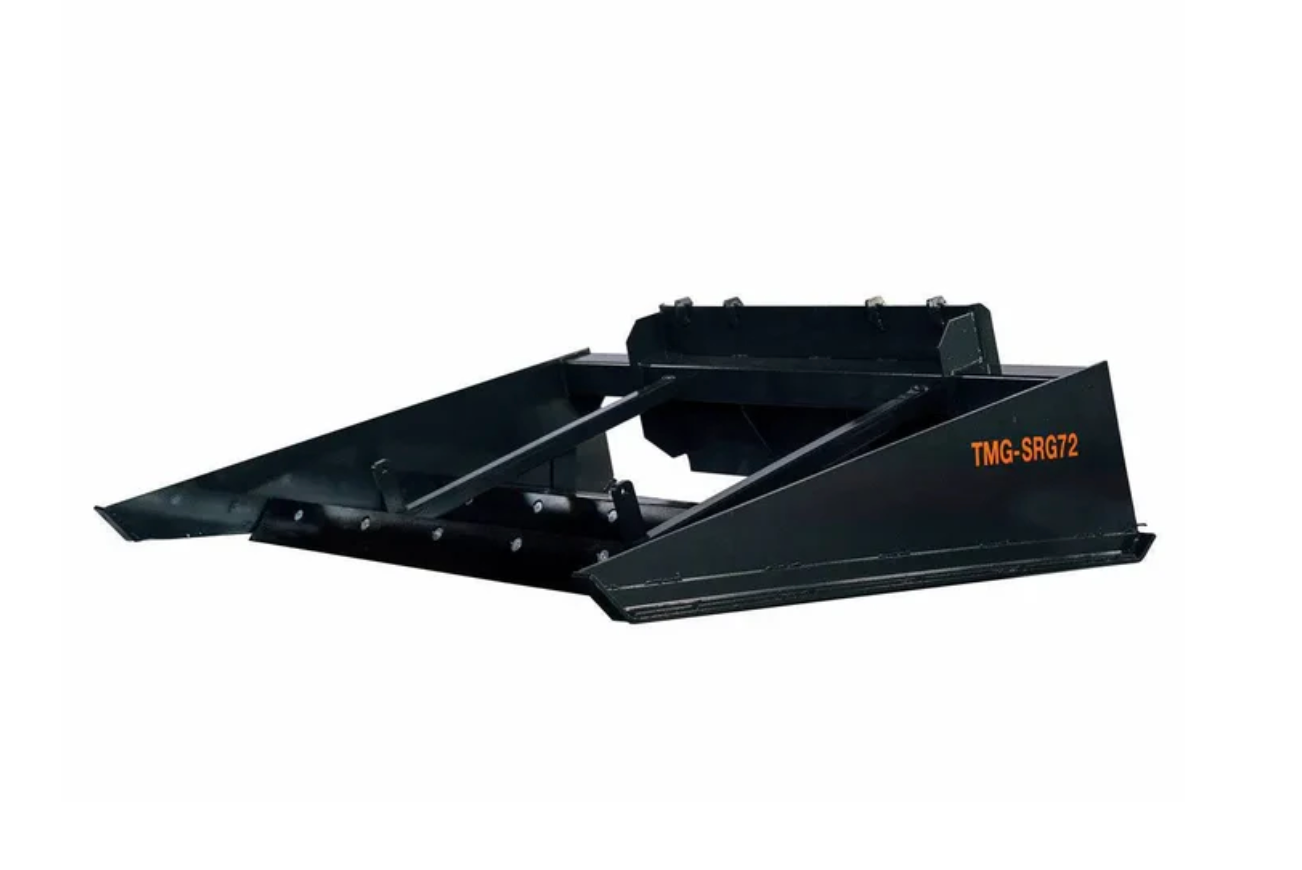
A skid steer road grader is an attachment designed to level and shape unpaved surfaces. It connects to a skid steer loader and uses adjustable blades to redistribute gravel and soil. The grader can cut high spots, fill low areas, and create a smooth driving surface.
· Maintenance of farm access roads and driveways
· Repair of erosion damage after rainfall
· Preparation of surfaces for transport and equipment movement
· Leveling of yard areas and storage sites
This equipment allows operators to perform grading tasks without relying on larger road construction machinery.
Efficient road maintenance supports agricultural productivity by ensuring consistent access for vehicles and machinery. Poor road conditions can delay transport and increase wear on equipment.
Safety is also improved when surfaces are properly graded. Smooth and stable roads reduce the risk of vehicle instability and accidents, especially when transporting heavy loads or operating in wet conditions.
Selecting a skid steer road grader requires understanding key operational factors:
· Compatibility with skid steer loader size and hydraulic capacity
· Working width relative to road dimensions
· Blade adjustability for different grading angles
· Material handling capacity for gravel and soil redistribution
These considerations help ensure that the attachment can perform effectively in specific farm environments.
Several factors influence grading results:
· Soil type and moisture content
· Condition and depth of existing road material
· Operator technique and travel speed
· Frequency of maintenance cycles
Regular maintenance and proper timing improve long term road quality and reduce the need for major repairs.
Safe operation of a skid steer road grader requires attention to both equipment handling and environmental conditions.
· Inspect attachment points and hydraulic connections before use
· Operate at controlled speeds to maintain stability
· Avoid grading on steep slopes without proper assessment
· Ensure clear visibility and safe distance from other workers
These practices help reduce accidents and maintain consistent grading results.
Skid steer road graders can be used with additional tools and attachments to improve performance:
· Scarifier teeth for breaking compacted surfaces
· Adjustable blades for fine grading control
· Hydraulic control systems for precision adjustments
· Level indicators for consistent surface alignment
A representative attachment configuration can be reviewed at the following reference: skid steer road grader example, commonly associated with TMG Industrial setups.
· Efficient maintenance using existing skid steer equipment
· Improved road surface quality and consistency
· Reduced need for external contractors
· Limited performance in extremely hard or rocky terrain
· Requires operator skill for optimal results
· May need multiple passes for heavily damaged surfaces
Australian farmers often use skid steer road graders to maintain access roads connecting fields, storage areas, and main transport routes. After heavy rainfall, these tools are used to restore surface conditions quickly, ensuring that vehicles can continue to operate without delay. This reduces downtime and supports efficient farm logistics.
Skid steer road graders provide a practical solution for maintaining agricultural infrastructure. Their ability to improve road conditions supports safety, efficiency, and cost control in farming operations.
Future developments are expected to include improved blade designs, enhanced hydraulic control systems, and integration with precision farming technologies. As agricultural operations continue to modernize, these attachments will remain important tools for maintaining reliable access and transport systems.