Officials tout cardiac arrest survival rates, $2.4M grant and expanded services during operations update
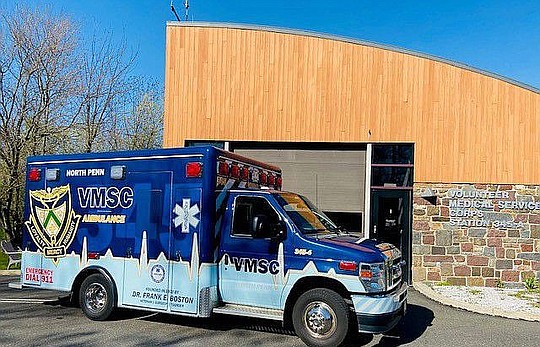
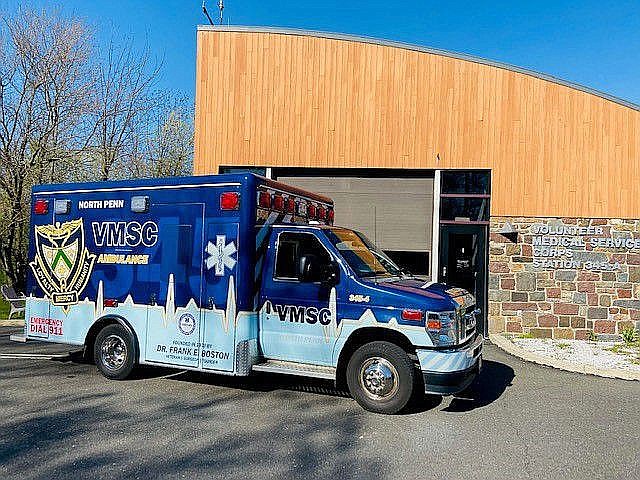
Montgomery Township officials received an in-depth look at emergency medical services Monday night, as VMSC EMS CEO Shane Wheeler outlined performance data, lifesaving capabilities and future initiatives during a presentation to the board of supervisors.
Wheeler said VMSC responded to 1,967 calls in the township last year, with about 76% resulting in patient transport, a rate consistent with national averages. He noted that common calls include general illness and falls, the latter of which he described as “an epidemic” among aging populations, adding that falls can often mark a critical turning point in a person’s health.
Response metrics in the township remain strong, with dispatch times averaging about 29 seconds and travel times typically under six minutes. Wheeler said those times rank among the best in the region, but emphasized a broader shift away from focusing solely on speed toward a “value-based care” model that prioritizes outcomes from the moment of injury through treatment and recovery.
That approach has already shown results locally. Wheeler told supervisors that seven township residents survived cardiac arrest last year, crediting coordinated efforts among EMS, police, fire personnel and bystanders performing CPR. He noted the township’s cardiac arrest survival rate is roughly double the statewide average, calling it a reflection of strong community response.
Among VMSC’s most advanced capabilities is the ability to administer whole blood transfusions in the field, a service available in less than 1% of EMS systems nationwide. Wheeler said the program has already saved lives, including two Montgomery Township residents who are alive today because of pre-hospital blood transfusions.
The presentation also highlighted a $2.4 million federal Safe Streets and Roads for All (SS4A) grant, which will fund six initiatives across the North Penn and Indian Valley regions. Those efforts include enhanced trauma training, new safety technology, expanded community health programs, and responder wellness initiatives. As part of that funding, VMSC will deploy four new four-wheel-drive ambulances to improve access during severe weather and challenging terrain, with plans to eventually upgrade the entire fleet.
Wheeler also detailed ongoing outreach beyond emergency response, including mobile health programs, partnerships with local organizations, and work with vulnerable populations such as the unhoused. In Chester City, where there is currently no hospital, VMSC has expanded services to include preventive care efforts, transportation assistance and community paramedicine programs.
On the workforce side, VMSC currently has 108 students enrolled in EMT and paramedic training programs across multiple campuses, while partnerships with Villanova University and Manor College are helping expand leadership development and degree pathways for EMS professionals. Wheeler said the agency is also placing increased focus on mental health resources and burnout prevention for first responders.
Supervisors praised the agency’s work, with several members sharing personal experiences and expressing appreciation for the level of care provided to township residents.
VMSC, which is now 99% career-staffed due to the increasing demands of training and certification, continues to evolve its model to meet growing needs, Wheeler said, emphasizing that the goal is not just faster response times, but better outcomes for patients across the community.