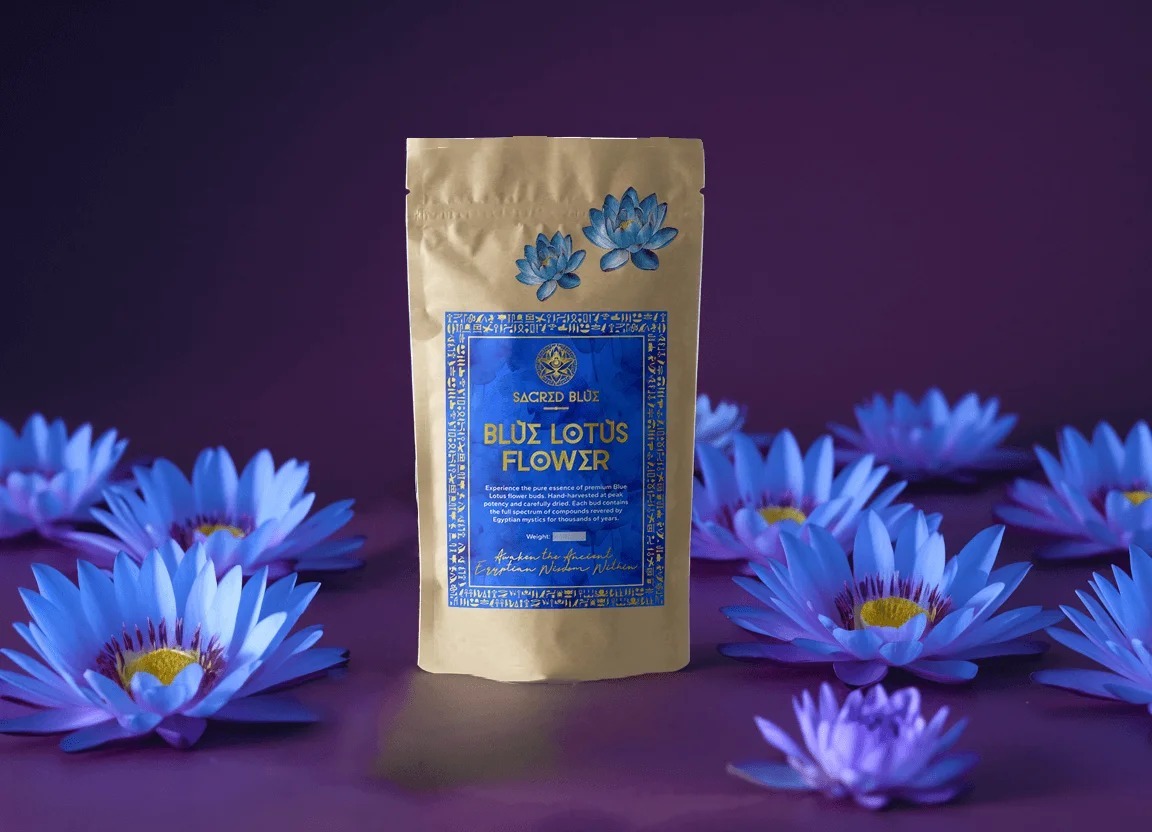
Herbal wellness is becoming a key part of daily life in the United States, especially for those seeking natural ways to relax and reset.
Blue lotus dried flowers are quickly gaining attention as a versatile botanical used for tea, calming rituals, and mindful living.
As more people explore plant-based options, Blue lotus dried flowers stand out for their unique balance of tradition and modern wellness appeal. From soothing teas to spiritual practices, they offer a gentle yet meaningful experience.
Blue lotus comes from the Nymphaea caerulea plant, historically used in ancient cultures for its calming and symbolic properties. Today, it is carefully harvested and dried to preserve its natural compounds.
The dried version is preferred because it maintains potency while offering flexibility. Users can easily prepare tea, infusions, or blends using Blue lotus dried flowers, making it accessible for everyday use.
One of the main reasons people choose Blue lotus dried flowers is their ability to support relaxation. The gentle effects make it ideal for reducing stress after a long day.
Many individuals use blue lotus tea as part of their nighttime routine. Its calming nature helps create a peaceful transition into sleep.
Blue lotus is known for mild mood-enhancing properties, helping users feel more balanced without strong side effects.
The most common use is tea preparation. Simply steep the dried petals in hot water for 5–10 minutes to enjoy a mild floral drink.
Blue lotus has long been associated with meditation and relaxation rituals. It can be used during quiet moments to enhance focus and calmness.
Some users combine Blue lotus dried flowers with other herbs to create personalized wellness blends tailored to their needs.
Quality matters when selecting blue lotus. Opt for products that are naturally sourced and properly dried to maintain their effectiveness.
Premium flowers usually have a rich color and a subtle floral scent, indicating freshness and potency.
Consumers are moving away from synthetic solutions and embracing plant-based wellness. Blue lotus fits perfectly into this shift.
Whether as tea or part of a relaxation ritual, Blue lotus dried flowers are simple to use and require minimal preparation.
Wellness communities and social platforms have helped spread awareness, making blue lotus more accessible than ever.
While dried flowers remain popular, some users prefer stronger forms for convenience and consistency. Extracts are designed to deliver more concentrated benefits in smaller amounts.
In particular, Blue lotus extract has become a go-to option for those who want a quicker and more potent experience. It eliminates the need for preparation while offering reliable effects. As demand grows, Blue lotus extract continues to expand its presence in the herbal market, appealing to both beginners and experienced users. Many people now combine traditional use with Blue lotus extract for a more customized wellness routine.
Blue lotus has successfully transitioned from ancient tradition to modern wellness essential. Its calming properties, ease of use, and versatility make it a valuable addition to daily routines.
Whether enjoyed as tea or used in rituals, Blue lotus dried flowers provide a gentle and natural way to support relaxation and mindfulness. At the same time, options like Blue lotus extract offer a convenient alternative for those seeking stronger and faster results. Together, these forms highlight the growing role of botanical solutions in the U.S. wellness landscape.
They are commonly used for herbal tea, relaxation, and mindfulness practices.
Steep a small amount of dried petals in hot water for 5–10 minutes.
Most users experience mild effects, but it’s best to start with small amounts.
Blue lotus extract is more concentrated, while dried flowers offer a more traditional and gradual experience.
Yes, beginners can start with tea made from Blue lotus dried flowers for a gentle introduction.