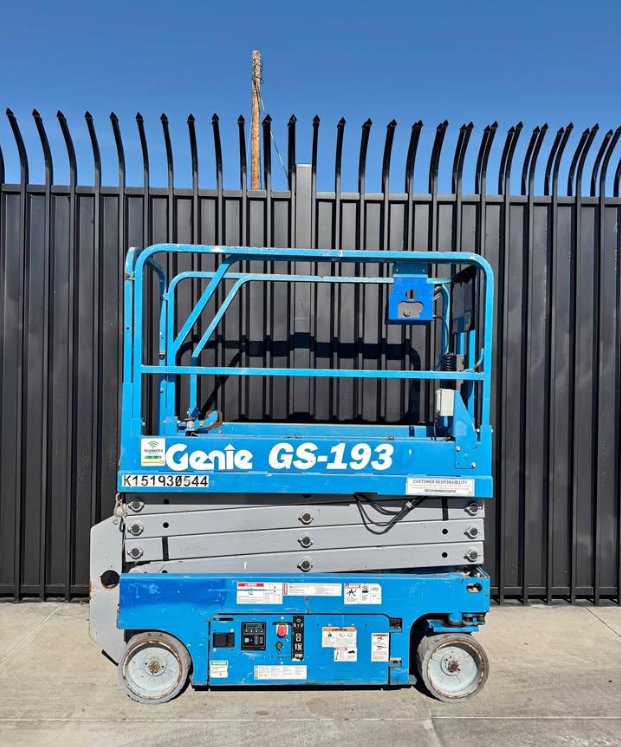
If you operate aerial work platforms, you already know that a Genie lift is one of the most reliable pieces of equipment on any job site. But reliability is not accidental. It is the direct result of consistent, thorough maintenance. Skipping inspections or waiting until something breaks is not just costly — it can be genuinely dangerous for operators working at height. The good news is that most major failures give warning signs long before they happen, and those warning signs show up in specific parts. Knowing which components to inspect, how often, and what to look for is the foundation of any solid maintenance program.
The Hydraulic System
The hydraulic system is the heart of any Genie lift. It powers the raising and lowering of the platform, controls the extension of the boom or scissors, and keeps everything stable under load. Over time, hydraulic seals degrade, hoses develop cracks or soft spots, and fittings can loosen from vibration. A slow-responding platform, jerky movement, or fluid pooling under the machine are all signs that something in the hydraulic system needs attention.
During every inspection, check hydraulic hoses for bulging, abrasion, or cracking along their entire length. Look at fittings for seepage, even minor weeping. Check the hydraulic fluid level and condition — fluid that looks milky or has a burnt smell indicates contamination or overheating. Cylinders should be inspected for scoring or pitting on their rods, which accelerates seal wear. The hydraulic filter should be replaced at the intervals specified in your model's service manual, typically every 250 to 500 hours of operation depending on the model.
Drive Motors and Wheel Components
Genie lifts are designed to move around job sites, and that means the drive motors and wheels take constant stress. Drive motors should be inspected for unusual noise during operation, excessive heat, and any sign of fluid around the motor housing. Wheel hubs should be checked for proper torque on lug nuts or bolts, and tires — whether solid or pneumatic — should be examined for wear, cuts, or in the case of pneumatic tires, proper inflation.
On scissor lifts, the drive components are especially important because uneven drive can cause the machine to drift during elevation. Any pulling to one side during travel is worth investigating before the next use. Bearings within the drive assembly should be checked periodically and lubricated according to manufacturer guidelines.
Electrical Components and Wiring
Modern Genie lifts rely heavily on electrical systems — from the control panels at the platform and ground level to the sensors, relays, and circuit boards that manage safety interlocks. Electrical problems are among the most frustrating to diagnose because a small issue, like a corroded connector or a frayed wire, can cause intermittent faults that are hard to reproduce consistently.
Inspect all visible wiring harnesses for chafing, particularly where they pass through metal panels or near moving parts. Check connectors for corrosion, especially on machines used outdoors or in humid environments. Test the emergency stop buttons at both the ground and platform controls. Verify that all indicator lights and fault code displays are functioning correctly. Batteries in electric models should be tested for capacity, not just voltage, as a battery can show a full charge but fail under load.
Scissor Arms and Pins
On scissor lifts specifically, the scissor arms and their connecting pins are critical structural components. These pins are under enormous stress during every lift cycle and are subject to wear over time. Worn or loose pins allow the scissors to develop play, which can cause instability at height.
During inspections, check every pin and bushing in the scissor assembly for visible wear, corrosion, or movement when the platform is loaded. Grease fittings should be serviced at regular intervals — neglecting lubrication here accelerates wear significantly. Cracked or bent scissor arms must be taken out of service immediately and replaced before the machine is used again.
Boom and Jib Sections
On telescopic and articulating boom lifts, the boom sections, knuckles, and jib arm are critical inspection points. Look for cracks in the boom structure, especially around welds. Check all pivot points and wear pads — these pads allow the boom sections to slide smoothly and wear down over time. Misalignment or excessive play in the boom indicates worn pads that need replacement.
The rotary coupling, which allows the turntable to spin while hydraulic fluid and electrical signals pass through, is another part that deserves close attention. Any leaking from the rotary joint needs to be addressed promptly.
Platform and Safety Components
The platform itself, including the guardrails, entry gate, and floor, should be inspected before every shift. Look for cracks in welds, bent guardrail sections, and gates that do not latch securely. Overload sensors and tilt alarms must be tested regularly to ensure they function correctly — these systems are the last line of defense against tip-overs.
The emergency lowering system, which allows the platform to be brought down if the main controls fail, should be tested periodically to confirm it operates as intended. This is a step many operators overlook until it is actually needed.
Building a Maintenance Schedule That Works
A practical maintenance schedule for a Genie lift typically has three layers: a pre-shift visual inspection by the operator, a weekly or monthly mechanical inspection by a qualified technician, and an annual or high-hour-interval overhaul. The pre-shift check covers obvious issues — fluid levels, tire condition, visible damage, and control function. The periodic inspection goes deeper into wear items, lubrication, and electrical health. The overhaul addresses everything on a comprehensive checklist aligned with the manufacturer's service manual.
When components do need replacement, sourcing the right parts matters. Using quality parts that meet or exceed OEM specifications keeps your equipment safe and extends its service life. This spare parts supplier offers a wide range of Genie lift parts, making it easier to find what you need without lengthy delays that take equipment out of service.
Staying ahead of maintenance is always less expensive than reacting to a breakdown. With the right inspection routine and access to reliable parts, a Genie lift can deliver years of safe, productive service on any job site.