Dr. Alexander Eastman has spent much of his career focused on one urgent problem: people dying before they reach the hospital because no one stopped the bleeding in time. That concern has shaped his work as a trauma surgeon, educator, police officer, and national leader in emergency response. It also explains why the Stop the Bleed campaign matters so much to him.
Stop the Bleed is built on a simple idea. In the first few minutes after a serious injury, the people already on the scene can make the most significant difference. They do not need to be doctors. They need training, basic tools, and the confidence to act. Dr. Eastman has helped push that message for years because he knows those first moments often decide whether someone lives or dies.
Eastman’s background helps explain why this mission feels so personal to him. He studied at the University of Texas at Austin, earned his medical degree from George Washington University in 2001, and then returned to Dallas for surgical training at UT Southwestern. He later chose trauma surgery and surgical critical care, where every shift brings patients facing the worst moments of their lives. At Parkland’s Rees-Jones Trauma Center, he has worked with some of the most serious cases in the region, including car crashes, shootings, stabbings, and industrial accidents. He also teaches at UT Southwestern and has been recognized for his work as an educator.
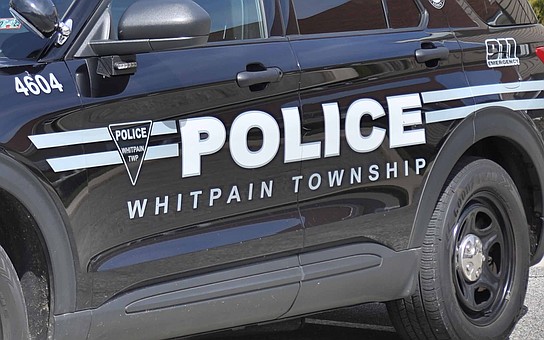
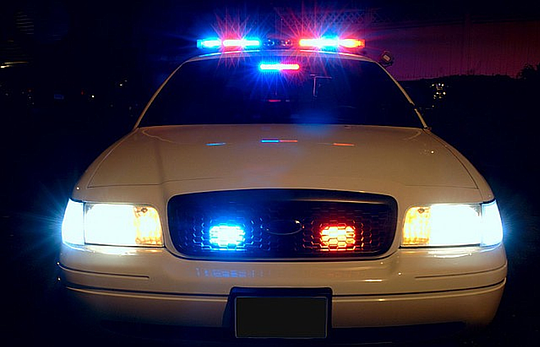
But Eastman’s work has never stayed inside the hospital. He also serves as a reserve lieutenant with the Dallas Police Department and helped build the Dallas Police Tactical Medic Program. That means he has seen trauma from both sides: at the scene of violence and later in the trauma bay. Because of that, he understands something many people miss. The most important care does not always begin in the operating room. Occasionally, it begins on a sidewalk, in a school hallway, or in the back of a police car.
That real-world view is what made him such a strong fit for Stop the Bleed. The national campaign launched in 2015 with help from major public safety and medical groups. Its message was clear: teach regular people how to stop severe bleeding by using direct pressure, packing a wound, or applying a tourniquet. Eastman was not chasing headlines during that launch. He worked behind the scenes to help make the effort practical, clear, and useful.
Today, his work reaches far beyond one hospital or one city. He serves as the senior medical officer for operations at the Department of Homeland Security’s Office of Health Security. He also serves on national trauma and firearm strategy groups, helping shape how the country thinks about emergency bleeding control and mass casualty response. His role is not just to study the problem. It is to turn research into action that people can actually use.
One of the biggest changes Eastman helped support is the shift in how people think about tourniquets. For years, many believed tourniquets were dangerous and should be avoided unless there was no other choice. Eastman and others helped move the field away from that outdated thinking. The newer message is much more direct: when severe bleeding is present, acting fast with a tourniquet can save a life. That change in thinking has made it easier to teach people what to do without burying them in medical jargon.
Eastman has also helped bring this message into everyday life. He leads training sessions for police officers, teachers, church groups, office workers, and other community members. He shows them how to tell the difference between a minor injury and life-threatening bleeding. He puts tourniquets in their hands and teaches them to use them until the skill feels real. He wants people to feel ready, not helpless.
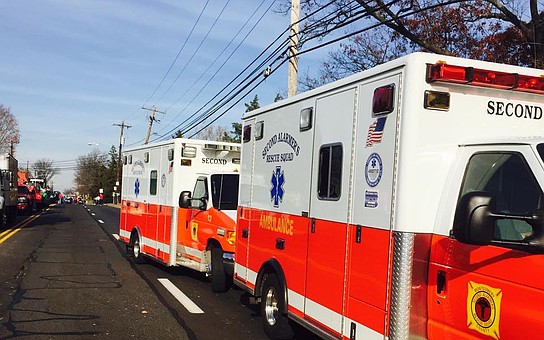
That is why he often uses the phrase "immediate responders" instead of "bystanders." A bystander sounds passive. An immediate responder is someone who steps in. That small language shift reflects a bigger belief. Eastman wants people to understand that they can be part of the chain of survival before EMS arrives.
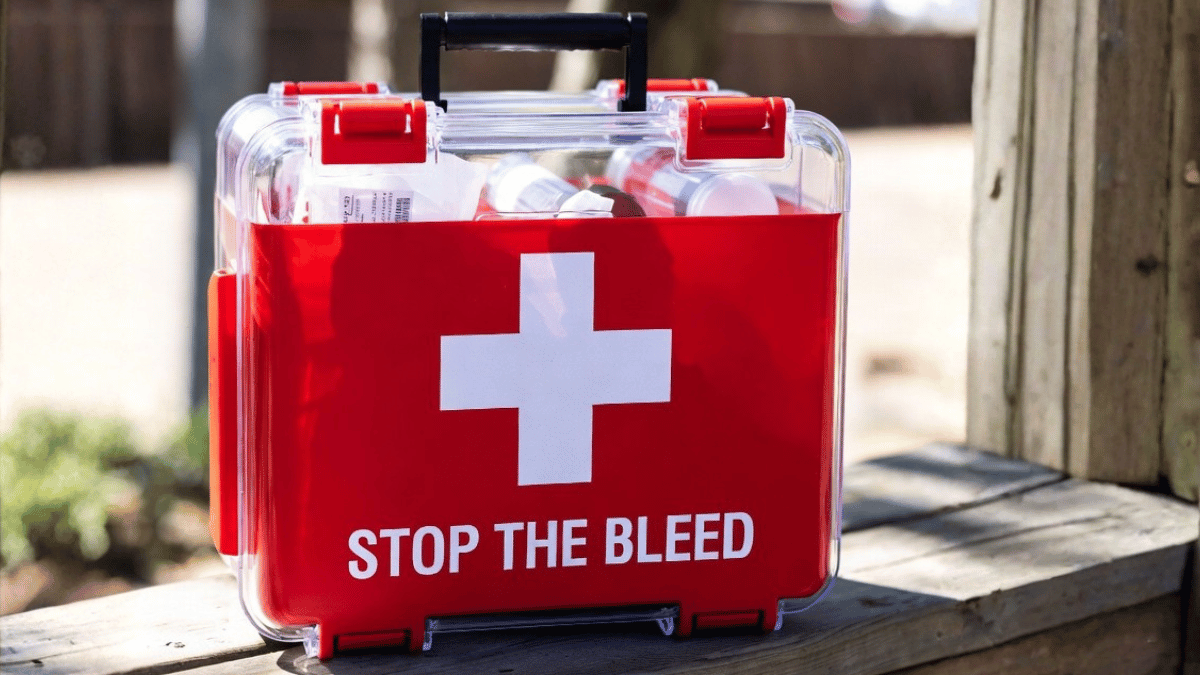
The impact of that mindset is already visible. Bleeding control kits now sit on walls in schools, airports, offices, and churches. Many workplaces include Stop the Bleed training alongside CPR. More trauma patients now arrive at hospitals with bleeding already controlled because someone nearby knew what to do. That is the kind of quiet progress Eastman has worked toward for years.
His message has never been complicated. In a crisis, the first few minutes matter most. The people already there matter most. You do not need to be a surgeon to save a life. You need training, the right tools, and the willingness to act.
That is what Dr. Alexander Eastman has spent his career trying to teach. He cannot be everywhere. But if more people know how to stop severe bleeding, more lives can be saved before professional help arrives. That is the real legacy of Stop the Bleed, and Eastman has helped make it part of everyday public safety in America.