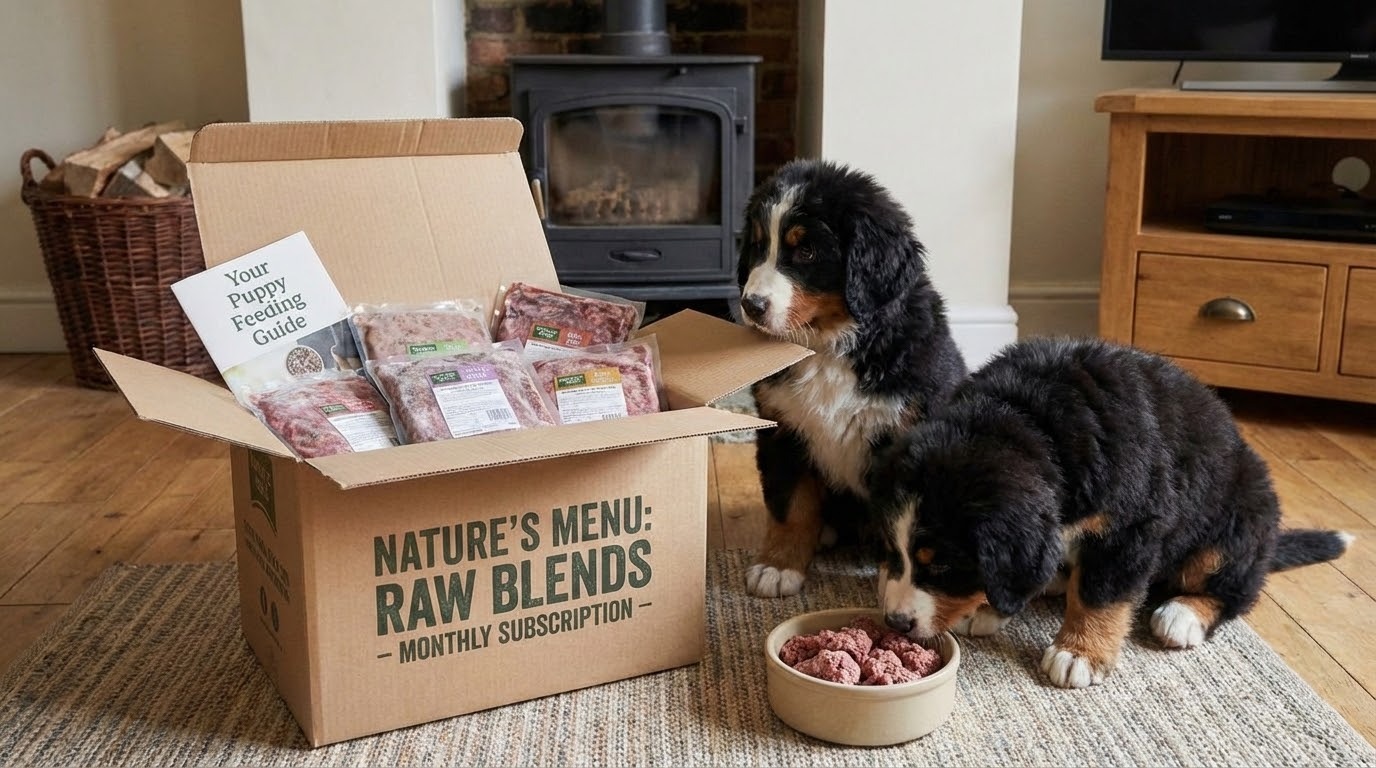
 Subscription ordering can reduce last-minute decisions and support a more manageable long-term feeding plan.
Raw feeding can feel straightforward at the start. The goal is clear, the motivation is strong, and the routine seems manageable on paper. Over time, though, many dog owners discover that the challenge is not choosing raw feeding. The challenge is keeping it organized. Reordering, storage, inventory checks, and weekly planning can add more friction than expected. For busy households, the real issue is often not whether raw feeding is worth doing. It is whether the process can be simple enough to maintain consistently.
Why feeding routines break down when the system depends on memory
Most feeding routines work better when they are predictable. Problems usually begin when too much of the process depends on remembering what needs to happen next. That can mean realizing too late that food is running low, making a rushed order, or adjusting meals at the last minute because the normal plan was interrupted.
Consistency matters because feeding decisions are supposed to be individualized and reviewed over time. The American Animal Hospital Association recommends nutritional assessment and ongoing review of body condition and feeding needs rather than relying on a one-size-fits-all approach. When the system around feeding is disorganized, it becomes harder to support that kind of steady routine.
This is where structure becomes useful. A simple system reduces the number of small decisions that can disrupt the routine, especially in homes where schedules are already full.
Why reordering friction matters more than it seems
Reordering dog food does not sound like a major issue until it starts happening at the wrong time. A missed order window or a poor estimate of how much food is left can create stress quickly. Instead of following a steady plan, owners end up reacting. That usually means more mental load and less predictability.
A subscription model can help reduce that friction because it turns replenishment into part of the routine instead of a separate task that competes for attention. For dog owners looking for a more organized approach, a raw dog food subscription can be a relevant resource to explore within that larger planning process.
The practical advantage is not just convenience for its own sake. It is the reduction of avoidable interruptions. When the ordering side of feeding becomes easier to manage, the rest of the routine often feels more sustainable too.
Why simplicity still has to support responsible feeding
Dog owners usually want convenience, but not at the expense of being thoughtful. A simpler system works best when it supports the same goals owners already care about: consistency, planning, and feeding decisions that fit the individual dog.
That matters even more with raw feeding because major veterinary and regulatory sources continue to emphasize safety concerns. AAHA states that feeding a raw diet increases the risk of bacterial and protozoal pathogen transmission, and FDA says raw pet food is more likely than processed pet food to contain harmful bacteria such as Salmonella and Listeria. FDA also says pet food must be safe, produced under sanitary conditions, and truthfully labeled.
In practical terms, that means a subscription is not a substitute for careful handling, storage, or monitoring. It is simply one way to make the logistics easier. Owners still need to evaluate portions, pay attention to body condition, and handle food appropriately. Simplicity helps most when it supports better habits rather than replacing them.
Why a system-driven approach is easier to sustain long term
The longer a feeding routine lasts, the more important repeatability becomes. Systems usually outperform good intentions when life gets busy. That is why simple processes matter so much. A routine that depends on extra effort every week is more likely to break down than one built around clear, repeatable steps.
For many households, the value of subscription ordering is that it lowers the operational burden. It reduces the number of last-minute choices and makes it easier to build a rhythm around ordering, receiving, storing, and serving food. This can be especially useful for professionals, parents, and multi-dog homes where even small weekly tasks can pile up.
The main benefit is continuity. When the process is easier to repeat, the feeding routine is easier to maintain without feeling like another project to manage.
A simpler system can make raw feeding more manageable
Raw feeding may reflect a deliberate choice, but long-term success often depends on whether the routine fits real life. If the process creates too many manual steps, consistency becomes harder to protect. That is why systems that simplify ordering and reduce weekly friction can make a meaningful difference.
A simpler approach does not change the need for informed feeding decisions. It does make the routine easier to organize. And for many dog owners, that is what helps a feeding plan stay practical over time.