
Snap-On Veneers Are Booming, But Buyers Should Check These Details First
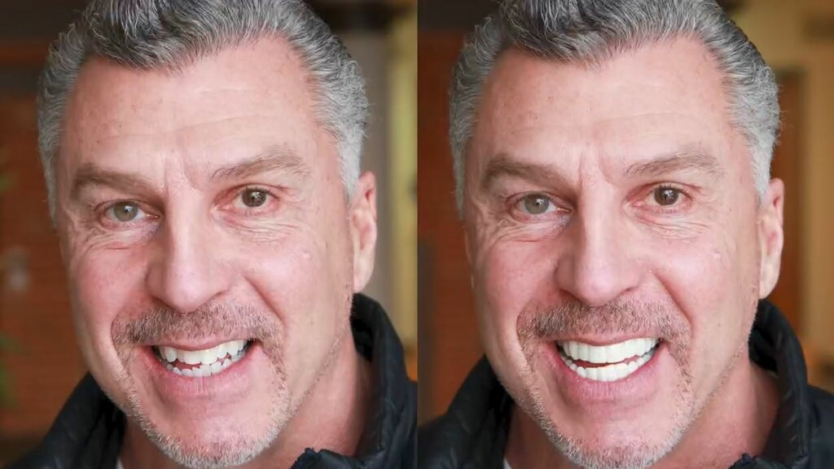
For many consumers, improving their smile has always felt expensive, complicated or out of reach. Traditional cosmetic dentistry can involve multiple appointments, permanent changes to the teeth and costs that quickly climb into the thousands.
That is one reason snap-on veneers, also known as removable veneers, clip-on veneers or pop-on veneers, have become more visible online. They offer a different promise: a cosmetic smile upgrade that can be ordered from home, made from dental impressions and worn over existing teeth without drilling, injections or permanent dental work.
But as interest grows, so does confusion.
Some online products are custom-made. Others are cheap generic fake teeth. Some providers offer warranties lasting years, while others only offer a short remake or defect window. Some companies are clear about limitations, while others lean heavily on before-and-after photos and bold smile makeover claims.
Before buying snap-on veneers online, consumers should understand what they are, what they are not, and which details matter most before spending money.
Why snap-on veneers are getting more attention
The biggest driver is cost.
According to VeneerVibe’s 2026 removable veneers market research, custom direct-to-consumer snap-on veneers commonly fall into a full-set price range of roughly $500 to $2,500, depending on provider, material, warranty, design options and whether the customer buys one arch or both arches.
That is far below many traditional cosmetic dentistry options. Porcelain veneers are often priced per tooth, with common ranges around $925 to $2,500 per tooth. For someone considering six to eight visible front teeth, the full cost can become significant very quickly.
This price gap helps explain why consumers are researching removable alternatives. Many are not necessarily looking for a perfect permanent dental restoration. They may want a better-looking smile for photos, work, dating, weddings, social events or everyday confidence.
For those buyers, snap-on veneers can look appealing. But lower cost does not automatically mean low risk.
Snap-on veneers are cosmetic, not dental treatment
The most important distinction is this: snap-on veneers are generally cosmetic appliances. They may improve the appearance of a smile, but they do not treat underlying dental problems.
They cannot cure gum disease. They cannot fix tooth decay. They cannot replace a proper dental diagnosis. They cannot make loose teeth stable. They cannot correct serious bite issues.
For someone with healthy enough teeth and gums who mainly wants to cover staining, gaps, small missing teeth or cosmetic imperfections, removable veneers may be useful. But if there is pain, infection, bleeding gums, untreated decay or loose teeth, a dentist should be involved first.
This is where consumers need to be careful with online advertising. A removable veneer can change how a smile looks, but it is not the same as implants, crowns, orthodontics or permanent veneers.
Custom-made and generic veneers are very different
One major source of confusion is that the phrase “snap-on veneers” is used for very different products.
At the cheapest end, there are generic boil-and-bite or one-size-style fake teeth. These are often sold at low prices and may be promoted as a quick cosmetic fix. But because they are not made from an exact impression of the customer’s mouth, they can look bulky, feel uncomfortable or fit poorly.
Custom snap-on veneers are different. These usually involve an at-home impression kit. The customer takes impressions of their teeth, sends them back, and the provider uses those impressions to create a removable appliance designed for that person’s mouth.
Custom does not guarantee perfection, but it usually gives the buyer a better chance of getting something wearable.
This is why consumers should carefully compare the process before ordering. A provider’s impression support, remake policy, warranty terms and production timeline can matter just as much as the headline price. Independent resources that help buyers compare snap-on veneer providers can be useful before making a decision.
Impression quality is one of the biggest success factors
One of the most overlooked parts of buying snap-on veneers is the impression stage.
If the impression is inaccurate, the final veneers may not fit properly. They may feel too tight, too loose, too bulky or uncomfortable around the gums. They may also affect speech more than expected.
This is one reason the best providers usually put effort into impression guidance. Some offer written instructions, video guidance, photo checks or support from the customer service team. Some may include extra putty or allow remakes if impressions are not usable.
VeneerVibe’s market research found that typical custom production times are often around 3 to 5 weeks after approved impressions. That phrase is important. The clock usually starts after the provider accepts the impressions, not necessarily the day the customer places an order.
For consumers buying veneers for an upcoming wedding, holiday, reunion, photoshoot or interview, this matters. If impressions need to be retaken, the timeline can stretch.
Warranty terms vary more than buyers expect
Another important finding from the removable veneers market is how much warranty coverage varies.
Across major providers, warranty windows can range from as little as 14 days to as long as 3 years, depending on the company and the product tier. But the length of the warranty is only part of the story.
The real question is what the warranty actually covers.
Some warranties focus on manufacturing defects. Others may cover cracks, staining or fit issues under specific conditions. Some providers allow a limited number of remakes. Some exclude accidental damage, loss, misuse, bite damage, grinding, staining from certain foods or appearance dissatisfaction if the appliance technically fits.
Consumers should not assume that a longer warranty means every problem is covered.
Before buying, they should check:
What happens if the veneers do not fit?
Is a remake included?
How quickly must a problem be reported?
Are accidental cracks covered?
Is loss covered?
Are shade complaints covered?
Does the policy cover both arches?
What happens if the customer’s teeth shift after impressions are taken?
Can the order be cancelled once production begins?
Because snap-on veneers are custom-made, refund policies can be stricter than with ordinary online products. Once a lab begins production, the buyer may have limited options.
The cheapest option may not be the best value
Many consumers start by looking for the lowest price. That is understandable, especially when comparing removable veneers with more expensive dental procedures.
But the cheapest product can become poor value if it is not wearable.
A low-cost product that looks fake, feels painful, affects speech badly or cannot be used in public is not really a bargain. The better question is not “What is the cheapest?” It is “Which option gives me the best chance of getting a realistic, comfortable result?”
Good comparison points include:
Whether the veneers are custom-made
How the impressions are taken
Whether support is available
Whether remakes are included
How natural the shade options look
How thick or bulky the product may feel
Whether the company clearly explains limitations
What real customer photos look like
How the warranty works
Whether the provider has a clear refund policy
In a market where products can range from low-cost novelty teeth to premium custom removable veneers, consumers need to know which category they are actually buying.
Everyday use is not always as simple as the ads suggest
Online ads often focus on the transformation moment: the customer puts the veneers in and instantly has a brighter, straighter-looking smile.
That moment can be powerful, but everyday use involves more details.
Speech may feel different at first. This is common with removable dental appliances because they add material around the teeth. Some people adjust quickly, while others need practice.
Eating guidance also varies by provider. Some companies say customers can eat soft foods while wearing the veneers. Others recommend removing them before meals. Hard, sticky, chewy or very hot foods may not be suitable, even with higher-quality products.
Cleaning is also essential. Since the veneers sit over natural teeth, both the teeth and the appliance need to be kept clean. Poor cleaning habits can trap food particles, create odor, irritate gums or contribute to dental issues.
Consumers should look for clear care instructions before purchasing. If a provider does not explain how to clean, store and use the veneers safely, that is a warning sign.
Snap-on veneers are not right for everyone
One of the more responsible messages consumers should hear is that snap-on veneers are not suitable for every mouth.
They may not be appropriate for people with active gum disease, untreated decay, severe tooth mobility, major bite issues or certain patterns of missing teeth. People who grind or clench their teeth may also face a higher risk of damaging removable appliances.
A responsible provider should be clear about suitability. In some cases, a company may reject an order if the impressions suggest the product is unlikely to work properly.
That can be frustrating for a buyer, but it is better than receiving a product that is unsafe, uncomfortable or unusable.
For anyone unsure about their dental health, a checkup before ordering is a sensible step.
Why consumers are buying them anyway
Despite the limitations, snap-on veneers continue to attract interest because they solve a real emotional problem.
Many people feel self-conscious about their teeth. They avoid smiling in photos. They cover their mouth when laughing. They feel nervous about dating, interviews, weddings, reunions or social situations.
For those consumers, a removable cosmetic option can feel like a practical middle ground. It may not be permanent dentistry, but it can offer visible improvement without the same cost, invasiveness or commitment.
That is why the category should not be dismissed as purely cosmetic hype. For the right person, with realistic expectations and a reputable provider, snap-on veneers can offer a meaningful confidence boost.
The key is careful buying.
A simple checklist before ordering
Before purchasing snap-on veneers online, consumers should ask:
Are these custom-made or generic?
Do I need one arch or both arches?
How are impressions taken?
What happens if my impressions fail?
How long does production take after approval?
Can I choose a natural-looking shade?
What does the warranty actually cover?
Are remakes included?
Can I get a refund after production starts?
Can I eat while wearing them?
How should they be cleaned?
What dental conditions would make me unsuitable?
Does the provider clearly explain limitations?
If a company avoids these questions or relies only on perfect before-and-after images, consumers should slow down.
Final thoughts
Snap-on veneers are becoming popular because they sit in a gap between cheap fake teeth and expensive cosmetic dentistry. They are more accessible than many permanent procedures and can be ordered from home, but they are still custom dental-style products that require careful comparison.
The best buyers are realistic buyers. They understand that snap-on veneers are cosmetic. They read the warranty. They follow the impression instructions. They check the refund policy. They compare providers before choosing.
For some people, removable veneers may provide the confidence boost they have been looking for. For others, dental treatment or a different cosmetic option may be more appropriate.
The smartest move is not to rush the purchase. A better smile may be the goal, but good research is what helps consumers avoid disappointment.
