Most outbuilding plans start with the basics: how much room is needed, where the structure will sit, and how it will be used once it’s built.
Those are the right questions to ask, but the roof structure should be part of the conversation from the start. Pole barn trusses can affect span, clearance, layout, and the building's usefulness over time. For property owners planning a storage building, workshop, equipment shelter, or multipurpose outbuilding, understanding that role upfront can help avoid limitations that are difficult and costly to fix later.
Before comparing materials or roof designs, clarify what the outbuilding needs to do. A structure built for lawn equipment and seasonal storage will have different needs than one meant for trailers, livestock supplies, woodworking tools, or a small business workspace.
It also helps to think past the first year. Many outbuildings start with one purpose, then gradually take on more. Extra vehicle space turns into bulk storage. A corner becomes a workbench. Shelving gets added. New equipment needs a place to go.
The clearer the plan is at the beginning, the easier it becomes to choose the right size, door placement, interior height, and structural layout.
In the North Penn area of Montgomery County, Pennsylvania, an outbuilding often has to earn its footprint. Lots may be smaller, access may be tighter, and one structure may need to handle several uses at once, from household storage and lawn equipment to hobby space or a detached workshop.
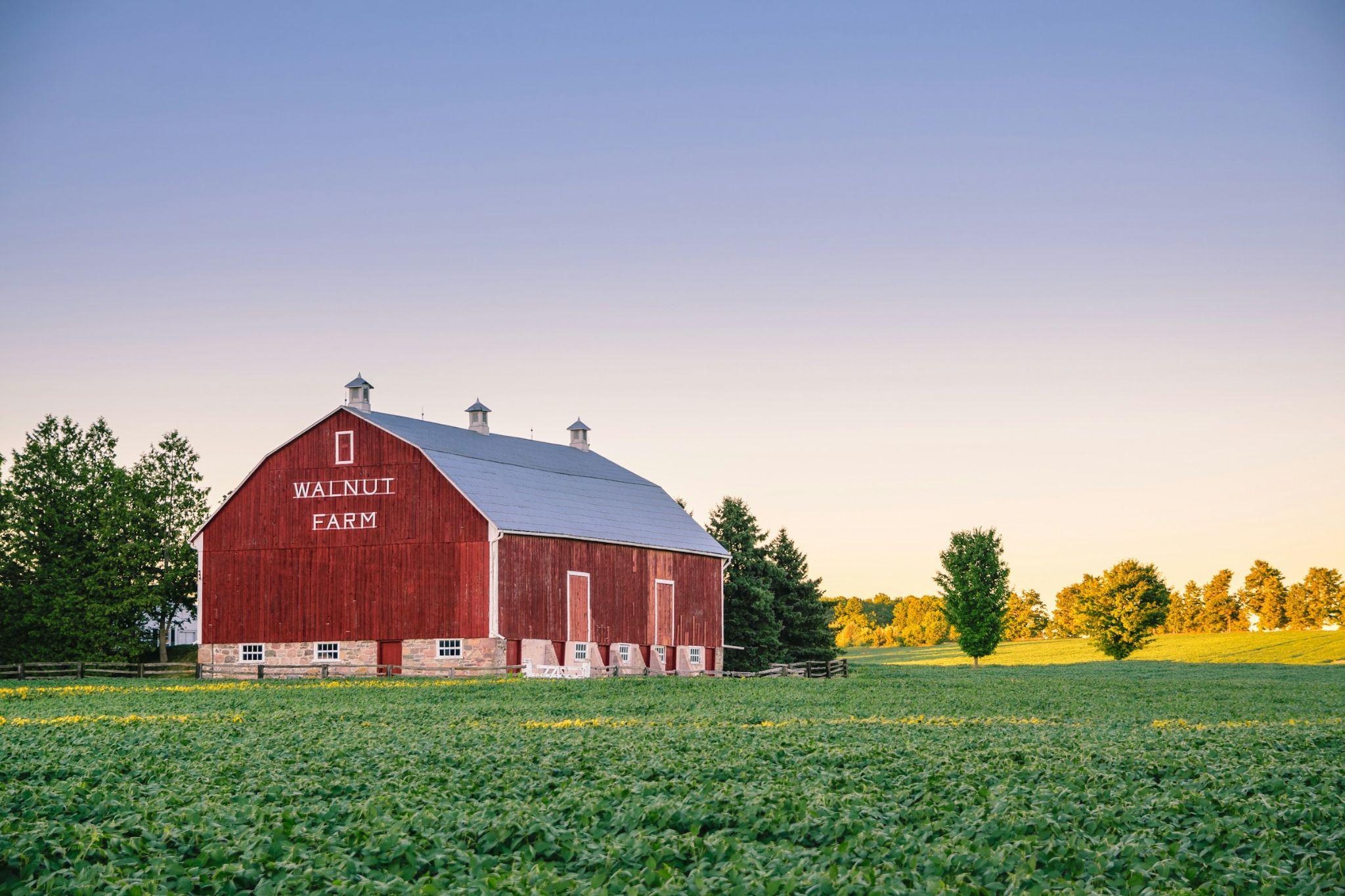
Needs can look different in states like Ohio and Kentucky, where larger lots, agricultural use, equipment storage, and mixed residential-rural properties are more common. In those settings, pole barns are often designed with wider access, open interiors, and enough clearance to handle changing storage or work needs over time.
Tennessee offers a useful comparison because many properties there fall somewhere between residential and agricultural use. With that kind of regional building context in mind, companies such as Buffalo River Truss offer a practical reference point for how pole barn trusses and steel truss systems relate to span, clearance, and long-term outbuilding use.
The main takeaway is that outbuilding plans should reflect where the structure will be used, not just what it will store. Climate, lot size, access, and property type can all influence which truss setup makes the most practical sense.
Pole barn trusses support the roof and define the open space below. In many outbuildings, the structure can span wider areas without relying on as many interior supports, making the building easier to use for storage, equipment, vehicles, or work areas.
They can also affect the roof’s pitch, overhead clearance, and the building's overall flexibility once it is finished. That flexibility matters because an outbuilding often changes with the property. A structure that starts as basic storage might later need room for a trailer, shelving, tools, or a more permanent workspace.
Looking at trusses early keeps those future uses in the plan, rather than treating the roof system as a detail to figure out later.
Outbuildings have to handle more than everyday storage. Their roofs take on wind, rain, snow, and changing seasonal conditions, all of which can affect how the structure performs over time.
Roof pitch, span, material choice, bracing, and load expectations should be considered early, especially in areas with winter weather. Snow and ice buildup can add seasonal weight, so the roof system needs to be designed for the conditions the structure is likely to encounter.
That does not mean every outbuilding needs the same roof system. A small backyard structure, a wide equipment shelter, and a workshop with overhead storage may each have different priorities. The point is to match the structure to its expected use and environment.
The space inside an outbuilding depends on more than square footage. Span and clearance can determine whether the interior feels open, cramped, or easy to adapt as needs change.
A wider span can make it easier to move vehicles, trailers, or equipment without having to work around support posts. Better clearance can help with taller shelving, overhead storage, lighting, or large doors. These details matter in workshops as well, where open floor space can make the difference between a building that holds things and one that supports real work.
Planning for flexibility early can keep the structure from feeling limited later. An outbuilding is often a long-term investment, so it makes sense to consider what the space may need in five or ten years.
Pole barn trusses should work with the rest of the building plan. Door height, door width, access points, ventilation, lighting, insulation, and drainage can all affect how the outbuilding performs in use.
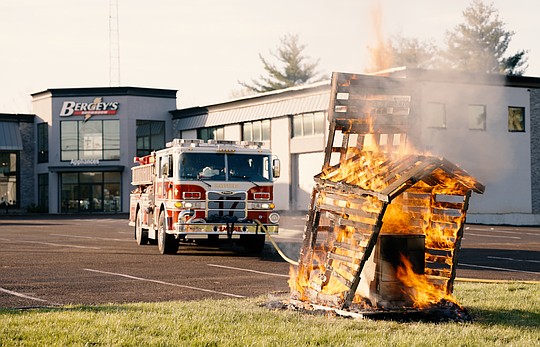
A building meant for equipment storage may need wider doors and more open floor space. A workshop may need better lighting, ventilation, and clearance around work areas. The same planning mindset applies to larger community projects, where a structure’s purpose has to be clear before the project moves forward. In Hatfield, officials reviewed a planned pole barn for additional storage space as part of a fire company project, giving readers a local example of how storage needs can turn into a more formal building plan.
Thinking about these details together helps prevent conflicts later. The roof system, wall layout, doors, and interior plan should support the same purpose, so the finished building feels practical rather than pieced together.
A well-planned outbuilding starts with more than a footprint and a materials list. The way pole barn trusses fit into the plan can affect how the structure handles space, clearance, access, and future use.
Thinking through those details early helps property owners avoid a building that works on paper but feels limited once it is full. When the purpose, location, roof structure, and overall layout all support the same goal, the finished outbuilding is more likely to stay useful for years.