Pennsylvania has 1.2 million small businesses, making up 99.6 percent of all businesses in the state, according to the SBA's 2025 Pennsylvania Small Business Profile. That's a lot of owners making daily decisions about rent, staffing, inventory, tools, paperwork and the one thing every business seems to run out of sooner than expected: space. For many owners, storage units for business inventory offer a simple way to reclaim breathing room without taking on a bigger lease.
If you run a small business, you know how quickly useful space can become crowded. Inventory arrives before old stock has moved. Equipment piles up between jobs. Documents, supplies, signs, boxes, samples, seasonal displays and spare materials find their way into corners that were supposed to stay clear.
The obvious answer can look like a bigger office, storefront or workshop. A larger commercial lease, however, can commit you to space you may not need year-round. That's why self storage for small business can be a practical middle step for Pennsylvania owners who want more room without making a bigger real estate decision too early.
The cost pressure is real, too. In the Philadelphia Fed's 2024 Pennsylvania Small Business Credit Survey brief, 78 percent of Pennsylvania small employer firms reported higher costs of goods, services and/or wages, while 46 percent cited paying operating expenses as a financial challenge. When every fixed cost deserves a second look, using your current space better can be a smart place to begin.
Retailers often feel the space squeeze first because inventory has a rhythm of its own. Holiday merchandise, summer items, back-to-school stock, extra packaging, display racks, signage and promotional materials can all arrive before there's a comfortable place to put them.
Pennsylvania had 100,634 small retail trade businesses in the SBA's 2025 profile, and small employers made up 97.8 percent of retail employers in the state. This is not a rare operational headache. For local shops, boutiques, specialty retailers and small neighbourhood stores, space planning is part of staying organized.
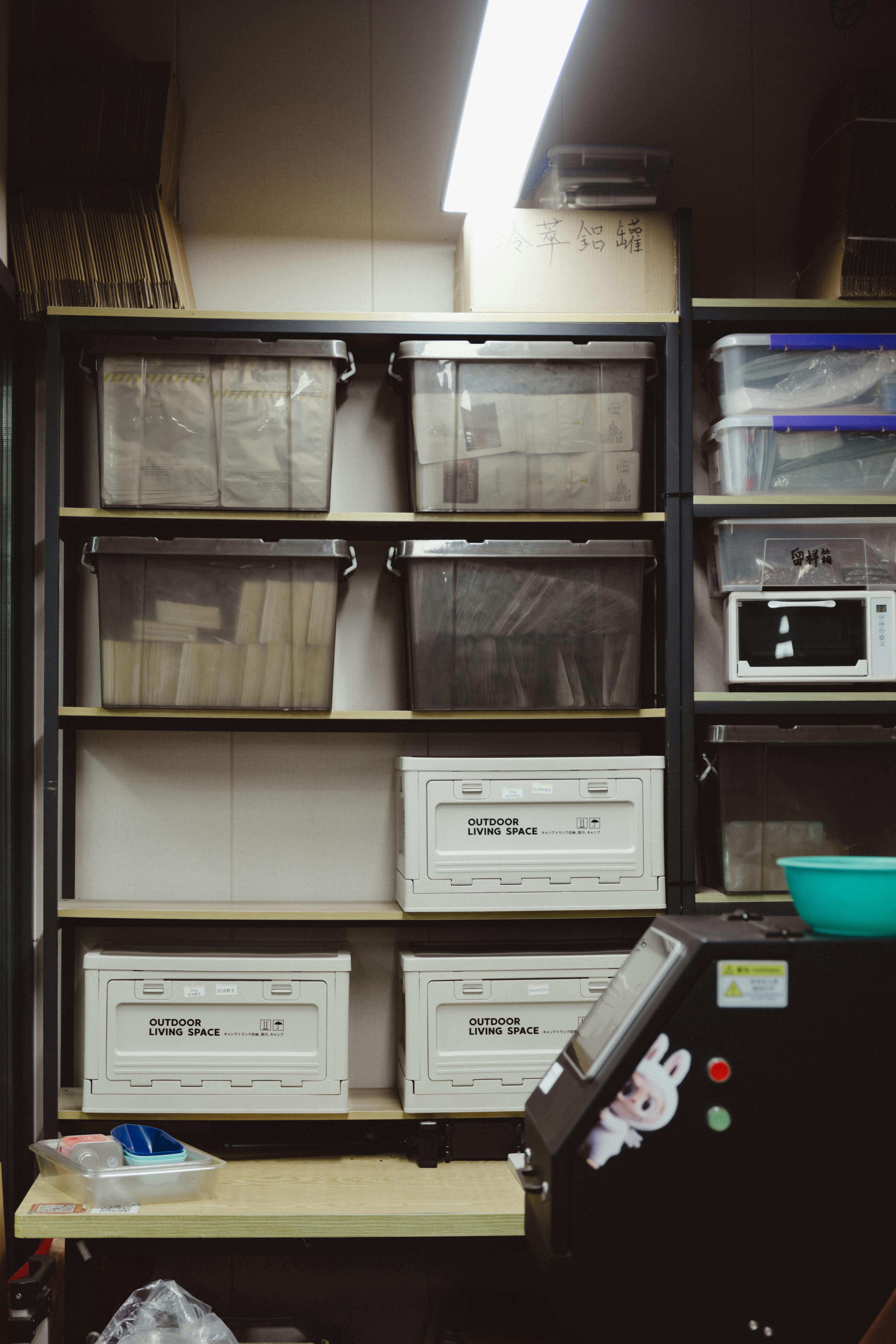
A 10x10 unit can hold shelving, boxes and display materials for a small operation. Used well, business storage units give you a practical place for seasonal overflow, so the sales floor and back room can stay focused on what's needed now.
That distinction is important. A store's best square footage is the space that helps customers shop, staff move and products sell. If that space is filled with next season's boxes or display pieces that won't be used for months, you may be paying commercial rent for storage rather than retail activity.
Storage also helps owners think more clearly about what belongs inside the store. Current inventory, daily supplies and customer-facing displays stay close. Off-season materials, backup fixtures and boxed overflow can live elsewhere until they're needed again.
Contractors face a different version of the same problem. Instead of sweaters, candles, signs or packaged goods, the issue is ladders, power tools, bulk supplies, job materials, protective gear and the odds and ends that collect between projects.
The SBA reported 125,359 small construction businesses in Pennsylvania, with small employers accounting for 99.4 percent of construction employers in the state. That makes contractors a natural fit for any conversation about storage and overhead because their work depends on both mobility and readiness.
A 10x20 unit can hold ladders, power tools and bulk supplies. For a contractor, flexible storage for contractors can mean fewer items crowding a vehicle, garage, office or shop area when they are not tied to an active job.
There's another benefit that's easy to overlook: separation. Active job materials can stay with the crew or vehicle, while tools and supplies for upcoming or paused projects can be kept in one organized place. That keeps the business from feeling like it is operating out of every available corner.
Project pipelines can be unpredictable, which is where month-to-month storage for businesses can be useful. When jobs overlap, slow down or change timing, storage units for equipment give a contractor room to adjust without committing to a larger base of operations before the workload supports it.
For many trades, being organized is part of being prepared. If the right tool is easy to find, the next day starts better.
Service businesses may not always think of themselves as space-heavy, but supplies and documents can take over just as easily as inventory or equipment. Client files, office materials, branded items, cleaning supplies, spare devices, samples, archived paperwork, training materials and event items all need somewhere to go.
Pennsylvania's service economy gives this section a wide reach. The SBA's 2025 profile listed 157,631 small professional, scientific and technical services businesses and 118,108 small other-services businesses in the state. That includes many owners whose main work happens through appointments, client service, field visits, desk work or scheduled jobs.
For these owners, the issue is often slow-moving. It's the spare room that gradually becomes unusable. The office closet that stops functioning as a closet. The reception area that starts collecting boxes. The worktable that can't be used because old documents and extra supplies never left.
The Philadelphia Fed's Pennsylvania survey found that 55 percent of small employer firms reported poor or fair financial conditions for 2023, while 49 percent cited uneven cash flow. That kind of environment encourages careful choices. If you can make the space you already pay for work harder, it may be worth considering before you sign for more.
Self storage for small business can help service providers sort daily-use items from occasional-use items. Supplies needed every week should stay close. Records, spare materials and less frequent items can move out of the way, while still being accessible when the business needs them.
The useful question is direct: should your paid workspace support the work you do every day, or hold things you only touch once in a while?
Storage works best when it supports a clear decision, not when it becomes a place to avoid decisions. For retailers, business storage units can make seasonal inventory easier to manage. For contractors, storage units for equipment can keep tools and materials ready between jobs. For service providers, flexible storage for contractors and office-based teams alike can separate active work from supplies and documents that don't need to sit in the middle of the day.
The bigger idea is overhead control. Cutting overhead does not always mean cutting something essential. Sometimes it means looking at the space you already have and asking whether it is being used for the right job.
Pennsylvania's small businesses employ 2.5 million people, equal to 45.2 percent of the state's employees, according to the SBA's 2025 profile. Those businesses deserve practical options that match how they really operate: busy seasons, uneven schedules, changing stock levels, project gaps and paperwork that never seems to stop arriving. Month-to-month storage for businesses fits that reality because it flexes with the calendar instead of locking owners into a fixed footprint.
Before you take on a larger lease, walk through your business and notice what is using space without helping the day's work get done. If your current space could work better with less clutter, why pay year-round for more room than you need?