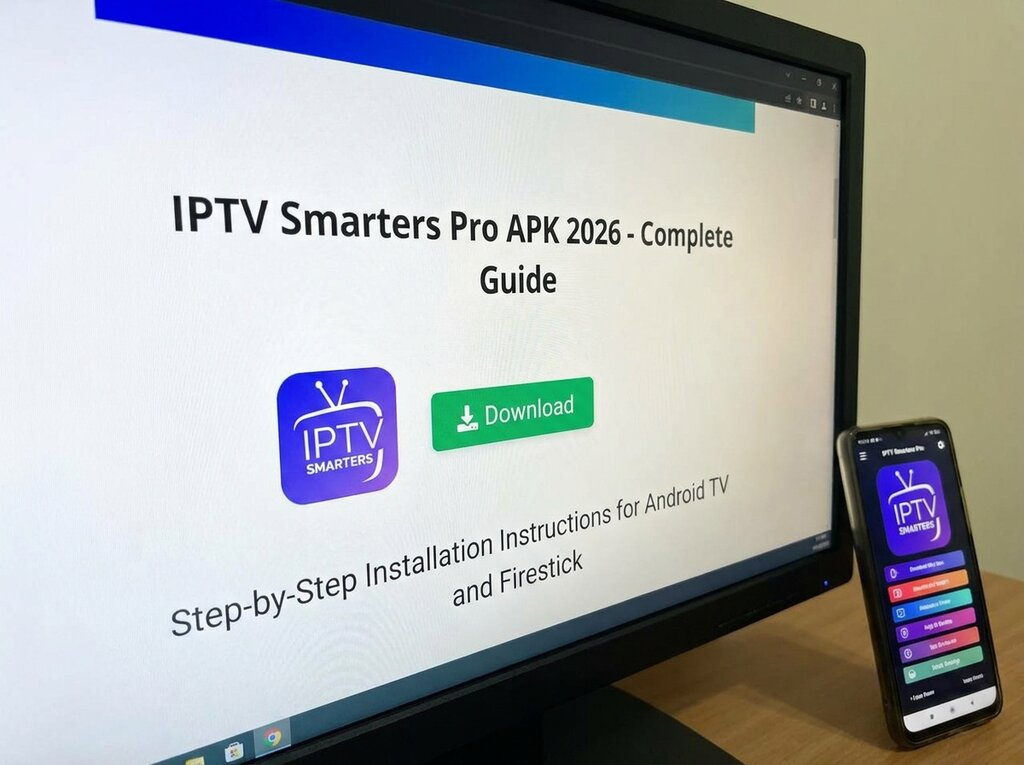
The way people watch television has changed dramatically over the last decade. Cable subscriptions are declining across the United States, while streaming services and internet-based television continue to gain ground. One trend that has accelerated overseas — particularly across Europe — is the move toward IPTV, or Internet Protocol Television. For American viewers considering their next step beyond traditional cable, looking at how European households consume TV content offers some useful lessons.
Unlike traditional cable or satellite, iptv delivers television programming through a standard internet connection. Instead of relying on radio waves or coaxial cables, channels are streamed directly to a smart TV, set-top box, smartphone, or computer. The technology allows for on-demand content, live channels, time-shifted viewing, and interactive features all in one platform. For viewers used to flipping between Netflix, Hulu, and a cable box, IPTV consolidates much of that experience into a single interface.
Several factors helped IPTV catch on more quickly in countries like the Netherlands, Germany, and the United Kingdom. Fiber and high-speed internet infrastructure rolled out across much of Western Europe earlier and more uniformly than in many parts of the United States. Households there often have access to gigabit speeds at relatively low cost, making the bandwidth required for high-definition or 4K streaming readily available.
There is also a cultural element. European viewers consume content from neighboring countries — a Dutch household might want German sports coverage, French films, and British documentaries in the same week. Traditional cable packages rarely accommodate that mix, but iptv nederland services and similar providers across the continent are built around it.
The U.S. streaming landscape has become fragmented. Households now juggle subscriptions to Netflix, Disney+, Max, Hulu, Paramount+, Peacock, Apple TV+, and several sports-specific apps. The combined monthly cost can rival, or exceed, what a basic cable package once cost. For viewers who watch live sports, news, and international programming, the gaps between services become especially noticeable.
This is where IPTV's all-in-one model has appeal. By bundling live channels, on-demand libraries, and international programming through a single subscription, it addresses a frustration many cord-cutters know well.
Anyone exploring IPTV should approach it the way they would any subscription. Look for a clear channel lineup, a trial period, multi-device support, and responsive customer service. Confirm compatibility with the hardware already in the home — most modern smart TVs, Amazon Fire devices, and Android boxes work without extra equipment. Read user reviews and compare pricing structures, since promotional rates often differ from renewal pricing. Picture quality and stream stability also matter; a solid provider will deliver HD or 4K with minimal buffering during peak hours.
Television is no longer about the channel guide. It is about flexibility, choice, and getting the right content on whatever screen happens to be closest. Whether the next chapter for American viewers looks more like the European IPTV model or something entirely homegrown, one thing is clear: the era of paying for hundreds of channels nobody watches is winding down.