After spending a long winter indoors in Pennsylvania, you must be eager to go out and check your lawn to prepare for spring fun. While lawn care is indeed a responsibility, starting too early can do more harm than good to your yard. If you want your lawn to once again become lush and fresh, it's important to wait for the right time. When nutrients are delivered in appropriate amounts, the results are usually positive. Aiming for heavy growth at this time is not wise, as grass is most vulnerable then. You can fertilize it, but only carefully.
Some homeowners hire professional agencies like JHL Turf Pros for this task. Whether you do it yourself or call the experts, you should know what can nourish or destroy your lawn’s health. Here are some insights into this.
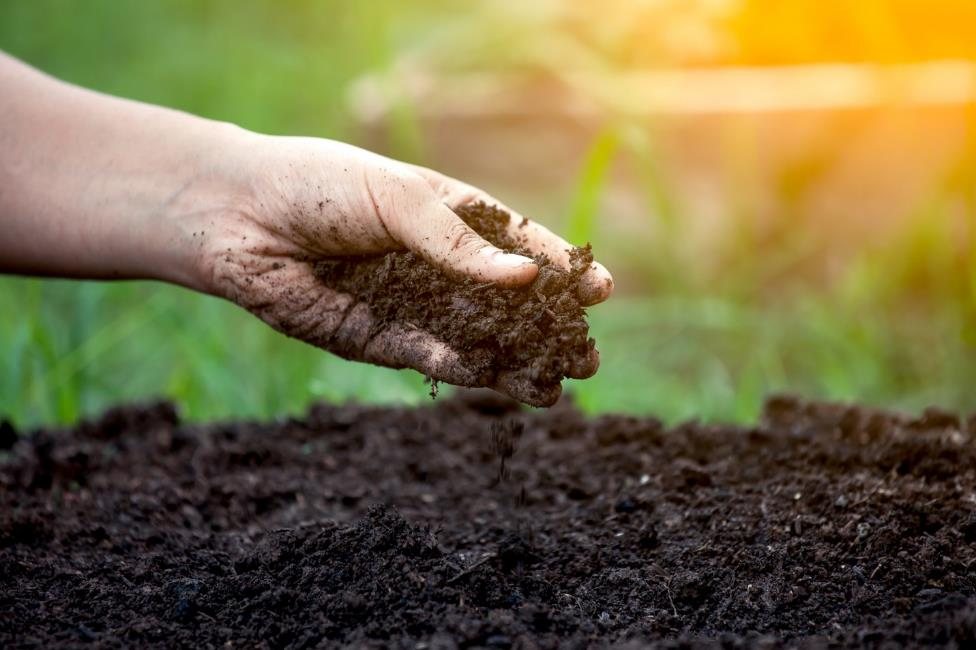
Fertilizing a lawn in spring is important to keep it healthy and green throughout the season. However, choosing the right time and amount of fertilizer is crucial. Generally, it is best to wait until mid to late April, when the soil begins to warm. The ideal minimum soil temperature is around 55°F (13°C). In Pennsylvania, soil temperatures typically start to rise in April. In some cooler areas, it may not reach this level until early May. Experts often check soil temperature before applying fertilizer; if you plan to do it yourself, using a soil thermometer is recommended. When the soil is sufficiently warm, the grassroots can easily absorb nutrients. Fertilizing too early in cold, wet soil can result in poor nutrient uptake and may encourage weed seeds to germinate.
When fertilizing in late April or early May, it is better to use a slow-release nitrogen fertilizer rather than a quick-release type. Only about 50–75% of the recommended amount should be applied. Some homeowners add a full bag of fertilizer, hoping for faster top growth, but this can weaken roots. While the lawn may look lush in May, the real effects of over-fertilization often appear during summer. Thin or patchy areas may benefit from a lighter follow-up application in late May or early June. It can improve grass color and density. If your lawn is already healthy and dense, this additional fertilization is usually unnecessary.
Fertilization should be avoided in mid-June and during the hot summer months. High temperatures combined with high-nitrogen fertilizers can stress grass. The effects can manifest as brown patches, fungal diseases, or heat damage.
Maintaining a lawn requires regular attention, and fertilization is just one part of it. You need to monitor soil quality and temperature and select the appropriate fertilizer. If you hire local lawn care professionals, you can enjoy a beautiful lawn without the physical effort. While professional services cost money, the time you save is often worth it. At the same time, you can be confident that your lawn is properly cared for. Lawn care experts can handle everything from fertilization and aeration to weeding, and they also provide pest control services.