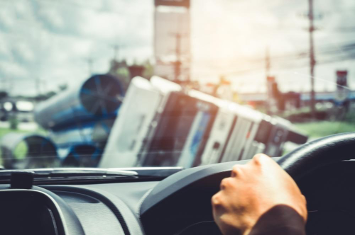
A single crash involving a commercial vehicle rarely stays a simple story.
What looks like one driver’s mistake often turns into a chain of decisions, systems, and responsibilities that sit behind the wheel without being seen. These accidents carry weight because they involve more than movement on the road. They involve businesses, rules, and layers of control that shape how vehicles operate every day.
That is why legal help for commercial vehicle accidents becomes part of the discussion early, as the situation starts opening in unexpected directions and responsibility begins to spread wider than expected.
Commercial vehicles do not operate like personal cars. They are part of a larger system where every trip is connected to a business purpose. Drivers follow schedules, routes, and company guidelines that influence how they work on the road. This structure changes the nature of an accident because the situation is not only about one decision at one point in time.
There are systems behind the vehicle that affect speed, timing, and delivery expectations. These systems shape how the vehicle is used, and they play a role in how an accident happens. Because of this, the case does not stay limited to the surface details.
The driver is the most visible part of any crash, but the full picture often goes beyond that role. Driver behavior, alertness, and judgment matter, but they are influenced by training and work conditions that are not always clear at first.
Fatigue, long hours, and pressure to meet deadlines can affect how a driver reacts on the road. These factors do not appear in a quick report, yet they hold weight in understanding what happened. Looking only at the driver can miss important details that sit behind those actions.
Companies that operate commercial vehicles carry a level of responsibility that is tied to how they manage their drivers. Hiring practices, training programs, and supervision all play a part in shaping driver performance. These elements create the environment in which the driver works every day.
If a company sets strict schedules or overlooks safety practices, those choices can influence how a crash unfolds. The connection may not be direct, but it exists in how the system is built. Responsibility can extend to the company because it controls many parts of the operation.
A commercial vehicle must be kept in proper condition to operate safely. Maintenance is often handled through regular checks, repairs, and inspections that may involve outside service providers. If something goes wrong with the vehicle, the cause may not be linked to the driver at all.
Brake failure, tire issues, or engine problems can create situations that are hard to control. These problems may point toward those responsible for maintaining the vehicle. This adds another layer to the case, where responsibility shifts based on how the vehicle was cared for over time.
Cargo plays a silent but powerful role in commercial vehicle accidents. The way goods are loaded can affect the balance, movement, and control of the vehicle. If cargo is not secured properly, it can shift during travel and create dangerous conditions.
Loading is often handled by separate teams or third-party services. This means the driver may not be the one responsible for how the cargo was placed. The effect of improper loading can be serious, and it introduces another party into the chain of responsibility.
These points explain why these cases become more layered than they first appear and why each part needs careful attention.
Insurance claims in these cases often involve more than one policy. Each party connected to the accident may have its own coverage, and this creates a situation where responsibility must be shared or divided. The process becomes detailed because every part of the claim needs to be supported with clear information.
Legal help for commercial vehicle accidents becomes important here because the claim is not built on a single line of events. It is built on how different roles connect to each other. This makes the process longer and more careful, as each piece must be understood in relation to the others.
A commercial vehicle crash rarely holds a single answer. It unfolds into a wider picture where responsibility moves through different hands and systems. Each layer adds depth to the case, making it more than a simple event on the road.
Legal help for commercial vehicle accidents often reflects this complexity by focusing on the full structure behind the crash, not just the visible outcome. Understanding this helps bring clarity to situations that may seem confusing at first, but begin to make sense once every part is seen together.