Conversations about safety in American communities have evolved in recent years. While law enforcement and emergency responders remain at the forefront of public protection, there is growing awareness around personal safety measures that extend beyond traditional roles.
One area seeing notable development is personal protective equipment, particularly body armor. Once associated almost exclusively with military and tactical units, modern protective gear is increasingly being adapted for broader use, including law enforcement, private security, and, in some cases, civilians seeking additional peace of mind.
Historically, body armor was designed with a narrow purpose: to protect against ballistic threats in combat or high-risk law enforcement situations. These systems were often heavy, rigid, and impractical for extended wear outside of specific operational contexts.
Today, the perspective has shifted. Protection is no longer seen as a specialized requirement but as part of a broader approach to personal safety. This change reflects evolving risks, as well as advancements in materials and design that make protective gear more wearable and adaptable.
For first responders, this means having equipment that supports long shifts without limiting mobility. For others, it introduces options that were not previously accessible or practical.
One of the key drivers behind this shift is progress in material science. Modern protective gear relies on advanced fibers and layered construction techniques that provide high levels of resistance while remaining relatively lightweight.
Soft armor systems, in particular, have seen significant improvements. Unlike traditional hard plates, these designs use flexible materials that can conform to the body while still offering substantial protection.
Some newer solutions incorporate multi-layered designs capable of addressing different types of threats simultaneously. For example, soft body armor rated for bullet, stab, and spike protection reflects a move toward more versatile systems that recognize the varied nature of modern risks. This type of development highlights an important point: protection is no longer one-dimensional. It must account for multiple scenarios, often within a single piece of equipment.
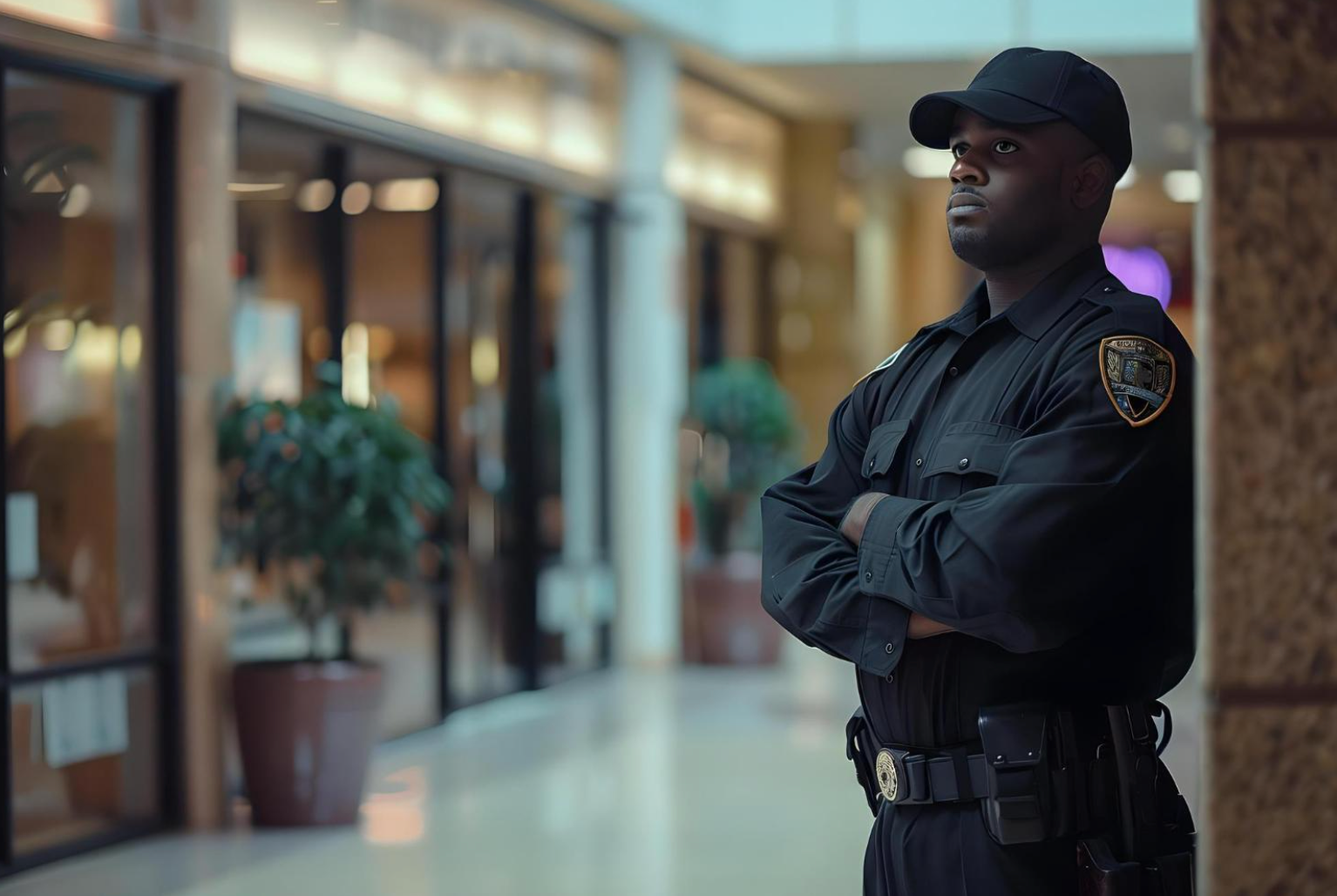
For police officers, paramedics, and other emergency personnel, protective gear is part of daily operations. However, the demands of their roles require more than just protection, they require functionality.
Mobility, comfort, and durability all play a role. Equipment must allow for quick movement, extended wear, and seamless integration with other gear such as radios and medical kits.
Modern designs address these needs through improved ergonomics, adjustable fits, and breathable materials. These features may seem incremental, but in practice, they can significantly affect performance and endurance during long shifts.
While protective gear remains most common among professionals, there is growing awareness among civilians as well. This does not necessarily reflect a shift toward widespread use, but rather an increased understanding of available options.
In certain professions, such as private security, investigative work, or high-risk retail environments, having access to discreet and lightweight protection can be valuable. Even outside these roles, some individuals explore protective gear as part of a broader personal safety strategy.
This trend is less about fear and more about preparedness. As information becomes more accessible, people are better equipped to understand what options exist and how they might apply to their specific circumstances.
As protective equipment becomes more widely available, the importance of standards and testing becomes even more critical. Users need to trust that the gear they rely on performs as expected.
In the United States, organizations such as the National Institute of Standards and Technology contribute to research and evaluation methods that influence how materials and protective systems are assessed. These frameworks help ensure consistency in testing and provide a benchmark for performance.
While not all products are evaluated under the same programs, adherence to recognized standards offers an important layer of assurance for users.
One of the ongoing challenges in protective gear design is balancing effectiveness with practicality. Maximum protection often comes with trade-offs in weight and flexibility, while lighter solutions may offer reduced coverage.
Modern systems aim to find a middle ground. By combining advanced materials with thoughtful design, manufacturers are creating gear that can be worn for longer periods without significantly impacting daily activities.
This balance is particularly important for those who may not operate in high-risk environments at all times but still want an added level of security.
As access to protective gear increases, so does the need for education. Understanding what equipment can and cannot do is essential for responsible use.
Body armor, for example, is designed to reduce risk, not eliminate it entirely. Its effectiveness depends on factors such as threat type, fit, and proper use.
Clear information helps users make informed decisions and avoid misconceptions. It also reinforces the idea that protective gear should be part of a broader safety approach, rather than a standalone solution.
The future of personal protective equipment is likely to be shaped by continued innovation. Research into new materials, improved ergonomics, and potential integration with smart technologies suggests that these systems will become even more adaptable.
For communities, this means access to better tools for enhancing safety. For professionals, it translates into equipment that supports both protection and performance.
The evolution of protective gear reflects a wider shift in how safety is understood. It is no longer limited to specific roles or environments but is increasingly viewed as a shared responsibility supported by technology and awareness.
From first responders to individuals seeking additional preparedness, modern protective solutions are becoming part of a larger conversation about resilience and readiness.
As these tools continue to evolve, their role will likely expand, not as a replacement for traditional safety measures, but as a complement to them, shaped by the realities of the world in which they are used.