There is a lot to love about the North Penn region. We have great neighborhoods, excellent schools, and a strong sense of local pride in towns from Lansdale to Hatfield. But there is one undeniable reality about living in modern American suburbs: you are completely dependent on your car.
It’s just the way the infrastructure was built. Your home is in one zone, the grocery store is in another, and the coffee shop is in a strip mall somewhere else. A simple run to pick up a few items from Aldi or grab a hoagie at Wawa often requires a two-ton vehicle, navigating multiple traffic lights, and fighting for a spot in a crowded parking lot.
For a long time, we just accepted this as the price of suburban living. But recently, the math—and the mental toll—have started to shift.
The Hidden Financial Drain of the Short Trip
When people talk about the cost of housing in the suburbs versus the city, they often forget to factor in transportation. The reality is that car dependency is incredibly expensive.
AAA estimates that the average cost of owning and operating a new vehicle in 2023 crossed $12,000 a year. Between gas, insurance, maintenance, and accelerated wear-and-tear, those local two-mile errands add up fast. You might save on your mortgage by living further out, but a massive chunk of that savings is eaten up by the fact that every adult in the household needs an expensive, well-maintained vehicle just to participate in basic daily life.
And it’s not just the money. It’s the time and the isolation. Spending your evenings sitting in traffic on Welsh Road or Route 309 isn't exactly a community-building exercise. When the only way you interact with your town is through a windshield, you miss out on the spontaneous "accidental community" that happens when people are actually out and about.
Breaking the Cycle Without Moving
We aren't going to suddenly rebuild our sprawling road network. But a growing number of residents are finding a cheat code to beat the system: substituting short car trips with electric bikes.
This isn't about giving up your car entirely—it’s about not needing your car for everything. Replacing that three-mile run to the pharmacy, or the quick trip to a friend’s house in the next subdivision, changes the dynamic of your week.
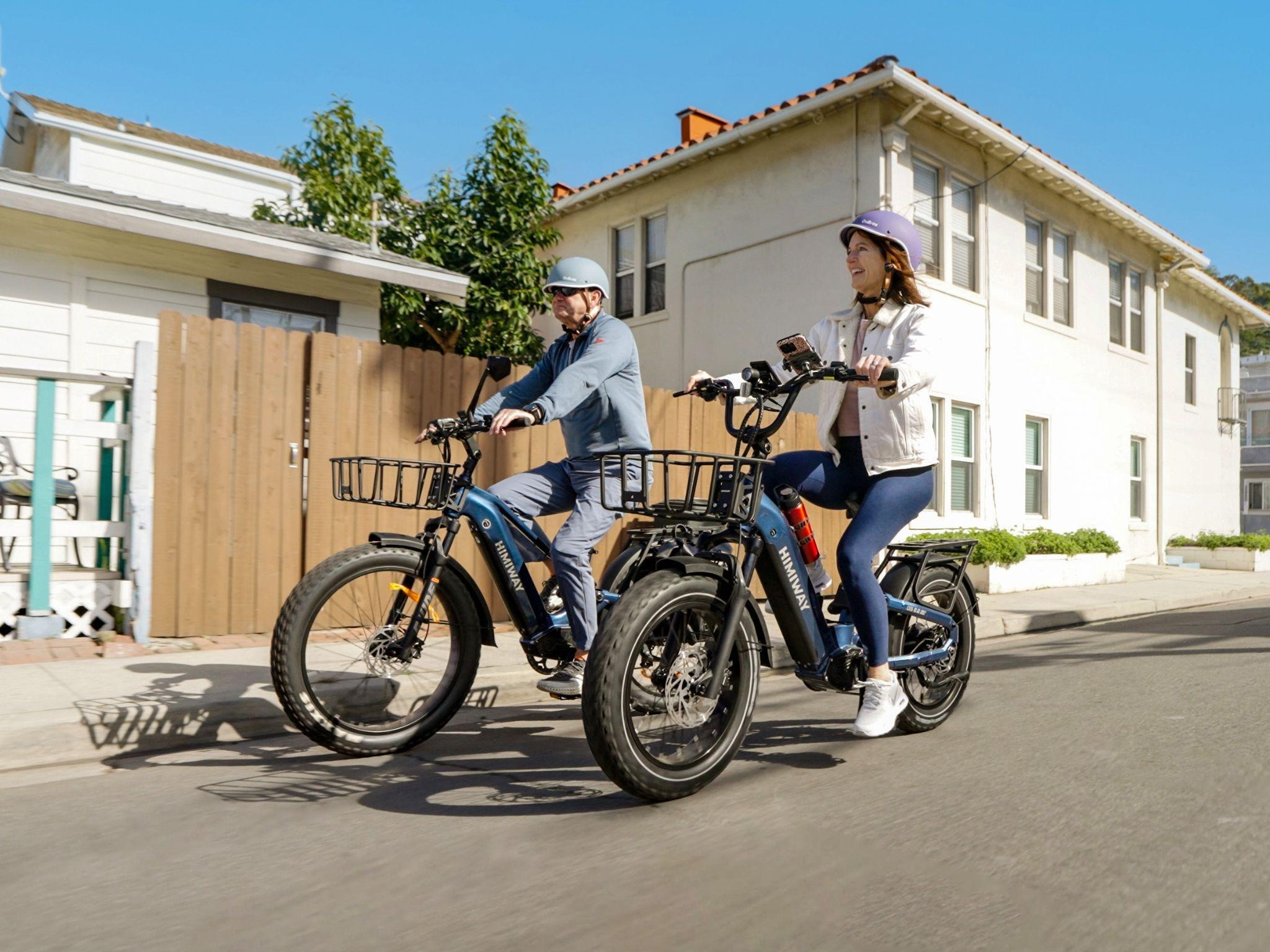
If you haven't looked at the bike market recently, the options have evolved far past the uncomfortable ten-speeds of the past. The industry has realized that suburban riders don't want to squeeze into athletic gear to go to the store. Driven largely by the popularity of the womens electric bike, the market is now flooded with highly approachable, step-through frames featuring upright seating and cargo baskets. These designs allow anyone to simply step on in their everyday clothes, pick up a few days' worth of groceries, and let the electric motor do the heavy lifting up the hills.
Safety and the "Suburban SUV"
Of course, the immediate pushback to riding a bike in the suburbs is safety. Nobody wants to ride a flimsy bicycle on the shoulder of a 45mph arterial road while distracted drivers speed past.
This is where the choice of equipment matters. Savvy riders aren't using traditional road bikes; they are adapting to the environment. Interestingly, this has led to a surge in the use of the off road electric bike for daily local errands.
Why off-road? Because the sprawling suburbs demand it. With massive, puncture-resistant fat tires and heavy-duty suspension, these bikes act like the SUVs of the cycling world. They allow you to safely hop a curb, cut across a grassy field between neighborhoods, take the gravel path through the local park, and navigate heavily potholed shoulders. They give you the capability to stay off the dangerous main roads entirely, linking together quiet neighborhood streets and trails to get where you need to go safely.
Reconnecting With the Neighborhood
There’s a profound mental health benefit to getting out from behind the steering wheel. Suburbs can sometimes feel lonely; you are surrounded by people, yet everyone is hidden behind their front doors or inside their cars.
When you start taking a bike for your local errands, the geography of your town feels different. You actually notice what businesses are in that strip mall. You say hello to neighbors walking their dogs. You get fresh air and a bit of movement after staring at a screen all day.
Nobody is suggesting giving up the minivan or the commuter car. But swapping just three or four car trips a week for an electric bike ride keeps miles off your vehicle, saves money at the pump, and might just make you like your hometown a little bit more.