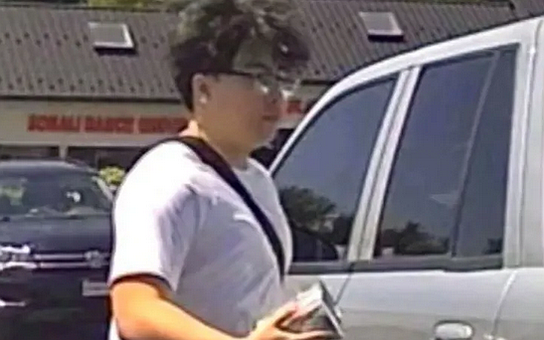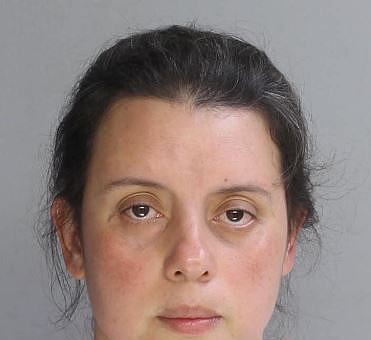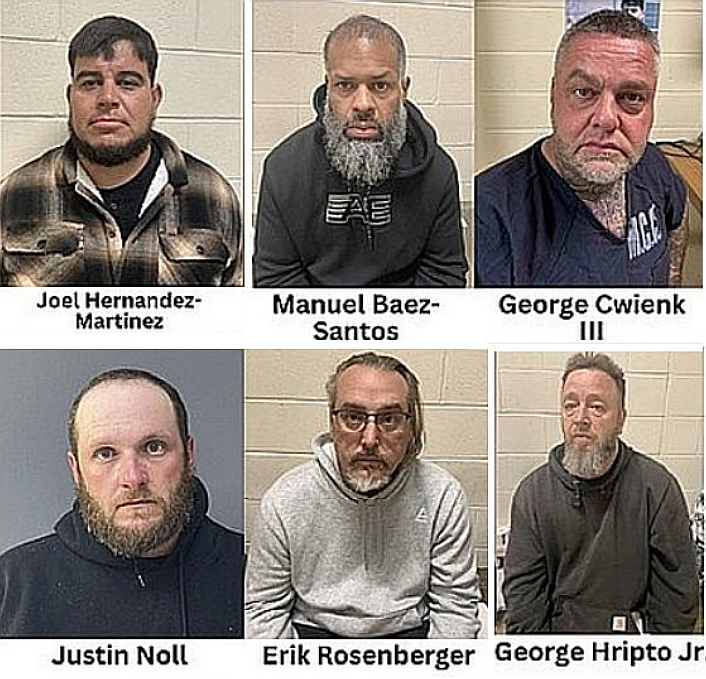
The sextet of Pagans face a joint May 18 trial on assault charges (Credit: Montgomery County DA)
Ruling sets stage for May trial tied to Wawa shooting that injured six people
A Montgomery County judge has ruled prosecutors can introduce evidence of gang affiliation when six alleged members of the Pagans Motorcycle Club stand trial next month in connection with a violent confrontation and shooting outside a West Norriton Wawa.
In a recent order, Judge Risa Vetri Ferman determined that references to the defendants’ ties to the Pagans are admissible, finding the evidence relevant to establishing “conspiracy, intent, motive and the natural development of the facts of the case,” according to The Mercury.
The decision clears a key hurdle for prosecutors as jury selection is set to begin May 18.
Prosecutors have argued that understanding the structure and culture of outlaw motorcycle gangs is central to the case, even seeking to call a federal expert to explain the dynamics between the Pagans and the rival Unknown Bikers Motorcycle Club.
Defense attorneys, however, per the article, have pushed back, warning that such testimony could unfairly bias jurors by focusing on association rather than individual actions. The judge has not yet ruled on whether that expert testimony will be allowed, according to The Mercury.
The charges stem from an Oct. 17, 2025 altercation in the Wawa parking lot on West Main Street, where authorities allege Pagans members surrounded and assaulted two rival bikers before gunfire erupted. Six people were injured, including two bystanders struck by bullets during the chaos. Prosecutors contend the confrontation was sparked by a territorial dispute, while defense attorneys argue the rival group fired the shots and should bear responsibility.
Originally, nine Pagans members were charged, but the case has since narrowed. Two defendants had charges dismissed, while another pleaded guilty to misdemeanor offenses and was sentenced to time served and probation. The remaining six defendants now head toward trial under a theory of accomplice liability, with prosecutors arguing “the act of one is the act of all,” as the high-profile case continues to unfold.