Bakery businesses in Canada are an essential part of the country’s food culture and local economies, combining tradition, innovation, and entrepreneurship. From small family‑run bakeries in quiet towns to high‑end patisseries and wholesale producers in major cities, the sector offers attractive opportunities—but also intense competition and tight margins. This blog post explores the landscape of bakery businesses in Canada, the opportunities available, the challenges owners face, and practical considerations for anyone planning to start a bakery.
Canadians have a strong and diverse baking culture shaped by European, Indigenous, Asian, Middle Eastern, and many other culinary traditions. Today’s customers want more than basic bread and cookies. They look for:
- Artisan breads made with sourdough, whole grains, and natural fermentation
- Specialty pastries, croissants, and desserts influenced by French, Italian, and other global cuisines
- Culturally specific baked goods, such as Middle Eastern flatbreads, South Asian sweets, or Portuguese pastries
- Health‑conscious products, including gluten‑free, vegan, low‑sugar, and
high‑protein options
This diversity translates into room for many different types of bakery businesses. Whether you dream of a neighbourhood bakery café, a home‑based custom cake business, or a wholesale brand supplying supermarkets, the demand is there if you can deliver quality and consistency
Types of Bakery Business Models
When thinking about “buying bakeries for sale in Canada,” it helps to understand the main business models. Each comes with its own startup costs, operational demands, and profit potential.
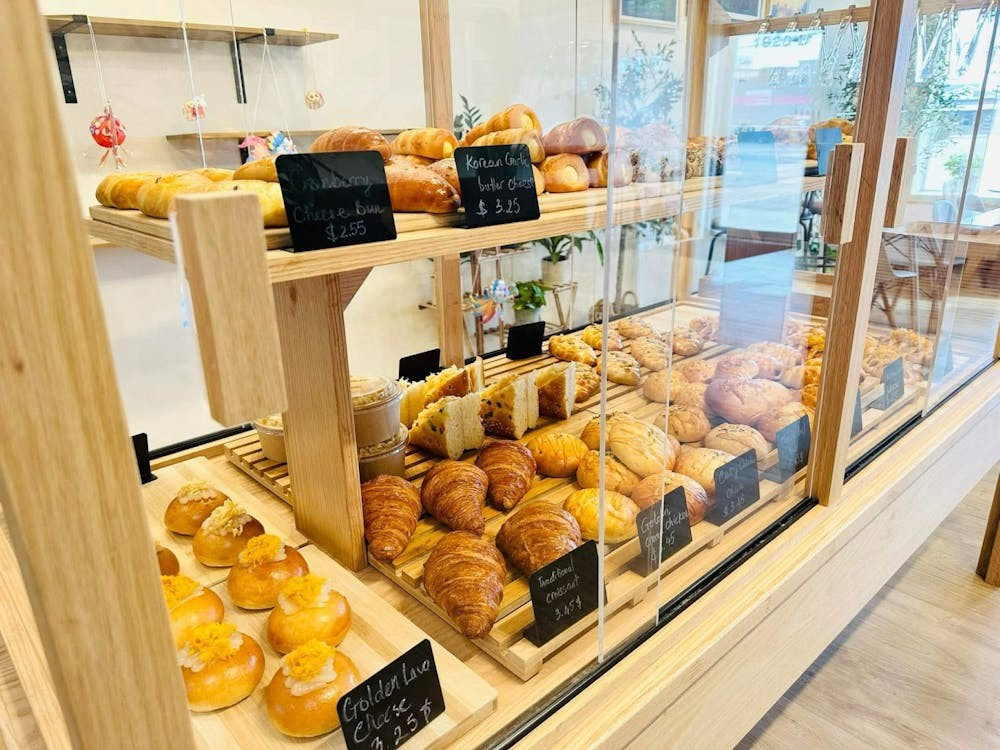
- Retail walk‑in bakery: A classic storefront where customers buy bread, pastries,
- cakes, and snacks to go. This model relies on foot traffic, consistent quality, and appealing displays.
- Bakery café: A combination of bakery and coffee shop with seating. Customers can enjoy baked goods with coffee, tea, and sometimes light meals like sandwiches or soups. This model can generate higher average sales per customer but also higher operating costs.
- Specialty cake or dessert shop: Focused on celebration cakes, wedding cakes, cupcakes, and desserts. Often works heavily on custom orders and pre‑orders. Some of these businesses operate from commercial kitchens without full retail storefronts.
- Home‑based or cottage‑style bakery: Small‑scale production for local markets, online orders, and custom clients: lower overhead, but limited production capacity and stricter rules about what can be sold.
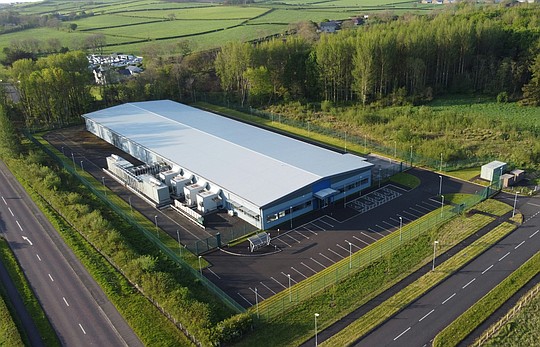
- Wholesale bakery: Produces bread, pastries, or desserts in large quantities for supermarkets, cafés, hotels, and restaurants. High volume and potential revenue, but requires significant investment in equipment, staff, and logistics.
- Hybrid models: Many entrepreneurs combine elements—for example, a retail bakery that also supplies local cafés, or a cake shop that sells both custom cakes and everyday treats.
Choosing a model depends on your budget, baking skills, business experience, and the market you want to serve.
Market Research and Location Strategy
Successful bakery businesses in Canada begin with a clear understanding of their target customers and neighbourhoods. Before signing a lease or buying equipment, it is crucial to do basic market research.
Key questions to explore:
- Who are your ideal customers?
Office workers seeking morning coffee and pastries, families wanting everyday bread, young professionals looking for artisan and specialty items, or event planners ordering custom desserts.
- What competition already exists?
Visit nearby bakeries, supermarket bakery sections, cafés, and dessert shops. Note their product range, pricing, quality, customer volume, and atmosphere. Look for gaps—maybe there is no good sourdough option, no late‑evening dessert place, or no bakery offering certain cultural specialties.
Streets near schools, transit stations, business districts, and busy residential areas often offer better walk‑in potential. For a bakery café, morning and lunchtime traffic can be particularly important.
- How does location affect costs?
Rent in prime downtown areas is much higher than in suburban settings, and you must be confident that projected sales can cover that cost. A slightly less central but still accessible location with lower rent can sometimes be more profitable.
Good market research doesn’t need to be overly technical. Simple observation, conversations with locals, and checking online reviews and maps can reveal a lot about what a neighbourhood needs.
Legal Requirements and Regulatory Considerations
Bakery businesses in Canada must follow federal, provincial, and municipal regulations for food safety, labour, and business operations. While details differ depending on the province and city, typical requirements include:
- Business registration: Choosing a legal structure (sole proprietorship, partnership, or corporation) and registering the business name. You may also need to register for GST/HST if you exceed certain revenue thresholds.
- Municipal licences and permits: Most cities require a business licence for food establishments. Depending on your location, you may also need sign permits, zoning approvals, and sometimes special considerations for venting or outdoor seating.
- Health and food safety compliance: Your bakery must meet health department standards for cleanliness, food storage temperatures, equipment, and layout. You will be subject to inspections. Staff who handle food usually need recognized food‑safety training.
- Building and fire codes: Ovens, electrical systems, gas lines, and ventilation all need to comply with building and fire regulations. Emergency exits, fire extinguishers, and sometimes fire‑suppression systems are mandatory.
- Labelling and packaging: If you package and sell products, you may need to follow labelling rules concerning ingredients, allergens, and nutrition information, particularly for wholesale distribution.
New owners often underestimate the time and cost of meeting these requirements. Building a good relationship with inspectors and asking questions early can prevent costly mistakes later.
Startup Costs and Financial Planning
Launching a bakery can require significant investment, though the exact amount depends heavily on your concept and scale. Major cost categories include:
- Leasehold improvements: Renovating the space, installing ovens, mixers, refrigerators, work tables, sinks, display cases, and ventilation systems. Flooring, counters, shelving, and decor also add up.
- Equipment and tools: Commercial ovens, mixers, proofers, refrigerators, freezers, dough sheeters, baking trays, pans, decorating tools, scales, and packaging supplies. Buying used equipment can reduce costs but requires careful inspection.
- Licences, permits, and professional fees: Costs for business registration, municipal licences, architectural or design consultations, and legal or accounting assistance.
- Initial inventory: Flour, sugar, dairy, eggs, chocolate, fruits, nuts, yeast, flavourings, as well as coffee, tea, and other beverages, if you have a café. Packaging, napkins, and cleaning supplies must also be stocked.
- Staffing and training: Hiring bakers, pastry chefs, counter staff, baristas, and potentially a manager. You must budget for training time before opening and for payroll during slower initial months.
- Working capital: Any new bakery needs cash reserves to cover at least a few months of rent, utilities, wages, and ingredients before the business becomes stable. This “buffer” is critical to survive seasonal fluctuations and the slow build‑up of regular customers.
A detailed business plan, including realistic sales forecasts, cost estimates, and cash‑flow projections, helps you decide how much financing you need and whether the business idea is truly viable.
Product Strategy: What Should Your Bakery Sell?
Choosing your product range is one of the most exciting and strategic parts of planning a bakery business in Canada. The right mix can attract loyal customers and set you apart from competitors.
Consider the following when designing your menu:
- Core staples: Everyday items like bread, rolls, muffins, cookies, and pies can provide steady sales. Many customers will return frequently for high‑quality basics.
- Signature items: A bakery becomes memorable when it is known for something special—perhaps a unique sourdough, a famous cinnamon roll, a particular cake, or a seasonal pastry that customers crave.
- Cultural and regional specialties: Depending on your background and neighbourhood, you might focus on Italian, French, Eastern European, Middle Eastern, South Asian, East Asian, or Latin American baked goods. Authentic, well‑executed products can attract both diaspora communities and adventurous food lovers.
- Dietary options: Offering gluten‑free, vegan, keto‑friendly, or low‑sugar options can help you reach customers with specific dietary needs. However, these products require careful recipe testing and sometimes separate production processes to avoid cross‑contamination.
- Seasonal and festive offerings: Holiday‑themed treats, special breads for festivals,
- and limited‑time flavours create excitement and often higher margins. Seasonal menus also allow you to experiment and learn which products resonate best.
Standardizing recipes and portions is essential for consistent quality and predictable costs. Even small variations in ingredient quantities can add up over time and affect taste, texture, and profitability.
Operations, Staffing, and Daily Realities
Running a bakery is physically demanding and schedule‑intensive. Many bakery businesses in Canada start production during the night or early morning so that freshly baked goods are ready for customers when the doors open.
Key operational considerations include:
- Production planning: You must balance variety with efficiency. Baking too much leads to waste; baking too little means lost sales and disappointed customers. Over time, sales data and observation help you predict demand more accurately.
- Staffing structure: A typical bakery may employ head bakers, assistant bakers, pastry chefs, decorators, counter staff, baristas, and dishwashers. Clear roles and communication are vital, especially during busy morning rushes.
- Training and quality control: New staff need training in recipes, baking techniques, food safety, customer service, and point‑of‑sale systems. Owners or managers should regularly taste products, check presentation, and ensure that standards are maintained.
- Supplier relationships: Reliable suppliers of flour, dairy, produce, chocolate, and packaging materials are crucial. Building long‑term relationships can help secure better pricing, consistent quality, and priority during shortages.
- Waste management: Unsold baked goods are a reality, particularly with fresh products. Some bakeries reduce waste by offering end‑of‑day discounts, donating surplus to charities where allowed, or using leftover items creatively (e.g., turning stale bread into breadcrumbs or puddings).
Life in a bakery often involves long hours and early starts, especially for owners in the first few years. Planning for rest, delegation, and eventual hiring of key staff helps avoid burnout.
Marketing and Branding for Canadian Bakeries
In a market filled with options, a well‑defined brand and effective marketing strategy can make all the difference.
Important elements include:
- Brand identity: A clear name, logo, and visual style (signage, packaging, social media design) help customers recognize and remember you. The brand should reflect your concept—whether it is rustic, elegant, playful, or modern.
- Storefront and displays: Attractive window displays, well‑lit showcases, and
- appealing product arrangements can draw in passers‑by. The smell of fresh bread or pastries is a powerful natural marketing tool.
- Online presence: An up‑to‑date website, accurate information on maps and directories, and active social media accounts let customers find you, check your hours, and see what you offer. Posting photos of baked goods, behind‑the‑scenes baking, and special promotions can build engagement.
- Reviews and word‑of‑mouth: Encouraging satisfied customers to share their experiences and leave reviews helps build credibility. Responding politely to feedback, especially criticism, shows professionalism and care.
- Community involvement: Participating in local events, supplying baked goods for community functions, or collaborating with nearby businesses for sale can strengthen your local reputation and bring in new customers.
- Loyalty and promotions: Loyalty cards, subscription bread or pastry boxes, seasonal offers, and birthday discounts can encourage repeat business and provide a more predictable revenue base.
Because bakery purchases are often habitual, once you become a part of customers’ daily or weekly routines, your marketing efforts gain compounding strength.
Challenges and Risks in the Bakery Industry
While bakery businesses in Canada can be rewarding, they also face significant challenges:
- Tight margins: Ingredient costs, labour, rent, and utilities can consume a large share of revenue. Small changes in flour prices, butter, or energy costs can impact profitability.
- Competition: Supermarket bakeries, chain cafés, and discount bakeries compete aggressively on price and convenience. Independent bakeries must differentiate through quality, uniqueness, and customer experience.
- Labour shortages: Finding skilled bakers and pastry chefs can be difficult, especially in smaller communities or during times of labour market tightness.
- Physical demands: Baking is hard physical work, involving lifting, standing, and working in hot environments. Owners and staff must manage fatigue and health carefully.
- Changing consumer preferences: Trends toward health‑conscious eating, plant‑based diets, and digital convenience (such as online ordering and delivery) require bakeries to adapt continually.
Facing these challenges with a realistic mindset, solid planning, and a willingness to innovate improves the chances of building a long‑lasting bakery brand.