E-commerce used to feel like a separate part of shopping. People went to local stores for everyday needs and used online ordering for things they could not easily find nearby, better prices or occasional larger purchases. That split is much less clear now. Online buying has moved into ordinary life, and the convenience people experience there has started to change what they expect everywhere else.
The change goes beyond ordering more things from a phone. It affects how people think about time, availability, pickup, delivery, repeat purchases, returns and local options. A customer who can track a package in real time, reorder something in two clicks or pick up a purchase without waiting in line starts to bring those expectations into other parts of daily life.
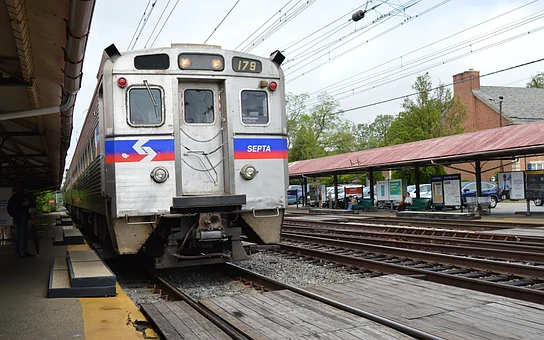
For communities like those across the North Penn area, local shopping does not disappear. It becomes more hybrid. People mix online browsing with local pickup, home delivery with in-person service, and global platforms with neighborhood businesses. Convenience has become part of how people judge the entire shopping experience, not just the checkout page.
For a long time, e-commerce was treated as competition for local shopping. The story was usually framed as online versus offline, large platforms versus small businesses, convenience versus community. There is some truth in that tension, but it no longer explains how people actually shop. Most consumers do not live in one world or the other. They move between both constantly.
A person might order household items online, pick up dinner from a local restaurant, buy birthday gifts from a small shop, compare prices on a phone while standing in a store, and schedule a service appointment through a website. That is simply how modern shopping works now. The boundaries have blurred.
E-commerce has changed the baseline. Customers have become used to knowing whether something is in stock, when it will arrive, what other people thought of it, and what their options are if it does not work out. Even when they prefer to shop locally, they still carry those expectations with them. They want clear hours, accurate information, easy communication, and fewer surprises.
Local businesses do not need to become Amazon to survive this shift. That would be the wrong lesson. What they do need is a clear understanding of how customer patience has changed. People are more willing to support local businesses when the experience feels dependable. They are less forgiving when basic information is hard to find, pickup is confusing, or communication is slow.
E-commerce is now shaping local habits, not just online sales. It changes what people expect from stores, restaurants, service providers, and even community institutions. The businesses that adapt best are not always the biggest. They are often the ones that remove unnecessary friction while keeping the local trust that made people choose them in the first place.
Most people think about e-commerce in terms of the website or the app. The product looks good, the price is fair, the checkout works, and the order is placed. But the real test often comes later. The real test often comes later: whether the item arrives when expected, whether pickup is clear, whether the package is left somewhere safe, and whether returns can be handled without turning into a project.
That final stage is often called the last mile, but for customers it is simply the part they feel most directly. A smooth purchase can still become frustrating if delivery fails, pickup is unclear, or the item arrives later than promised. The last mile is where convenience becomes real or breaks down.
This is why delivery and pickup options have become so important. People’s schedules are not built around waiting for packages. They are working, commuting, taking care of children, running errands, helping parents, and trying to fit shopping into already full days. A delivery window that sounds reasonable to a company may still be inconvenient for a household. A missed delivery can create more hassle than the original purchase was meant to remove.
Pickup has become part of the solution because it gives customers more control. Curbside pickup, in-store pickup, parcel lockers, pickup counters, and local collection points all solve the same basic problem: people want access that fits around their lives. They do not always need everything delivered to the front door. They need the process to be predictable.
Returns matter too. A product that is easy to buy but difficult to return creates hesitation. Customers remember that. If returning an item requires printing labels, finding packaging, waiting in line, or making a special trip, the convenience of buying online starts to fade. Retailers that make returns easier reduce the emotional risk of the purchase.
The last mile is also where local businesses can compete. A nearby business may not beat a national platform on product range, but it can win on certainty, speed, personal service, and local pickup. If a customer can check availability online, place an order quickly, and pick it up nearby without friction, local shopping becomes more convenient without losing its community value.
Parcel lockers and pickup points did not become popular because people love logistics technology. They became useful because they solve ordinary problems. People are not always home when deliveries arrive. Packages can be delayed, missed, stolen, damaged, or left in inconvenient places. Apartment buildings, shared houses, businesses, and busy family homes all create different delivery challenges.
A pickup point gives the customer more flexibility. Instead of waiting for a delivery, they can collect an order when it fits their schedule. A parcel locker can make that even easier by removing the need to interact with store hours or service counters. The customer gets a code, stops by when convenient, opens the locker, and leaves. It is not glamorous. That is exactly why it works.
In the United States, the most visible version of this model is often tied to major retailers, shipping companies, grocery pickup, and Amazon-style lockers. But the broader idea is global. Different markets have developed different versions based on density, housing patterns, transportation, consumer behavior, and local retail habits. The common thread is simple: the more e-commerce grows, the more important flexible collection becomes.
Parcel lockers also help address one of the biggest weaknesses of home delivery: uncertainty. A customer may prefer delivery when it works, but not when it creates anxiety around timing, security, or missed packages. A locker or pickup point changes the question from “Will I be home?” to “When is it convenient for me to collect it?” That shift gives the customer more control.
For local communities, the growth of pickup points shows something important. Convenience means little if it does not fit into real life. A delivery that arrives fast but at the wrong time is still inconvenient. A slightly slower order that can be picked up reliably after work, after school pickup, or between errands may feel more useful.
That is why parcel lockers and pickup points are likely to remain part of the shopping landscape. They do not replace stores, home delivery, or local service. They add another layer of choice. And choice is now one of the main ways customers define convenience.
Europe offers a useful example of how delivery habits can become part of everyday life. In several European markets, parcel lockers and pickup points are not treated as unusual add-ons. They are part of the normal shopping experience. Customers order online, choose a collection location, receive a notification, and pick up the package when it fits their day.
Germany helped popularize the modern parcel locker model through Packstation, while Poland became one of the clearest examples of how quickly this kind of infrastructure can become mainstream. InPost’s Paczkomaty network made locker pickup familiar to millions of customers, not just for occasional purchases but for regular online shopping. The bigger lesson is that delivery became more flexible because customers needed shopping to fit around real life, not around a carrier’s schedule.
That matters because convenience is often less exciting than companies imagine. Customers are not always looking for a dramatic new retail experience. Often, they simply want fewer failed deliveries, fewer wasted trips, and more control over when and where they collect what they bought. In that sense, parcel lockers became popular because they solved a very ordinary problem well.
The same logic applies across many categories. When customers already know what they want, from household goods and pet supplies to repeat purchases of personal care and wellness products, the value of e-commerce often comes from making ordinary orders easier to manage rather than turning every purchase into a special event. For local businesses, the lesson is simple: speed helps, but dependability and flexibility are what make convenience useful in daily life..
For local businesses, the lesson is not to imitate global giants. A small retailer, restaurant, service provider, or specialty shop does not need to build a national logistics network. But it does need to understand that customer expectations have changed. People now expect basic information to be easy to find and routine actions to be straightforward.
That can mean accurate hours online. Clear product availability. Easy ordering. Fast replies. Simple pickup instructions. Useful text or email updates. Reasonable return policies. A website that works on a phone. None of these things sound revolutionary, but they shape whether a customer feels that buying from a local business is easy or inconvenient.
This is where small businesses can still have an advantage. They often know their customers better than large platforms do. They understand local schedules, seasonal patterns, neighborhood habits, and the kind of personal service people remember. When that local knowledge is combined with basic digital convenience, the result can be powerful.
The danger is assuming that loyalty alone will carry the business. Many customers want to support local companies, but they are less patient with unnecessary friction than they used to be. If they cannot find basic information, if ordering is confusing, or if pickup feels disorganized, they may default to a larger platform even when they would prefer to buy locally.
Calling the future of shopping “digital” misses part of the point. Most people are not loyal to technology for its own sake. They are loyal to whatever makes life easier, clearer, and more reliable. If a digital tool removes friction, they use it. If it adds confusion, they avoid it.
That is why the next stage of retail will be practical before it is flashy. Customers will care less about whether a business uses the newest system and more about whether the basics work: finding what they need, trusting the information, getting the product without wasting time, returning it when something goes wrong, and fitting the process around work, family, weather and daily routines.
The lesson from e-commerce, parcel lockers, pickup points, and global delivery models is clear: convenience has become a normal part of how people organize daily life. Shopping habits are changing because people are trying to save time, reduce friction, and keep more control over busy schedules.
The businesses that understand this will not treat convenience as a trend. They will treat it as part of the customer experience. Whether the purchase happens online, in person, at a locker, at a counter, or through a local pickup system, the goal is the same: make the buying process easier to live with.