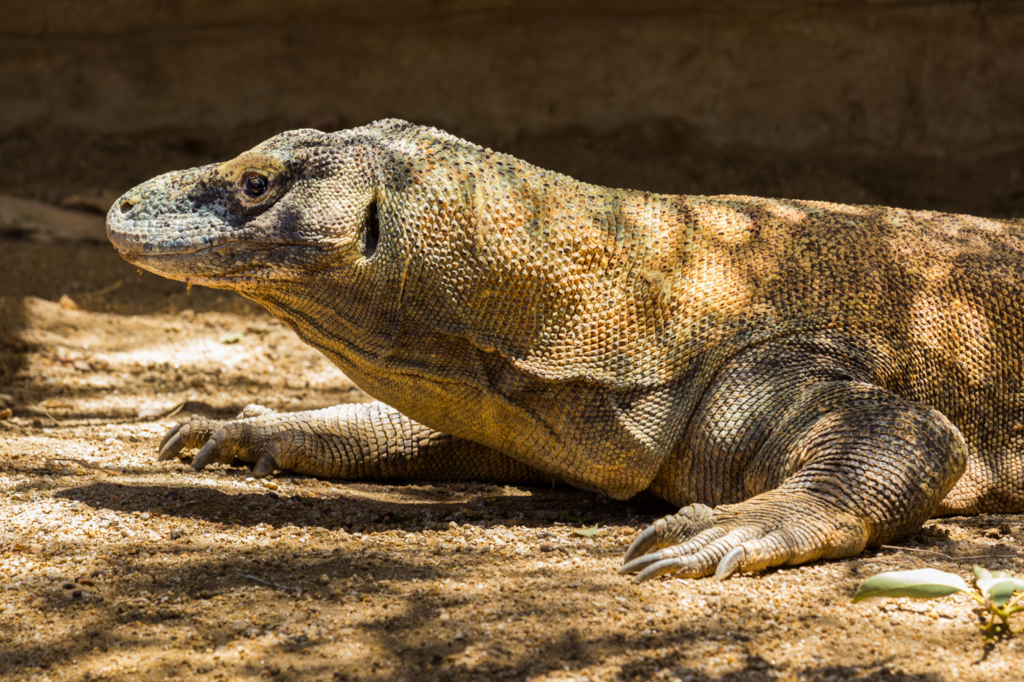
The Komodo dragon stands as one of nature's most formidable predators. These giant lizards roam the islands of Indonesia with an appetite that has sparked countless questions and fears. Stories of attacks occasionally surface from remote regions where humans and these ancient reptiles share territory.
Understanding the relationship between Komodo dragons and humans requires looking beyond sensational headlines. The reality involves complex behaviors, ecological factors, and documented incidents that paint a more nuanced picture than simple yes-or-no answers suggest.
The Komodo dragon, scientifically known as Varanus komodoensis, represents the largest living lizard species on Earth. These remarkable reptiles can reach lengths exceeding ten feet and weigh up to 150 pounds. Their massive muscular bodies, powerful tails, and razor-sharp claws make them apex predators in their native habitat.
These giant lizards evolved in isolation for millions of years. Komodo Island, Rinca, Flores, Gili Motang, and Padar comprise their entire natural range. Komodo dragons possess keen senses that aid their hunting prowess. Their forked tongues sample air particles to detect carrion from miles away.
Komodo dragons are opportunistic carnivores with diverse dietary preferences. Their menu includes deer, wild boar, water buffalo, and smaller prey like birds and rodents. Young Komodo dragons face predation from adults, leading juveniles to spend considerable time in trees. This cannibalistic tendency shapes population dynamics and behavior patterns. Smaller dragons hunt insects, eggs, and small vertebrates until reaching safer sizes.
In their natural habitat such as Komodo National Park on Komodo Island the landscape is teeming with wild animals like Sunda deer, water buffalo, wild boar, and carrion. These provide the primary food sources that sustain the dragons and showcase their role as apex predators in the ecosystem. The hunting strategy employed by Komodo dragons combines patience with explosive bursts of speed.
Between 1974 and 2012, researchers documented approximately 24 attacks in the Komodo National Park region. Five of these encounters resulted in human fatalities. A notable incident occurred in 2007 when an eight-year-old boy died following a Komodo dragon attack. The child had ventured into tall grass near his village when the attack happened.
Tourism-related incidents also appear in records, though protective measures have improved safety significantly. In 2009, a Komodo dragon attacked and seriously injured a tourist who had wandered away from designated viewing areas. The victim survived after receiving prompt medical attention.
Komodo dragons do not typically view humans as preferred prey. Their natural diet centers on island fauna that evolved alongside them for millennia. However, specific circumstances can trigger aggressive behavior toward people. Hunger represents the most probable cause. A desperate or starving Komodo dragon may attack any potential food source, including humans.
Territorial defense prompts some attacks, particularly during nesting seasons. Female Komodo dragons guarding eggs display heightened aggression toward any perceived threats. Humans inadvertently approaching nest sites may trigger defensive strikes.
Komodo dragons often display distinct signals before becoming aggressive. Recognizing these behaviors early helps reduce risk and allows you to respond calmly and safely.
For travelers curious about these ancient predators, the safest way to see Komodo dragons is through guided tours within Komodo National Park. Rangers provide expert supervision, ensuring visitors maintain proper distance and follow safety protocols. Staying on marked paths, moving calmly, and respecting the dragons' space are essential practices that prevent dangerous encounters.
At the same time, visiting Komodo is also about enjoying the island itself. You can observe these ancient predators on land while experiencing the rich marine life through diving, from reputable centers offering PADI courses in Komodo Island. This combination of wildlife encounters and underwater exploration makes the journey both safe and unforgettable.
Komodo dragons are powerful predators that can and will attack humans, though such encounters remain rare. Their evolution on isolated Indonesian islands shaped impressive hunting abilities, but modern interactions are new and require caution.
Respect and distance are key to safe coexistence. Understanding their behavior and following expert guidance protects both people and dragon populations. Conservation efforts are vital, as these remarkable reptiles face extinction risks. Preserving them ensures future generations can witness Komodo dragons in their natural habitat and reminds us of the importance of protecting Earth's biodiversity.