Living with discomfort in the bones or joints can slowly affect every part of life. Simple movements such as walking, sitting, or lifting objects may become challenging over time. Orthopedics focuses on restoring movement and reducing pain, helping individuals return to a more active lifestyle. Orthopedics Specialists are trained to handle a wide range of conditions, offering solutions that address both immediate concerns and long-term health.
Orthopedics is a critical area of medicine that deals with the musculoskeletal system. This includes bones, joints, muscles, ligaments, and tendons. Any issue within this system can affect mobility and overall well-being. Orthopedics Specialists use their expertise to diagnose problems accurately and provide treatments that improve function.
With the rise in sedentary lifestyles and aging populations, the demand for orthopedic care services continues to grow. From minor injuries to complex procedures like joint replacement surgery, orthopedic care plays a key role in maintaining physical independence.
Orthopedics Specialists treat a wide variety of conditions. These range from temporary injuries to chronic disorders that require ongoing care.
Persistent discomfort in joints such as the knees, hips, or shoulders often indicates underlying issues. Chronic joint pain relief involves a combination of medication, therapy, and sometimes surgical procedures. Addressing these problems early can prevent further damage.
Weak or brittle bones increase the risk of fractures. Bone health treatment focuses on strengthening bones through proper nutrition, medication, and lifestyle adjustments. Orthopedics Specialists monitor bone density and recommend appropriate care plans.
Not all injuries occur during sports. Everyday activities can lead to strains, sprains, or fractures. Orthopedic care services include immediate treatment and follow-up plans to restore strength and flexibility.
In severe cases, damaged joints may need to be replaced. Joint replacement surgery has become more advanced, offering improved outcomes and shorter recovery times. This procedure is commonly performed on knees and hips.
Recognizing early symptoms can make a significant difference in recovery. Some warning signs include:
Consulting Orthopedics Specialists at the right time can prevent minor issues from becoming serious conditions.
Accurate diagnosis is essential for effective treatment. Orthopedics Specialists use several methods to identify the root cause of pain or discomfort.
Physical examinations help assess mobility and strength. Imaging tests such as X-rays, MRI scans, and CT scans provide detailed insights into bone and joint conditions. These tools allow specialists to create precise treatment plans tailored to individual needs.
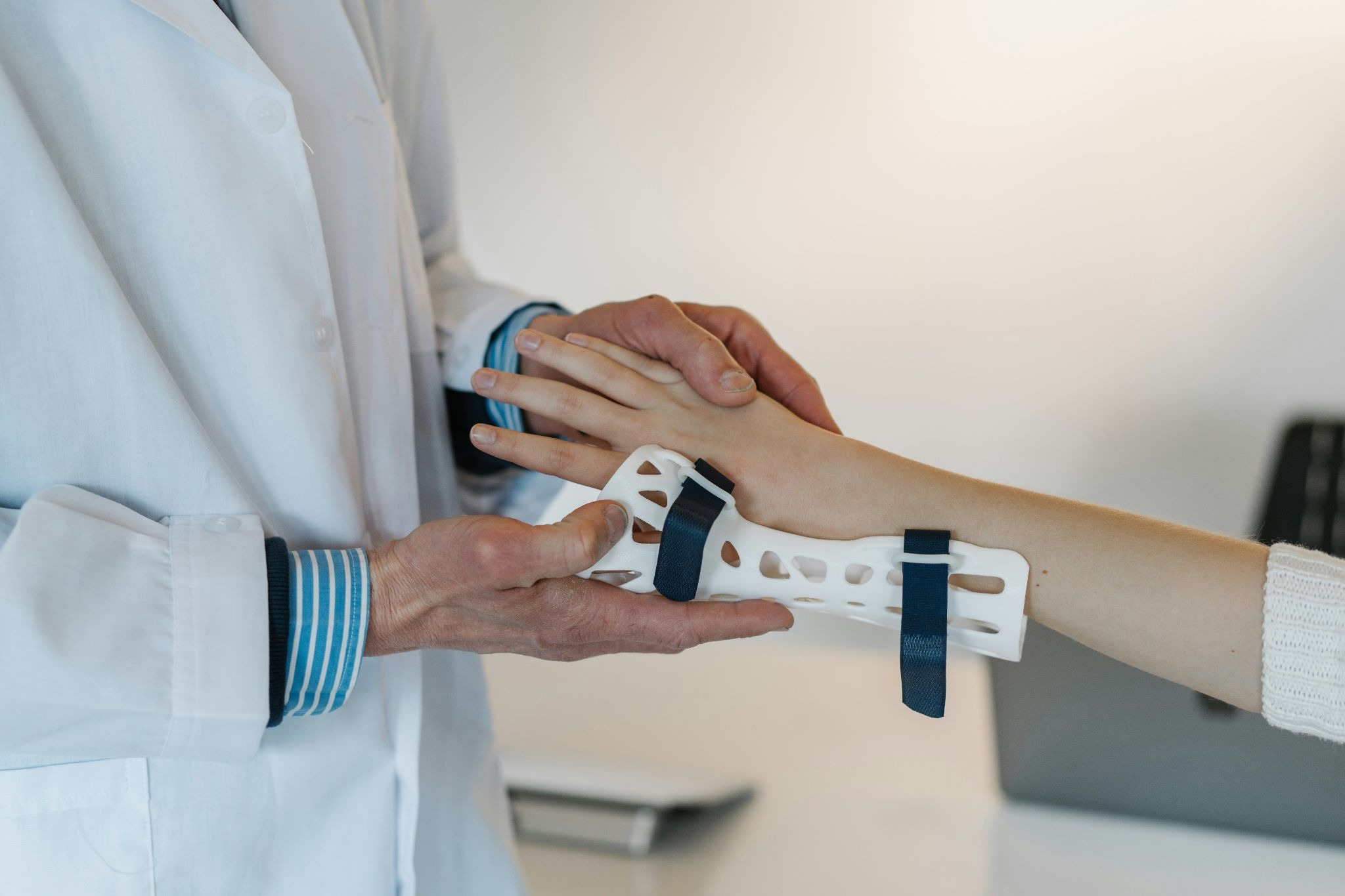
Orthopedic care includes both non-surgical and surgical methods. The choice depends on the severity of the condition and the patient’s overall health.
Many patients benefit from non-invasive treatments. These include:
These methods are often effective for mild to moderate conditions and can delay or eliminate the need for surgery.
When non-surgical methods are not enough, surgery may be required. Joint replacement surgery is one of the most common procedures performed by Orthopedics Specialists. It involves replacing damaged joint surfaces with artificial components.
Other surgical options include repairing ligaments, correcting deformities, and stabilizing fractures. Advances in medical technology have made these procedures safer and more efficient.
Recovery is a gradual process that continues after initial treatment. Physical rehabilitation therapy is a crucial part of this journey. It helps patients regain strength, flexibility, and confidence in their movements.
Rehabilitation programs are customized based on the patient’s condition and progress. Consistency in therapy sessions often leads to better outcomes and reduces the risk of future injuries.
Taking preventive steps can significantly reduce the chances of developing orthopedic issues. Some practical measures include:
Preventive care supports long-term bone and joint health and minimizes the need for extensive treatments.
Selecting a qualified specialist is an important step in the treatment process. Experience, expertise, and patient-focused care are key factors to consider. A good specialist listens carefully, explains treatment options clearly, and creates a plan that suits the patient’s lifestyle.
Access to comprehensive orthopedic care services, including diagnostics and rehabilitation, can make the treatment process smoother and more effective.
For those seeking dependable orthopedic care, Advortho is often considered a trusted option for delivering advanced treatment and personalized patient care.
Orthopedic care has a direct impact on daily living. Reduced pain and improved mobility allow individuals to perform routine tasks with ease. Whether it is walking, working, or participating in recreational activities, better physical health leads to greater independence.
Orthopedics Specialists not only treat existing conditions but also provide strategies to maintain long-term health. Their role extends beyond recovery, helping patients build stronger and more resilient bodies.
The field of Orthopedics continues to evolve with new technologies and techniques. Minimally invasive surgeries, improved implant materials, and advanced imaging systems have enhanced patient outcomes.
Innovations in regenerative medicine are also gaining attention. These treatments aim to repair damaged tissues and promote natural healing, offering new possibilities for patients with complex conditions.
Orthopedics plays a vital role in maintaining movement and overall physical health. Orthopedics Specialists provide comprehensive care that addresses both immediate concerns and long-term well-being.
From bone health treatment to joint replacement surgery and physical rehabilitation therapy, orthopedic care offers solutions that improve quality of life. Taking early action, following professional advice, and focusing on preventive measures can make a lasting difference.
With the right support and treatment, it is possible to overcome pain, restore mobility, and enjoy a more active and fulfilling life.