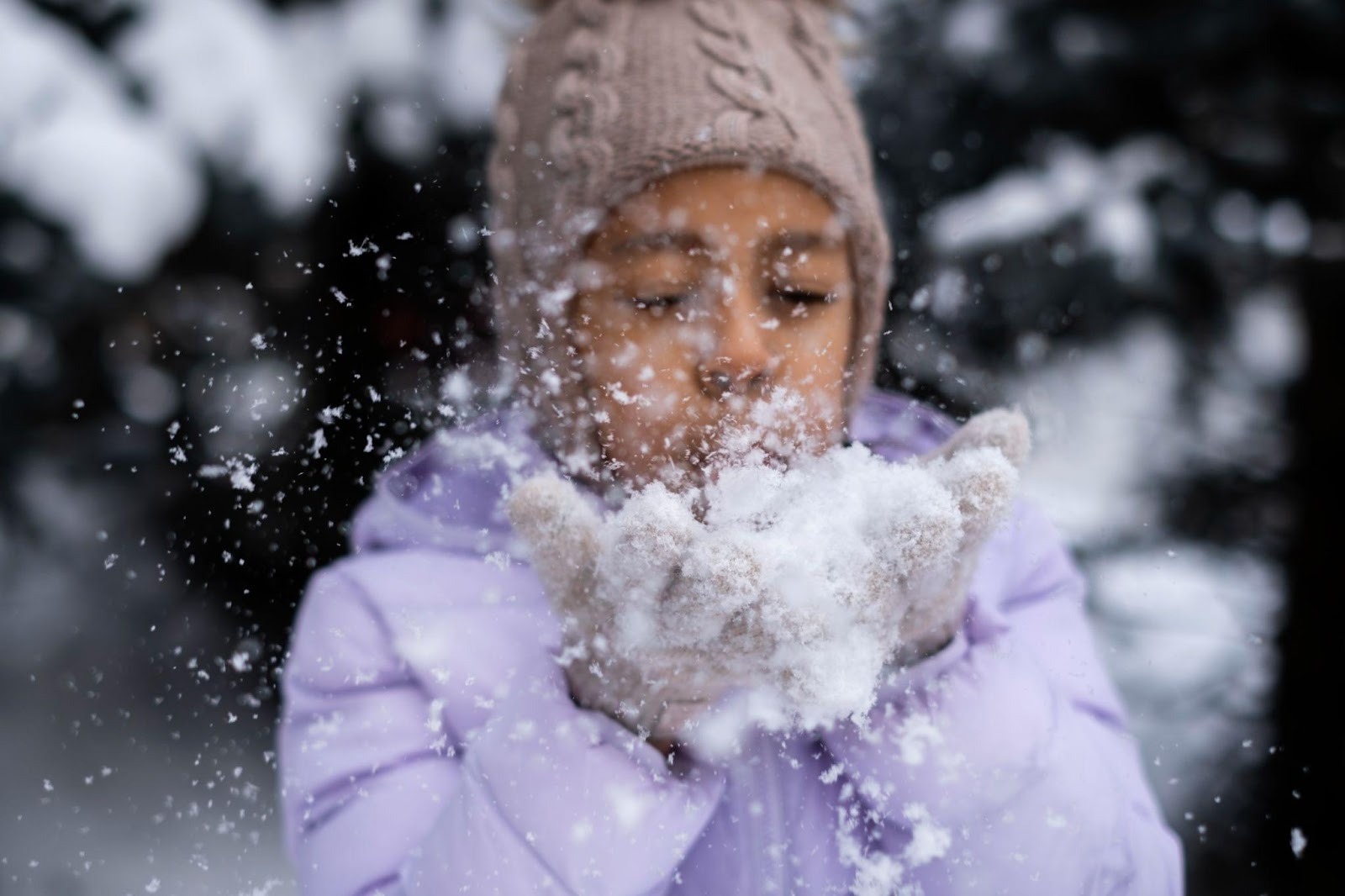
Winter has always carried a special kind of magic. The first snowfall transforms ordinary streets into quiet, white landscapes, and for students, it brings the possibility of something even more exciting than the weather itself: a snow day. Despite advances in technology, remote learning, and real-time communication, the concept of a snow day continues to hold strong emotional and cultural value.
In today’s fast-paced, always-connected world, snow days serve as a rare pause. They interrupt routine, offering a break from structured schedules and academic pressure. While some may argue that virtual classrooms have reduced the need for school closures, the reality is more nuanced. Snow days still play an important role in mental well-being, family bonding, and even community safety.
One of the most overlooked benefits of a snow day is its impact on mental health. Students today face increasing academic demands, along with social and digital pressures. A sudden day off provides an unplanned opportunity to rest and recharge.
Unlike scheduled holidays, snow days feel like a bonus. This element of surprise triggers excitement and joy that cannot be replicated by planned breaks. Psychologists often note that unexpected rewards can significantly boost mood and motivation. For children and teenagers, waking up to the news of a school closure can create a sense of relief and happiness that lasts throughout the day.
Parents also benefit in subtle ways. While managing childcare can be challenging, snow days often encourage families to slow down and spend quality time together. Whether it is building a snowman, watching movies, or simply enjoying a warm meal, these moments contribute to stronger family connections.
Beyond emotional benefits, snow days exist for a very practical reason: safety. Severe winter weather can make roads hazardous, reduce visibility, and increase the risk of accidents. School buses, in particular, face challenges navigating icy or snow-covered routes.
School administrators must weigh multiple factors before deciding to close schools. These include snowfall intensity, temperature, road conditions, and timing of the storm. Even a small amount of snow can lead to closures in regions that are not equipped to handle winter weather efficiently.
This is where digital tools have started to influence how people prepare for potential closures. Many families now check forecasts and predictions in advance to anticipate disruptions. Tools like snow day calculator help users estimate the likelihood of school closures based on weather conditions, allowing parents and students to plan ahead with greater confidence.
Technology has changed how we experience snow days, but it has not replaced them. Instead, it has enhanced awareness and preparation. Weather apps, live radar updates, and predictive tools give users access to information that was once limited to local news broadcasts.
However, there is an ongoing debate about whether remote learning should replace traditional snow days. Some schools now implement virtual classes during bad weather, reducing the number of days students miss instruction. While this approach maintains academic continuity, it also removes the sense of excitement and spontaneity that defines a true snow day.
There is also the issue of accessibility. Not all students have reliable internet connections or suitable devices at home. For these students, mandatory online learning during severe weather can create additional stress rather than solving a problem.
As a result, many educators advocate for a balanced approach. Occasional snow days without virtual requirements can provide necessary rest while ensuring that learning remains on track overall.
Snow days are more than just a break from school. They are a shared cultural experience. Across different regions, students wake up early to check announcements, hoping for that one message that changes their day entirely.
This collective anticipation creates a sense of community. Social media has amplified this effect, with students sharing predictions, reactions, and celebrations online. The excitement spreads quickly, turning a local weather event into a widely shared moment.
Even adults often feel nostalgic about snow days. Many remember the thrill of hearing school closures announced on the radio or television. These memories contribute to the lasting appeal of snow days, making them a tradition that continues across generations.
While snow days are often viewed from a student perspective, they also have broader implications. Businesses may adjust operating hours, public transportation can be disrupted, and local economies may experience temporary slowdowns.
At the same time, certain sectors benefit. Retail stores see increased demand for winter supplies, and local services such as snow removal become essential. Communities often come together during heavy snowfall, helping neighbors clear driveways or checking in on vulnerable individuals.
These interactions strengthen community bonds and highlight the importance of cooperation during challenging conditions.
Preparation can make a significant difference in how enjoyable and stress-free a snow day becomes. Families can take simple steps to ensure they are ready for unexpected closures:
By staying prepared, families can turn a potentially disruptive event into a positive experience.
Despite technological advancements and evolving educational systems, snow days are unlikely to disappear completely. They fulfill a unique role that goes beyond academics. They provide rest, create memories, and prioritize safety in ways that structured schedules cannot.
In a world that often values productivity above all else, snow days remind us of the importance of slowing down. They offer a chance to step away from routine, enjoy the present moment, and reconnect with what truly matters.
As long as winter continues to bring snow, the excitement of a possible day off will remain a cherished part of life.