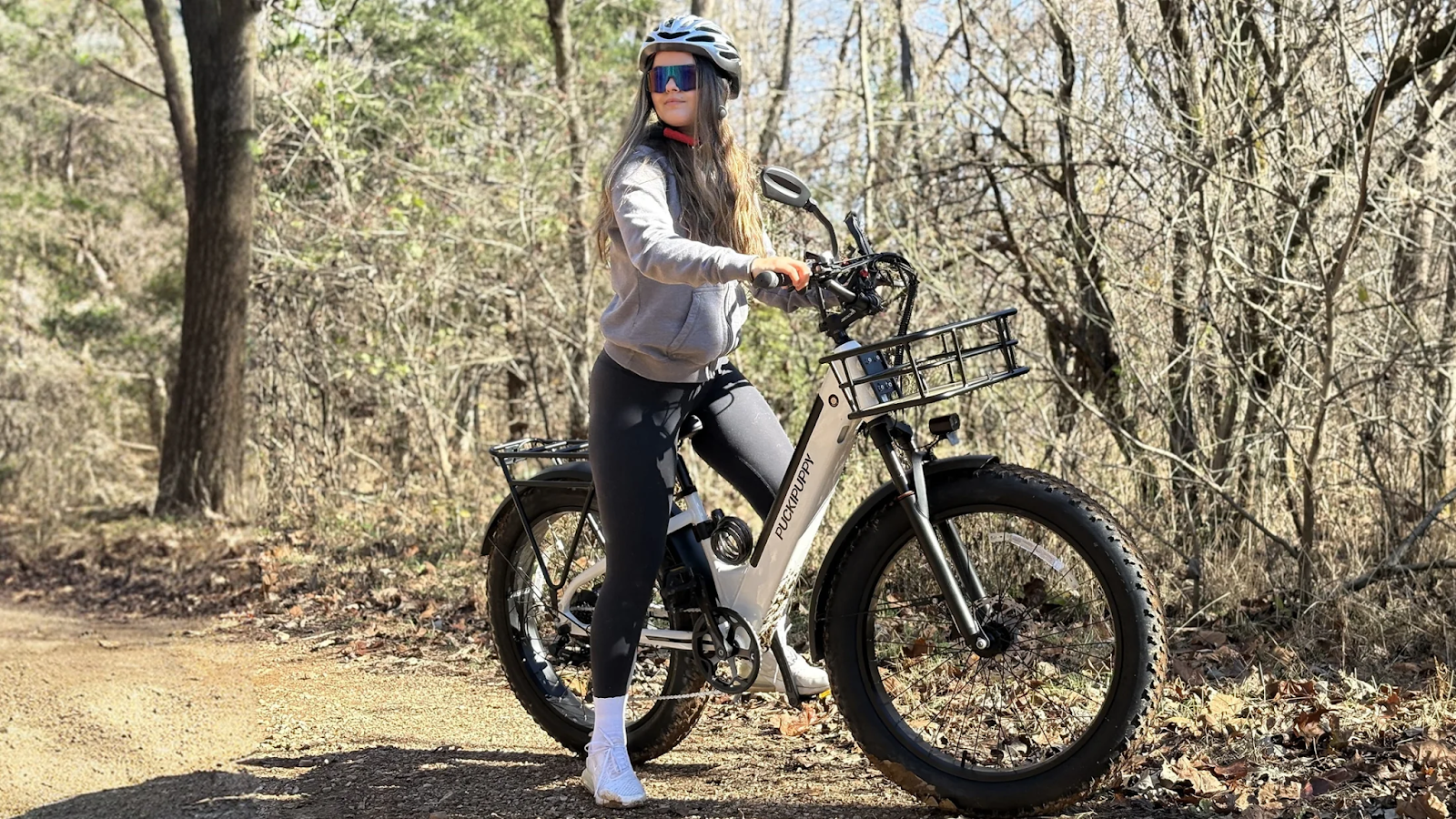
Fat tire e-bikes are instantly recognizable because of their oversized tires, often measuring four inches wide or more. These wide tires give the bikes a rugged appearance and allow them to handle challenging terrain that standard bicycles might struggle with. At the same time, riders often wonder how these bikes manage to remain practical for everyday riding when such large tires typically create more rolling resistance.
The answer lies in the way fat tire e-bikes are designed to balance traction and efficiency. While wide tires increase grip and stability, electric assistance and modern bike engineering help compensate for the added resistance. This combination allows riders to enjoy strong traction without sacrificing usability for longer rides.
Understanding how fat tire e-bikes achieve this balance helps explain why they have become such a popular and versatile category within the e-bike market.
The primary advantage of fat tires is the increased contact patch between the tire and the ground. Because the tires are wider, more rubber touches the riding surface at any given moment.
This larger contact area improves traction, especially on loose or uneven terrain such as gravel, sand, dirt, or snow. Instead of cutting into the surface, the tire spreads the rider’s weight over a wider area, allowing the bike to maintain grip.
This effect is similar to how snowshoes work on deep snow. By distributing weight more evenly, fat tires reduce the likelihood of sinking or slipping.
For riders navigating mixed terrain or poorly maintained roads, this added traction can significantly improve stability and control.
Another important factor in traction is tire pressure. Fat tires contain a much larger air volume than traditional bike tires, which allows them to run at lower pressures.
Lower tire pressure enables the tire to deform slightly when encountering obstacles or uneven surfaces. Instead of bouncing over rocks or gravel, the tire conforms to the terrain, maintaining better grip.
This flexibility increases traction in challenging conditions and helps the bike maintain stability when riding over loose surfaces.
However, tire pressure also influences efficiency. Lower pressure improves grip but can increase rolling resistance, which requires more energy to maintain speed.
Finding the right balance between traction and efficiency often involves adjusting tire pressure depending on the terrain.
Rolling resistance refers to the energy required for a tire to move across the ground. In general, wider tires produce more rolling resistance than narrow ones, especially on smooth pavement.
At first glance, this might seem like a disadvantage for fat tire e-bikes. However, several factors help offset this effect.
First, modern fat tires are designed with tread patterns that reduce unnecessary friction when riding on hard surfaces. Second, the large air volume allows riders to adjust pressure levels to improve efficiency when riding primarily on pavement.
Finally—and most importantly—electric motors provide assistance that compensates for additional resistance.
These factors allow fat tire e-bikes to maintain practical riding speeds even with larger tires.
One of the biggest reasons fat tire bikes became more practical with the rise of e-bikes is the addition of electric motor assistance.
Traditional fat bikes can feel slower and require more effort to pedal on smooth roads. The motor in an e-bike helps overcome this extra resistance by providing additional power as the rider pedals.
Instead of forcing the rider to work harder, the motor ensures that maintaining speed remains comfortable and efficient.
This means riders can enjoy the traction and stability benefits of fat tires without feeling limited by the added rolling resistance.
Electric assistance effectively restores the balance between grip and efficiency.
Traction is not only about grip—it also affects how efficiently a bike moves across challenging terrain.
When a tire slips or loses traction, the rider’s energy is wasted. This often happens with narrow tires on loose surfaces like gravel or sand.
Fat tires reduce this problem by maintaining consistent contact with the ground. Because the bike remains stable and predictable, more of the rider’s effort goes toward forward motion rather than correcting balance or slipping wheels.
In other words, improved traction can indirectly improve efficiency by reducing energy loss.
This effect becomes especially noticeable when riding on mixed terrain where traction conditions frequently change.
Fat tire e-bikes also rely on specialized frame and wheel designs that help maintain balance between traction and efficiency.
Wide tires require wider rims and frames that provide adequate clearance. Engineers design these components to maintain proper alignment and weight distribution.
Many fat tire e-bikes use lightweight aluminum frames and carefully positioned motors and batteries to keep the overall weight manageable.
Balanced weight distribution helps the bike feel stable without becoming difficult to maneuver. When the frame, motor, and tire design work together effectively, the bike maintains good riding efficiency even with larger tires.
One of the biggest strengths of fat tire e-bikes is their ability to perform well across a wide range of riding conditions.
On pavement, the motor assistance helps compensate for rolling resistance. On gravel or dirt roads, the wider tires maintain traction that narrow tires often lack.
This versatility allows riders to move between different types of terrain without needing specialized equipment.
For riders who frequently encounter mixed riding conditions, this adaptability can make fat tire e-bikes a practical choice.
Many manufacturers design their fat tire models specifically to balance these qualities. Brands such as Puckipuppy, for example, offer fat tire e-bikes built to handle varied terrain while maintaining stable and comfortable riding performance.
Another factor that helps fat tire e-bikes balance traction and efficiency is their adjustability.
Riders can modify tire pressure depending on their riding conditions. Lower pressure improves traction for off-road surfaces, while higher pressure increases efficiency on paved roads.
Similarly, most e-bikes allow riders to adjust motor assistance levels. Lower assistance levels conserve battery power and encourage pedaling efficiency, while higher levels provide additional power when climbing hills or riding through difficult terrain.
These adjustable elements allow riders to tailor the bike’s performance to their specific needs.
For many riders, the goal is not simply maximum traction or maximum efficiency. Instead, they want a bike that performs well across a variety of real-world conditions.
Fat tire e-bikes achieve this by combining wide tires for grip with electric assistance for efficiency. The result is a design that works reliably on many surfaces without requiring the rider to sacrifice comfort or stability.
This balanced approach explains why fat tire e-bikes have become increasingly popular among riders who value versatility.
Fat tire e-bikes demonstrate how thoughtful engineering can balance two characteristics that might initially seem contradictory: traction and efficiency.
The wide tires provide excellent grip and stability across challenging terrain, while adjustable tire pressure, efficient frame design, and electric motor assistance help maintain practical riding performance.
Together, these elements create a bike that can handle diverse conditions without feeling inefficient or difficult to ride.
For riders seeking a versatile e-bike capable of navigating everything from gravel roads to city streets, fat tire designs offer a compelling combination of stability, adaptability, and efficiency.