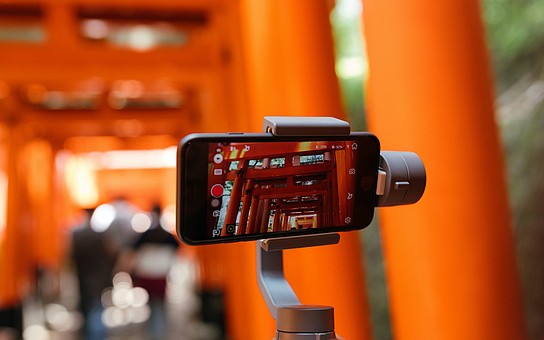
Japan has quickly become one of the most popular international destinations for American travelers. From the neon-lit streets of Tokyo to the historic temples of Kyoto, the country offers a unique mix of tradition and innovation that continues to attract visitors from around the world.
But while Japan is known for its efficiency and advanced technology, traveling there for the first time can still come with a learning curve. Understanding a few key differences—and preparing ahead of time—can make the experience much smoother.
Japan stands out for its ability to blend the old and the new. Visitors can explore centuries-old shrines in the morning and walk through futuristic shopping districts in the afternoon.
The country is also known for its cleanliness, safety, and highly organized infrastructure. Public transportation is reliable, cities are well maintained, and overall, it’s considered one of the safest places to travel.
In addition, Japanese culture—from food to etiquette—offers something truly different from what most American travelers are used to, making each experience feel fresh and memorable.
Despite its global reputation, Japan can feel very different from the United States in everyday ways.
Language is one of the first challenges. While English signage is common in major cities, especially in train stations, not everyone speaks English fluently. This can make simple interactions—like ordering food or asking for directions—a bit more complicated.
Another surprise is the continued importance of cash. Although digital payments are becoming more common, many smaller businesses, restaurants, and even some transportation options still prefer cash.
There are also cultural norms to be aware of, such as quiet behavior on public transportation, organized queuing, and a general emphasis on politeness and respect.
Japan’s transportation system is one of the most efficient in the world—but it can feel overwhelming at first.
Trains are the primary way to get around, including the famous Shinkansen (bullet train) for long-distance travel. Within cities, subways and local trains are widely used.
However, navigating stations, understanding different rail lines, and managing transfers can be confusing for first-time visitors. Stations are often large and busy, with multiple levels and platforms.
Having access to real-time navigation tools can make a big difference. Being able to check routes, platforms, and delays instantly helps travelers move with confidence.
One of the most important—but often overlooked—parts of traveling to Japan is staying connected.
Many U.S. mobile plans offer international roaming, but these can be expensive or limited. Public Wi-Fi is available in some areas, but it’s not always consistent or easy to access.
Without reliable internet, simple tasks like navigating a city, translating text, or confirming reservations can become more difficult.
That’s why many travelers now prepare their connectivity in advance. Solutions like Holafly's esim for Japan make it easy to stay connected as soon as you land, helping travelers avoid common issues and move around more easily.
In a country like Japan, where transportation systems are complex and language barriers may exist, having internet access is especially valuable.
Travelers often rely on mobile data for:
With reliable connectivity, visitors can adapt quickly, make informed decisions, and avoid unnecessary stress.
For those planning their first visit to Japan, a few simple tips can go a long way:
These steps can help travelers feel more comfortable and confident throughout their trip.
Traveling to Japan is a rewarding experience that offers a unique blend of culture, history, and modern life. While there may be a few adjustments along the way, being prepared can make all the difference.
From understanding local customs to ensuring reliable internet access, small details can significantly improve the overall experience.
With the right approach, American travelers can explore Japan with ease—enjoying everything the country has to offer without unnecessary stress.