Most homeowners have been there. You stand in the driveway, squint at the fading siding, and think: "A fresh coat of paint should sort this out." Sometimes it does. Often, it does not. Paint covers surfaces. It does not fix what is happening underneath them. And in many cases, what is happening underneath is the part that actually matters.
Your home's exterior is its first line of defense against rain, wind, UV exposure, and temperature swings. When that defense starts breaking down, the warning signs are usually visible well before the damage becomes catastrophic. The trick is knowing what to look for and being honest about what you are actually seeing.
Peeling paint is the exterior equivalent of a check engine light. Everyone notices it. Most people slap on a fresh coat and hope for the best. But paint does not peel out of boredom. Moisture trapped behind the surface, failing primer adhesion, or materials expanding and contracting beneath the coating all push paint off the wall. The paint is just the messenger. Do not shoot the messenger and call it fixed.
If you are back on the same wall with a roller every two or three years, the surface is practically waving at you. Ignoring that pattern means spending money on a cosmetic fix repeatedly while the real problem underneath quietly gets worse and considerably more expensive to sort out.
Hairline cracks in stucco and gaps around windows are the kind of thing homeowners file under "I'll deal with that later." Later has a way of arriving with a much bigger invoice. Small gaps do not stay small. They become water entry points, and water is arguably the most patient and destructive houseguest you will ever have. It works its way into wall cavities, sits against framing, and quietly sets up the conditions for mold, rot, and insulation damage without sending a single warning text.
Check around window frames, door casings, corners, and anywhere two different materials meet. Discoloration, bubbling, or dark staining near those joints is water leaving evidence at the scene. And here is the part that catches most homeowners off guard: by the time that staining shows up on your interior walls, the exterior damage behind it has usually been building for months, sometimes longer.
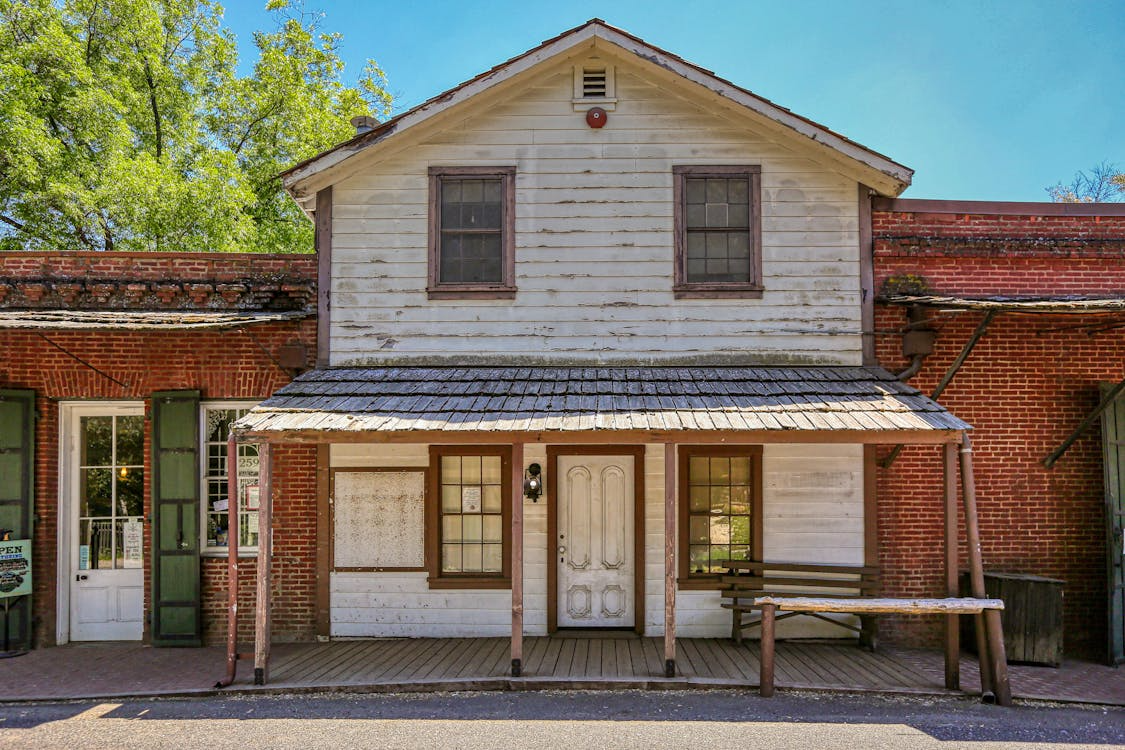
Wood siding has a lifespan—and unlike a fine wine, it doesn’t get better with age. Once it passes that point, no amount of paint will bring it back. Soft spots, spongy sections, visible decay, and wood that crumbles under light pressure are all clear signs that the material has structurally failed. Painting over rotting wood is just covering up a problem and hoping no one notices.
A simple test can confirm it. Take a screwdriver and press it gently into any discolored or weathered area. If it sinks in easily, the wood is no longer sound. At that stage, it’s no longer a cosmetic issue—it’s a replacement job.
If you’re in or near Seattle—where constant moisture can speed up this kind of damage—it’s worth getting a proper assessment before doing any surface work. Exterior Remodeling in Seattle focuses on identifying underlying structural issues so the problem is addressed at its source, not just covered up.
Fascia boards run along the roofline and support the gutters. Soffits close off the gap between the roofline and the exterior wall below it. Neither gets much attention until something goes wrong. When they start showing signs of damage, the consequences move fast.
Here is what compromised fascia, soffits, and gutters typically produce:
These are not isolated cosmetic issues. They are connected failures that compound quickly when ignored.
White chalky deposits on concrete or masonry are called efflorescence. They form when water moves through the material and carries dissolved salts to the surface. The staining itself is harmless. What it signals is not. Active water movement through your foundation or exterior masonry is a structural concern that paint cannot address.
Dark staining, green algae growth, or persistent damp patches low on exterior walls point to drainage problems, grading issues, or compromised waterproofing. These conditions worsen over time and become significantly more expensive to correct the longer they are left alone.
A deteriorating exterior affects more than appearances. Gaps in siding, failed window seals, and compromised insulation behind damaged walls all reduce your home's thermal performance. If your heating and cooling bills have crept up without an obvious explanation, the exterior envelope is worth investigating.
Stand near exterior walls on a cold or windy day. Drafts near outlets, window frames, or baseboards on exterior walls suggest air is moving through gaps in the building envelope. That is your energy budget leaking out through the walls.
There comes a point where patching stops making financial sense. If you are addressing the same areas repeatedly, dealing with multiple failure points across the exterior, or discovering that one repair keeps uncovering another problem underneath, the math shifts.
A full exterior renovation costs more upfront than another round of touch-ups. It also ends the cycle. New materials, properly installed with correct waterproofing and flashing, protect the home for decades rather than seasons. The right time to make that call is before the damage works its way inside, because once it does, the project scope and the budget both grow considerably.
Cosmetic damage sits on the surface and minds its own business. Soft wood, interior water stains, and paint that keeps failing in the same spot are structural issues wearing a costume. Get them properly assessed.
You can. You can also put a bandage on a broken leg. Paint over rotting wood fails fast, traps moisture, and speeds up the decay underneath. Replace it. The temporary fix rarely stays temporary.
Water moves through masonry, picks up dissolved minerals, and deposits them on the surface like an uninvited souvenir. The chalky stain is harmless. The moisture moving through your wall to create it absolutely is not.
Every three to five years under normal conditions. After a Pacific Northwest storm season, sooner. Your exterior takes a beating, so your interior does not have to. Checking in regularly keeps small problems from becoming expensive ones.
Ask any buyer's inspector. They will find the problems anyway, except now you are negotiating from a weaker position at the worst possible moment. Fix it first, price it confidently, and skip the last-minute renegotiation drama entirely.