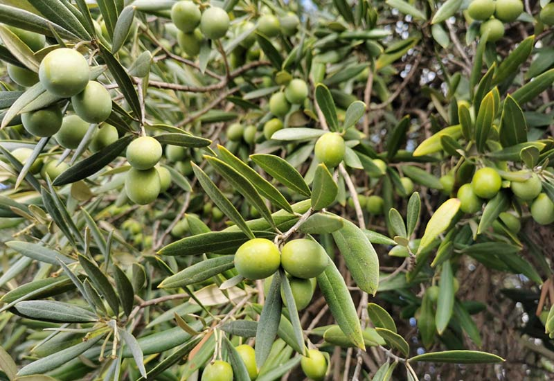
Olives are one of the most important crops in Mediterranean agriculture. They are valued both for table consumption and for olive oil production. The olive harvest time directly affects flavor, oil content, and overall yield. Fruit picked too early may produce oil with strong bitterness but lower volume, while fruit left on the tree too long can soften, spoil, or lose flavor.Regional climate, olive variety, and intended use all influence the ideal harvest window. Growers who carefully observe ripeness cues and local conditions achieve consistent quality and maximize output.
Early harvest usually occurs from late September to early October in most Mediterranean regions. Olives are firm and slightly bitter at this stage. Oil content is lower, but flavor is strong and pungent. These olives are ideal for high-quality extra virgin oil and green table olives, where firm texture is preferred.
The mid-harvest stage typically happens from mid to late October. Fruit shows a mix of green and purple hues. Flavor is balanced and oil content higher than in early harvest. This stage is often chosen for premium oil production, offering moderate yield with good flavor.
Late harvest generally takes place from November to early December. Fruit turns black and softens. Oil content reaches its peak, producing a milder, smoother oil. This stage is suitable for large-scale oil production where volume is prioritized over pungency.
Northern Mediterranean areas tend to harvest later due to cooler temperatures, while southern regions may harvest slightly earlier. Heavy rainfall or frost can shift harvest dates by one to two weeks. Observing weather trends is important to prevent losses and maintain quality.
Different cultivars, such as Arbequina, Picual, and Koroneiki, ripen at varying rates. Some mature earlier, while others remain firm longer. Variety affects both harvest time and the characteristics of the final product.
Olives for table use are picked earlier when firm, while riper olives are better for oil production. The intended product influences which stage of ripeness to target during harvest.
Temperature, rainfall, and frost impact ripening. Unexpected cold or rain can require adjusting harvest schedules by days or weeks. Growers must monitor conditions carefully to choose the right time.
Color change, texture, and oil content provide practical guidance. Observing these indicators helps determine the optimal harvest time for each orchard block.
Hand-picking preserves fruit integrity and reduces bruising. It is labor-intensive but suitable for small orchards or premium oil production.
Beating branches over nets increases speed but carries a higher risk of damaging fruit. It is still used in many traditional orchards.
Olives can be gathered efficiently with an olive harvester, which moves through the orchard without damaging the fruit. Trees of different shapes and sizes are easily reached, so collection proceeds faster and puts less strain on workers. Timing remains critical: fruit picked early delivers a sharper, more intense flavor, while later harvests produce higher oil content and larger yields.
Olives transition gradually from green to purple to black. Uniform coloration across the tree signals readiness for harvest.
Firm olives indicate early harvest, while softer fruit suggests later picking and higher oil content.
Field tests or small laboratory samples can estimate oil yield and guide harvest timing.
Observing fallen fruit helps identify trees that are ready. Excessive fallen olives indicate immediate harvesting may be needed.
Different orchard blocks are harvested according to ripeness. This prevents overripening and allows efficient labor allocation.
Harvesting during or immediately after heavy rain can reduce oil quality. Frost can damage unpicked fruit. Temperature and humidity forecasts guide scheduling.
Organizing workers and machinery according to orchard size and harvest windows ensures timely collection. Short windows require precise coordination.
Olives should be moved quickly to mills to preserve freshness. Delays reduce flavor and oil quality.
Removing leaves, twigs, and damaged fruit protects machinery and improves quality.
Fruit should be kept cool and handled gently to avoid bruising or fermentation. Proper post-harvest handling preserves acidity, aroma, and taste.
Picking too early or too late can compromise both flavor and oil content. Ignoring variety-specific ripening patterns or local climate variations may result in uneven harvests. Delaying transport or processing after picking can deteriorate fruit quality quickly. Awareness of these pitfalls helps growers maintain consistent outcomes season after season.
Knowing when to harvest olives is important for both quality and yield. Fruit variety, local climate, intended product, and observable indicators such as color, firmness, and oil content guide the decision. Careful scheduling and proper post-harvest handling preserve flavor, aroma, and oil content. By picking at the right stage and adjusting for weather and orchard conditions, growers can produce superior olive oil and high-quality table olives consistently.