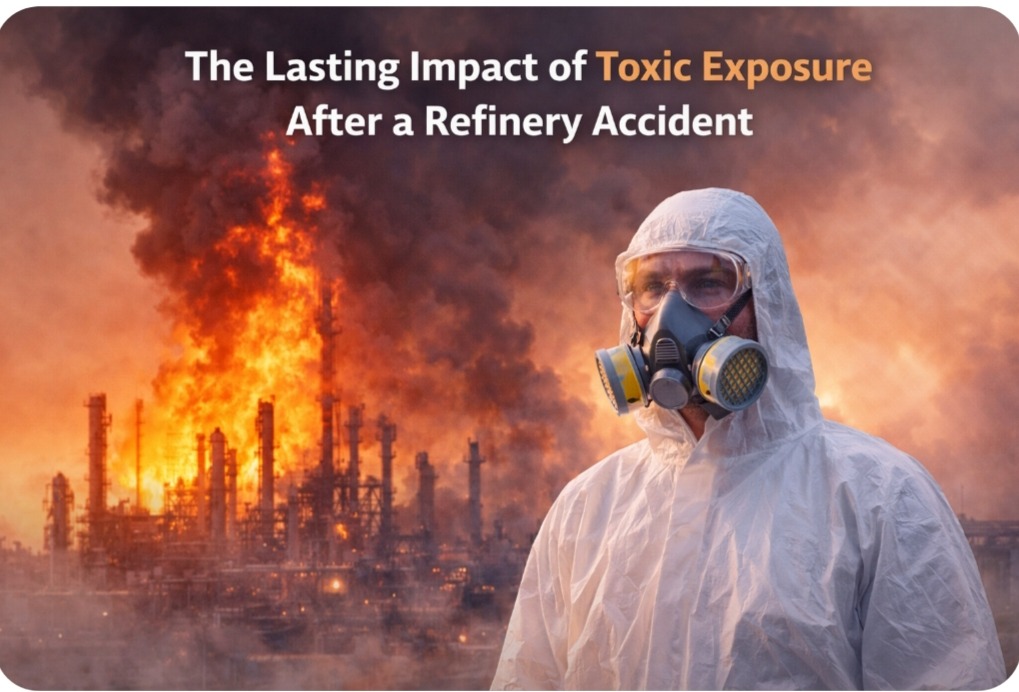
Refinery accidents are often associated with explosions and fires, but the damage does not always end when the flames are extinguished. In many cases, the most serious harm comes from toxic exposure—chemicals released into the air, soil, and surrounding communities that can linger long after the initial event. These invisible hazards can affect workers, nearby residents, and even first responders who were present during or after the incident.
While headlines may focus on the immediate destruction, the long-term health and environmental consequences are often more complex and far-reaching. Events like preventable refinery blasts in Deer Park highlight how critical it is to understand not just what happens during an accident, but what unfolds in the months and years that follow.
Refineries process hazardous substances such as crude oil, benzene, hydrogen sulfide, and other volatile chemicals. When an accident occurs, these substances can be released into the air as gases or particles, or seep into nearby land and water sources. Even after the immediate incident is contained, residual contamination can remain in the environment.
Exposure can happen in different ways. Workers may inhale fumes during or after the accident, while nearby residents may be exposed through air quality changes, contaminated water, or lingering chemical residues. Because many toxins are not visible or easily detectable, people may not realize they’ve been exposed until symptoms begin to appear.
Exposure to toxic substances after a refinery accident can cause symptoms that appear mild at first but may signal serious harm. Prompt recognition and medical evaluation are critical.
Even short-term exposure can lead to serious complications. Symptoms should not be dismissed, especially following a known industrial incident, as early treatment can reduce the risk of lasting damage.
The most serious consequences of toxic exposure often develop over time. Even when initial symptoms seem manageable, certain chemicals can lead to lasting or delayed health conditions.
For those living near refineries, repeated low-level exposure can compound these risks, especially when safety controls or monitoring systems are inadequate.
Toxic exposure doesn’t just affect individuals—it can reshape entire communities. Soil contamination can impact agriculture, while polluted water sources can disrupt daily life and long-term health. Air quality degradation can persist, particularly if cleanup efforts are delayed or incomplete.
Communities near refinery sites may also experience economic consequences. Property values can decline, businesses may suffer, and residents may face relocation challenges. These broader impacts highlight that refinery accidents are not isolated events—they create ripple effects that extend far beyond the facility itself.
After a refinery accident, cleanup efforts are critical in limiting long-term harm. This includes removing contaminated soil, treating water sources, and monitoring air quality over time. Without thorough remediation, toxins can continue to pose risks long after the initial incident.
Ongoing monitoring is equally important. Environmental agencies and responsible parties must track contamination levels and ensure that safety standards are met. When monitoring is inadequate or delayed, communities may remain unknowingly exposed to harmful substances.
Determining responsibility after a refinery accident can be complex. Investigations often focus on whether safety protocols were followed, whether equipment was properly maintained, and whether the incident could have been prevented. In many cases, negligence or regulatory violations play a role.
For affected individuals, pursuing accountability may involve demonstrating exposure, linking it to health effects, and proving that the accident resulted from preventable conditions. Legal claims can help address medical costs, lost income, and long-term damages, while also pushing for stronger safety standards to prevent future incidents.
If you believe you have been exposed to harmful substances after a refinery accident, taking prompt action is essential. Protecting your health and documenting your experience can make a significant difference in both medical and legal outcomes.
These steps can help ensure that exposure is properly identified and addressed, reducing the risk of long-term complications.
The true impact of a refinery accident often unfolds quietly, long after the initial event fades from public attention. Toxic exposure can alter lives in ways that are not immediately visible—through delayed illnesses, environmental damage, and ongoing uncertainty about safety. What may begin as a single industrial failure can evolve into years of health challenges and community disruption.
Understanding these risks is essential for both prevention and recovery. When safety measures fail, the consequences extend far beyond the moment of impact, underscoring the need for accountability, proper oversight, and continued vigilance to protect those most at risk.