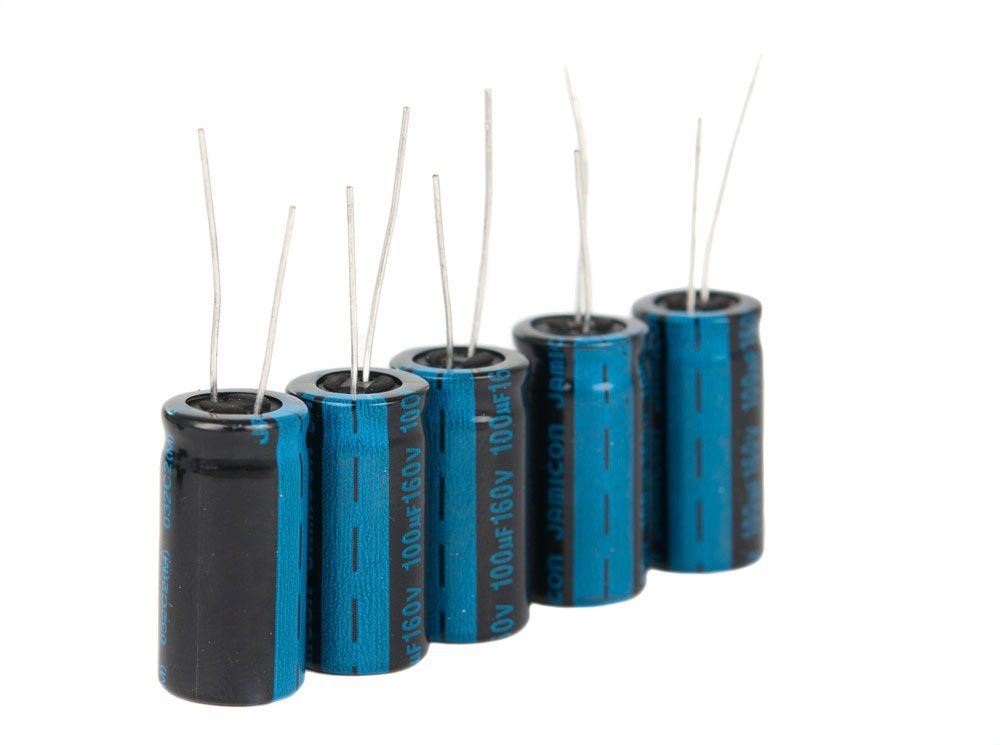
The global push toward cleaner energy and faster, more efficient power storage has brought supercapacitors into the spotlight. These advanced energy storage devices are being explored for electric vehicles, renewable energy systems, consumer electronics, and industrial applications where rapid charging and long cycle life are essential. At the heart of many high-performance supercapacitors lies activated carbon, and increasingly, coconut shell activated carbon is emerging as a preferred material due to its unique pore structure, purity, and sustainability advantages.
Within the energy storage supply chain, working with a reliable industrial activated carbon manufacturer is critical to ensure consistent performance, controlled material properties, and long-term reliability in supercapacitor electrodes. As technology continues to evolve, activated carbon is no longer just a filtration medium—it is becoming a foundational component in the future of high-efficiency power systems.
In this article, we’ll explore how coconut shell activated carbon is shaping the next generation of supercapacitors, why its physical and chemical characteristics matter, and how its applications extend beyond traditional uses into advanced energy storage solutions.
Supercapacitors, also known as ultracapacitors, bridge the gap between conventional capacitors and lithium-ion batteries. While batteries store large amounts of energy and release it slowly, supercapacitors are designed for rapid energy storage and discharge, making them ideal for applications that demand quick power bursts.
They are increasingly being explored in:
However, the efficiency of a supercapacitor depends heavily on the electrode material used to store electrical charge. This is where activated carbon plays a central role.
Activated carbon functions as the primary electrode material in many supercapacitors due to its exceptionally high surface area and porous structure. These microscopic pores allow ions from the electrolyte to adsorb on the carbon surface, creating what is known as an electric double layer, which stores electrical energy.
The greater the surface area and optimised pore distribution, the higher the charge storage capacity. In simple terms, engineered carbon structure results in better energy performance.
Key reasons activated carbon is widely used include:
Among various sources of activated carbon, coconut shell-based carbon stands out for both performance and sustainability.
Coconut shell activated carbon is produced by carbonising and activating coconut shells under controlled conditions. This natural raw material offers several advantages compared to coal or wood-based carbons.
Coconut shell carbon naturally forms a dense network of micropores, which are especially effective for ion adsorption in supercapacitor electrodes. These pores provide:
Because coconut shells contain fewer inorganic impurities, the resulting activated carbon typically has very low ash content. This is crucial in electrochemical applications, as impurities can increase resistance and reduce lifespan.
Coconut shell carbon is harder and more durable than many alternatives, helping maintain electrode integrity through repeated charge cycles.
In supercapacitor manufacturing, activated carbon is processed into fine powders and combined with binders to form electrode layers. These electrodes are responsible for:
According to technical data from supercapacitor carbon development, coconut shell-based activated carbon can offer large surface areas, optimised pore structures, low internal resistance, and improved cycle stability, all of which directly influence how efficiently a supercapacitor performs over time.
Rather than being a passive material, activated carbon actively determines:
While laboratory and industrial testing shows promising results for coconut shell activated carbon in supercapacitor applications, it’s important to present these developments accurately.
Activated carbon does not automatically guarantee superior performance in every configuration. Its effectiveness depends on:
However, when engineered correctly, coconut shell activated carbon has demonstrated strong potential to enhance:
These characteristics make it a compelling material for next-generation energy storage technologies without overstating unverified breakthroughs.
One of the most compelling aspects of coconut shell activated carbon is its environmental profile.
Coconut shells are an agricultural byproduct, meaning they:
In a world increasingly focused on carbon neutrality and green manufacturing, activated carbon derived from renewable biomass sources aligns well with sustainable technology goals.
Supercapacitors paired with renewable carbon materials create a more environmentally responsible energy storage solution—an important consideration as demand scales globally.
While supercapacitors represent an exciting frontier, activated carbon continues to play a vital role across multiple industries, including:
This versatility highlights activated carbon’s unique physical chemistry and reinforces why research and innovation around carbon materials continue to grow.
In energy storage alone, activated carbon is now being explored not just in supercapacitors, but also in hybrid systems and advanced battery technologies where surface interaction and conductivity matter.
Not all activated carbon is suitable for supercapacitors. High-performance energy storage requires:
This is why modern manufacturers invest heavily in research, development, and proprietary activation processes to tailor carbon specifically for electrochemical performance.
Properly engineered coconut shell activated carbon ensures:
Without this level of material control, even high-surface-area carbon may fall short in real-world applications.
As renewable energy adoption accelerates and electric mobility continues to expand, demand for fast-charging, long-life energy storage solutions will grow rapidly.
Supercapacitors are expected to play a complementary role alongside lithium-ion batteries, particularly in:
Coconut shell activated carbon is well-positioned to remain a key material in this evolution due to:
Ongoing research will likely refine pore engineering, surface functional groups, and electrode fabrication methods to further enhance performance.
Coconut shell activated carbon is no longer just a filtration material—it is becoming a critical building block in the future of advanced energy storage technologies. Through its high surface area, optimised pore structure, purity, and durability, it enables supercapacitors to store and release energy rapidly, efficiently, and reliably.
While continued research is essential to refine performance and validate long-term results across different systems, current developments clearly highlight the central role activated carbon plays in modern supercapacitor design. Its sustainability advantages further strengthen its position as industries seek cleaner, more responsible energy solutions.
As the world moves toward faster, greener, and smarter power technologies, coconut shell activated carbon stands out as a natural material driving extraordinary innovation—quietly powering the next generation of supercapacitors and shaping the future of energy storage.