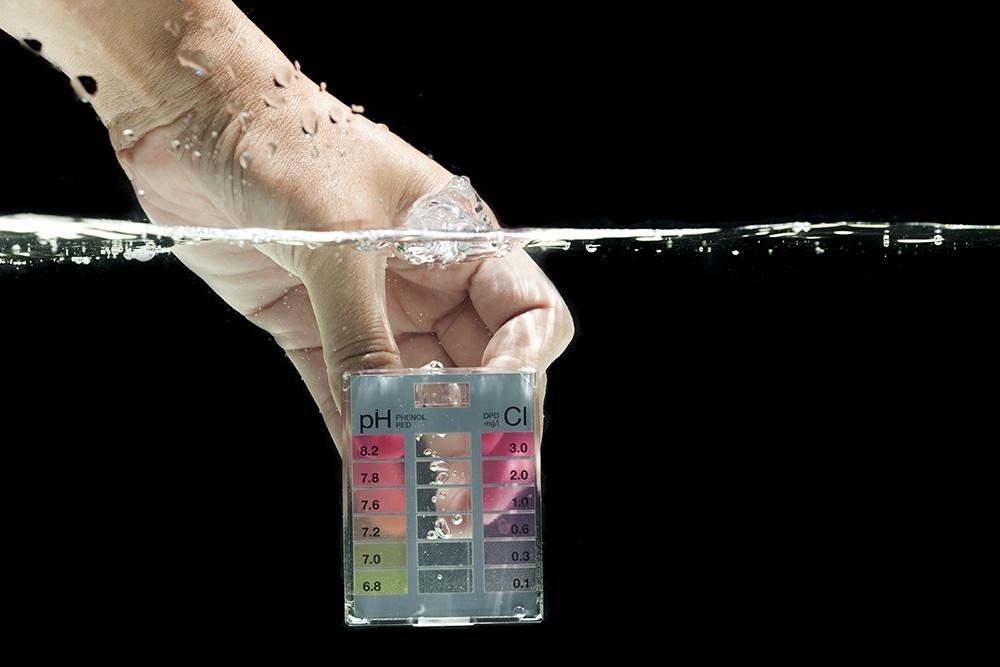
Water pH is a critical parameter that determines the acidity or alkalinity of water. Measured on a scale from 0 to 14, pH levels influence chemical reactions, biological processes, and overall water quality. A pH value below 7 indicates acidic conditions, while a value above 7 represents alkaline conditions. Maintaining balanced water pH is essential across various industries, including wastewater treatment, aquaculture, agriculture, and environmental monitoring.
Even minor fluctuations in water pH can lead to significant consequences. For example, in aquaculture, improper pH levels can stress aquatic organisms, reduce growth rates, and even cause mortality. In irrigation systems, unbalanced pH can affect nutrient availability in soil, impacting crop yield and health. Similarly, in wastewater treatment, pH plays a crucial role in ensuring efficient chemical reactions and regulatory compliance.
Given the importance of maintaining optimal pH levels, continuous and accurate monitoring becomes essential. Traditional manual testing methods are often time-consuming, prone to human error, and unsuitable for real-time monitoring. This is where online pH monitoring systems come into play.
Reliable sensor design remains a key factor in maintaining stable water quality monitoring over time. Sensors deployed in the field must withstand harsh environmental conditions, including temperature fluctuations, chemical exposure, and biofouling. Inaccurate readings or sensor drift can lead to poor decision-making and system inefficiencies.
Modern water management systems increasingly rely on automated, real-time monitoring solutions. These systems not only provide accurate data but also enable timely adjustments, ensuring optimal performance and reducing operational risks.
Despite technological advancements, long-term water pH monitoring still presents several challenges:
Over time, pH sensors can drift due to aging components or contamination. Regular calibration is necessary to maintain accuracy, but frequent maintenance can increase operational costs.
Factors such as temperature changes, suspended solids, and chemical interference can affect sensor performance. These variables make it difficult to obtain consistent and reliable readings.
Sensors used in wastewater or industrial applications are often exposed to corrosive substances. Without robust design, sensors may degrade quickly, leading to frequent replacements.
The accumulation of biological material on sensor surfaces can reduce sensitivity and accuracy. This is especially common in natural water bodies and aquaculture systems.
Environmental monitoring equipment manufacturers have continuously worked to improve the durability and stability of pH sensors for long-term deployment. Innovations in materials, electrode design, and protective coatings have significantly enhanced sensor performance.
Modern pH sensors are designed with features such as automatic temperature compensation, anti-fouling coatings, and robust housing materials. These improvements help ensure accurate measurements even in challenging environments.
Additionally, integration with digital systems allows for remote monitoring, data logging, and predictive maintenance. This reduces the need for manual intervention and enhances overall system efficiency.
In this context, the Renkeer pH sensor stands out as a reliable solution for continuous water pH monitoring. Specifically engineered for weakly acidic and weakly alkaline water environments, this sensor addresses many of the common challenges associated with long-term monitoring.
The sensor is built with durable materials that can withstand harsh environmental conditions. This makes it suitable for applications such as wastewater treatment plants, aquaculture farms, and irrigation systems.
The Renkeer pH sensor is designed to provide consistent and accurate readings over extended periods. Its advanced electrode technology minimizes drift, reducing the need for frequent calibration.
With built-in temperature compensation and protective design, the sensor maintains reliable performance even in fluctuating conditions.
The sensor’s durable construction and anti-fouling features contribute to a longer operational lifespan, lowering maintenance and replacement costs.
Accurate pH monitoring ensures that chemical treatment processes function effectively and comply with environmental regulations.
Maintaining stable pH levels is essential for the health and growth of aquatic organisms. Continuous monitoring helps prevent sudden changes that could harm fish or other species.
Proper pH levels improve nutrient absorption in plants, leading to better crop yield and soil health.
Monitoring natural water bodies helps detect pollution and maintain ecological balance.
Water pH monitoring is a fundamental aspect of modern water management. As industries continue to demand higher efficiency and sustainability, the need for reliable and accurate pH sensors becomes increasingly important.
The Renkeer pH sensor represents a significant advancement in this field, offering durability, stability, and precision for continuous monitoring applications. By addressing common challenges such as sensor drift, environmental interference, and maintenance requirements, it provides a dependable solution for maintaining optimal water quality.
Investing in reliable pH monitoring technology not only improves operational efficiency but also supports environmental protection and resource sustainability.