Home renovation projects are exciting. A fresh kitchen, a remodeled bathroom, or a new HVAC system can completely transform your living space. But for many homeowners, the final bill ends up far higher than expected. What starts as a well-planned budget often spirals out of control, not because of bad intentions, but because of costs that nobody warned them about.
Understanding where these hidden expenses come from is the first step to protecting your wallet.
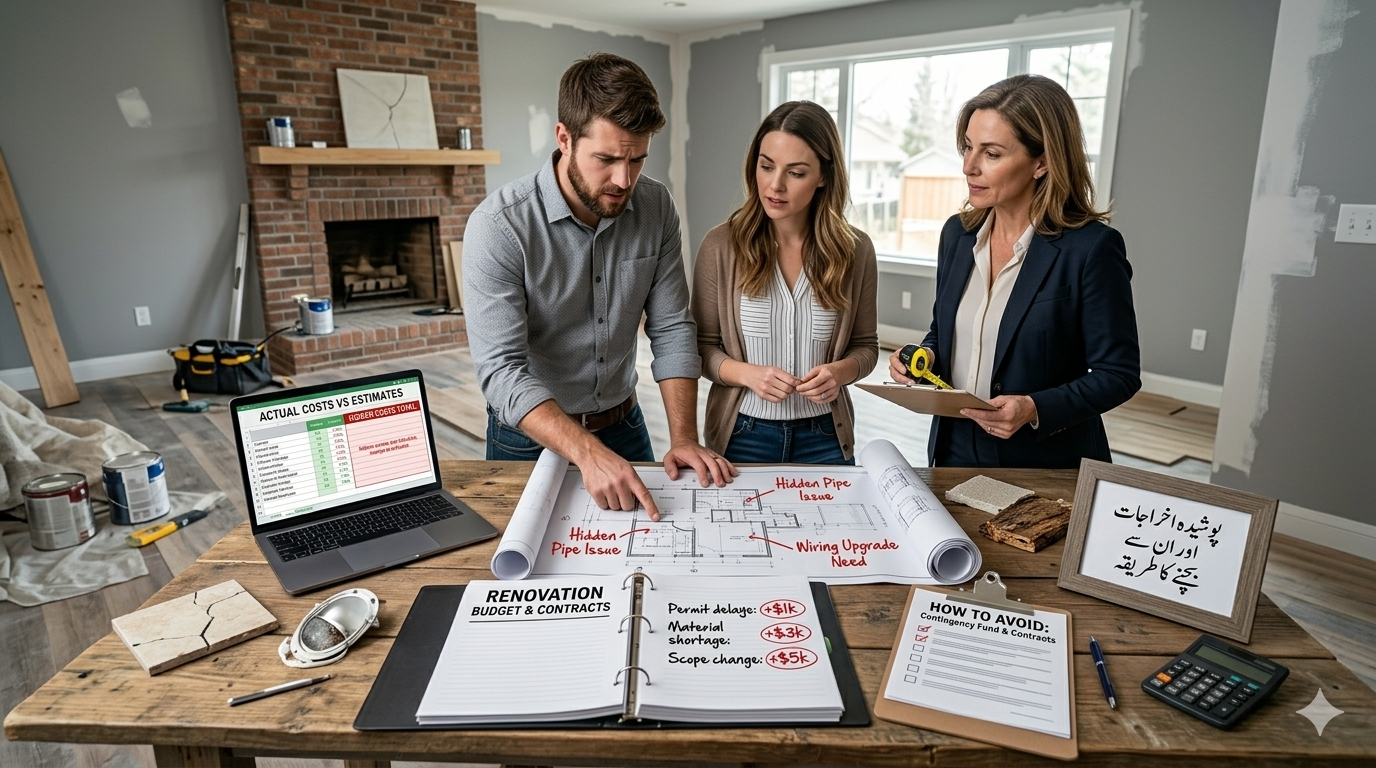
Once contractors open up walls, ceilings, or floors, they often discover problems that were invisible during the initial walkthrough. Rotting wood, outdated wiring, water damage, mold, or weak foundations can all emerge mid-project. These issues cannot be ignored, and fixing them adds unplanned costs immediately.
How to avoid it: Before starting any major renovation, invest in a professional home inspection. A thorough inspection report gives you a clearer picture of what might be lurking beneath the surface, so surprises become expectations instead.
Many homeowners skip the permit process thinking it will save time and money. In reality, unpermitted work can lead to heavy fines, forced demolition of completed work, or serious problems when selling the home later.
Permit fees vary by city and project scope, and bringing older homes up to current building codes during renovation can add significant costs that were never part of the original estimate.
How to avoid it: Always ask your contractor which permits are required before work begins. Factor those fees into your initial budget, not as an afterthought.
Heating, ventilation, and air conditioning work is one of the most commonly underestimated parts of any home renovation. When walls are opened or room layouts change, existing ductwork may need to be rerouted, resized, or entirely replaced. Many homeowners receive a shocking HVAC bill simply because they did not account for how renovation changes affect the entire system.
This is exactly why working with professional HVAC estimators early in the planning process matters so much. They assess your existing system, identify what changes the renovation will require, and give you a realistic cost picture before a single wall comes down.
How to avoid it: Include HVAC evaluation in your pre-renovation checklist, not as an afterthought once framing is already underway.
The price you see for materials today may not be the price when your contractor actually purchases them. Supply chain issues, seasonal demand, and market shifts can cause lumber, tiles, fixtures, and appliances to increase in cost between the time you plan and the time work begins.
How to avoid it: Lock in material prices early when possible. Ask your contractor if they can purchase key materials at the time of contract signing rather than waiting until installation day.
If your kitchen is being gutted for six weeks, you will be eating out. If bathrooms are under construction, temporary accommodations may be necessary. These day-to-day living costs during renovation are real expenses that rarely appear in any contractor quote.
How to avoid it: Estimate how long each phase will disrupt daily life and budget accordingly. Factor in meals, temporary storage for furniture, and potential hotel nights if renovation is extensive.
One of the biggest mistakes homeowners make is treating the initial quote as the final number. A rough verbal estimate and a detailed written breakdown are two very different things. Vague quotes lead to vague results and unexpected invoices.
Using residential estimation services before committing to any contractor ensures you receive a comprehensive, itemized breakdown of every cost involved, from labor and materials to permits and contingency allowances. This kind of detailed upfront planning is what separates renovations that stay on budget from those that become financial nightmares.
Even with the best planning, unexpected costs arise. Industry professionals consistently recommend setting aside 10 to 20 percent of your total renovation budget as a contingency fund. This buffer covers the small surprises that do not make it into any estimate but almost always show up during real construction.
How to avoid it: Treat the contingency fund as a non-negotiable line item, not optional savings. If you do not use it, consider it a win.
Home renovation does not have to be a financial ambush. The homeowners who come out ahead are not necessarily the ones with the biggest budgets. They are the ones who asked the right questions early, hired the right professionals, and planned for the unexpected before it happened.
A little patience in the planning phase saves a lot of pain during construction. Know what you are getting into, get everything in writing, and never underestimate the value of expert guidance before the first nail is ever driven.