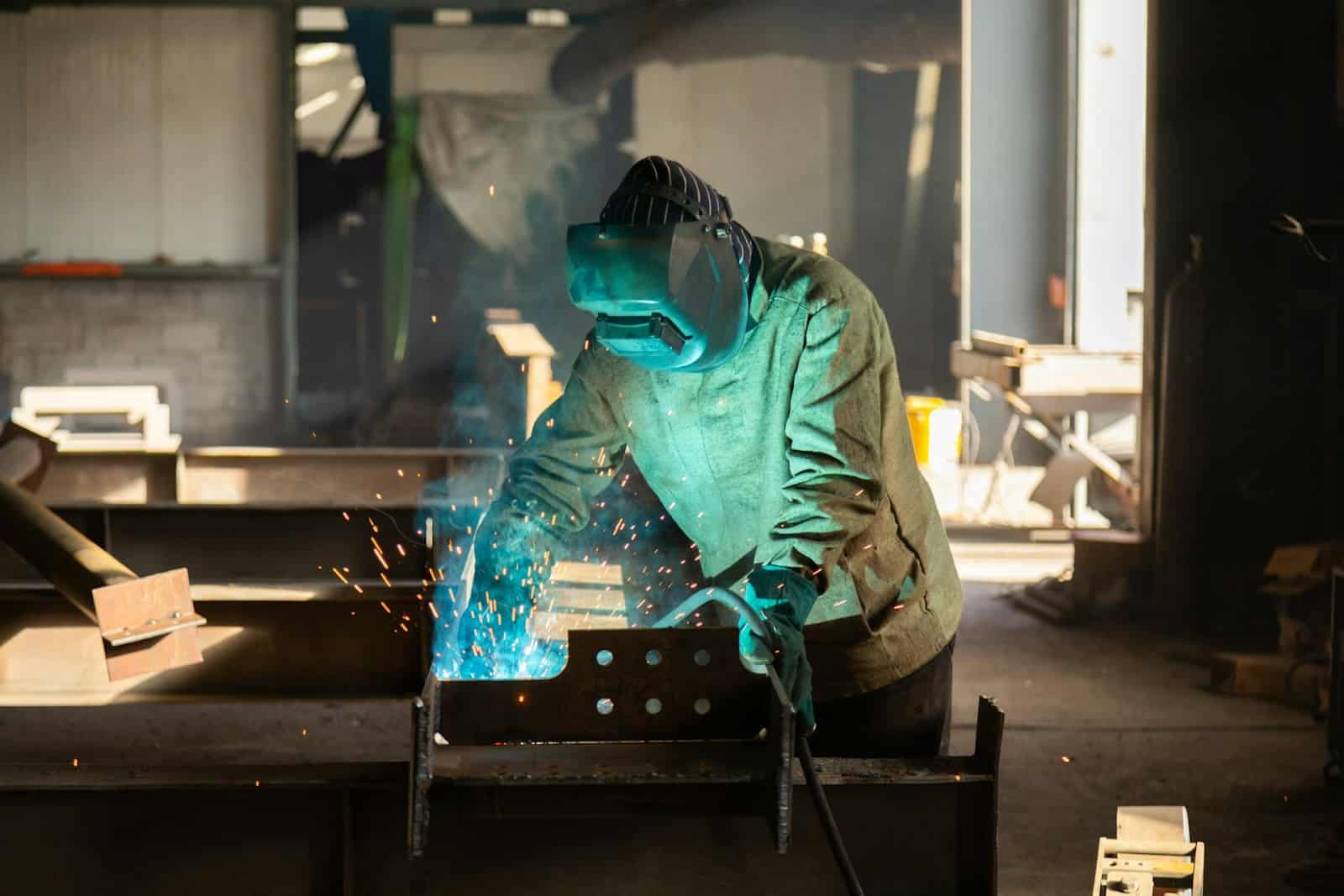
A MIG welding machine is an essential tool for both hobbyists and professional welders. However, like any equipment, it can develop problems that interrupt work and reduce efficiency. Learning how to perform MIG welding troubleshooting is crucial to avoid downtime and maintain the quality of your welds. Common issues include wire feeding problems, poor arc performance, and uneven welds. Understanding how to identify and fix these problems ensures that your mig welding machine operates smoothly and safely. This guide will walk you through practical solutions for common issues, making your welding tasks easier and more productive. With a little attention to maintenance and troubleshooting, you can keep your MIG welder in top condition.
Wire feeding problems are one of the most common challenges welders face. If the wire is not feeding properly, it can stop your project and cause poor weld quality. This often happens due to a dirty or worn drive roller, incorrect tension settings, or a clogged liner in the mig welding machine. To fix it, first inspect the drive roller for wear or debris and clean it thoroughly. Next, check the tension on the wire spool—too tight or too loose tension can disrupt feeding. Finally, inspect the liner in the welding gun for bends or blockages that can slow the wire. Ensuring the wire spool rotates freely and is properly installed will also prevent feeding issues. Proper maintenance here keeps welding smooth and consistent.
A weak or inconsistent arc can make welding difficult and produce subpar results. Poor arc performance often results from incorrect voltage settings, dirty surfaces, or a faulty contact tip. For MIG welding troubleshooting, start by checking the voltage and wire speed on your mig welding machine, making sure they match the material and thickness you are welding. Next, clean the metal surface to remove rust, oil, or paint that can interfere with the arc. Inspect the contact tip for wear or damage, replacing it if necessary. Proper grounding is also crucial, as a bad ground connection can reduce arc stability. Following these steps helps restore a strong, consistent arc for better weld quality.
Excessive spatter or uneven weld beads are common problems that can affect the appearance and strength of your welds. These issues often occur due to incorrect settings, improper technique, or contamination. For MIG welding troubleshooting, check the wire feed speed and voltage settings on your mig welding machine, adjusting them for the material type. Ensure the welding gun angle is correct and maintain a steady travel speed. Clean the surface of the metal thoroughly before welding to remove dirt, oil, or rust. Using the right shielding gas and nozzle can also minimize spatter. By combining correct settings and proper technique, you can achieve clean, even weld beads with minimal spatter.
Overheating is a serious problem that can damage your mig welding machine and create safety hazards. Continuous use at high settings or poor ventilation often causes this issue. For MIG welding troubleshooting, make sure your welder is allowed to cool between heavy welding sessions. Inspect the machine for dust and debris, cleaning the internal components if necessary. Ensure proper airflow around the unit and avoid welding in confined, hot spaces. Overheating can also result from incorrect voltage or wire feed settings, so verify these parameters before starting. Taking these precautions helps protect the machine and maintain consistent welding performance.
Inconsistent or insufficient shielding gas can lead to weld defects like porosity, poor penetration, or weak welds. Gas flow issues are often caused by leaks, damaged hoses, or incorrect regulator settings on your mig welding machine. For effective MIG welding troubleshooting, check all connections for leaks using soapy water and tighten or replace any faulty parts. Verify the gas cylinder is not empty and adjust the regulator to the correct flow rate. Ensure the nozzle is clean and free of debris, as blockages can restrict gas coverage. Proper shielding gas flow ensures strong, clean welds and reduces common MIG welding defects.
Electrical problems in a mig welding machine can disrupt welding and pose safety risks. Common causes include loose connections, worn cables, or faulty switches. For MIG welding troubleshooting, always inspect power cables and connectors for signs of wear or damage. Ensure the welding machine is plugged into a properly grounded outlet. Check the connections to the welding gun and work clamp for tightness and continuity. Regular inspection and maintenance prevent unexpected electrical failures and help maintain consistent weld quality. Safety should always be the top priority when dealing with electrical components.
Troubleshooting a mig welding machine doesn’t have to be complicated. By understanding common problems like wire feeding issues, poor arc performance, spatter, overheating, gas flow, and electrical faults, welders can maintain smooth operation and high-quality welds. Regular maintenance, proper settings, and careful inspection are key to avoiding downtime and costly repairs. Applying these MIG welding troubleshooting tips ensures that your welding machine remains reliable and efficient. Following this guide will not only solve existing issues but also help prevent future problems, making your welding projects safer, faster, and more productive.