Have you ever heard someone say you should unplug your chargers when they’re not in use to save electricity? Many people believe that leaving phone chargers, laptop adapters, and other electronics plugged in wastes energy and increases electricity bills.
This idea is often connected to something called “phantom energy” or “vampire power.” But how much electricity do unused chargers actually consume? And is unplugging them really worth the effort?
In this article, we’ll explore what phantom energy is, how much electricity idle chargers use, and whether unplugging them makes a meaningful difference in your electricity bill.
Phantom energy, also known as standby power, refers to the electricity that devices consume even when they are turned off or not actively being used.
Many electronic devices draw small amounts of power while in standby mode because they are designed to:
Common sources of phantom energy include:
While each device uses only a small amount of electricity, the combined effect of multiple devices can add up over time.
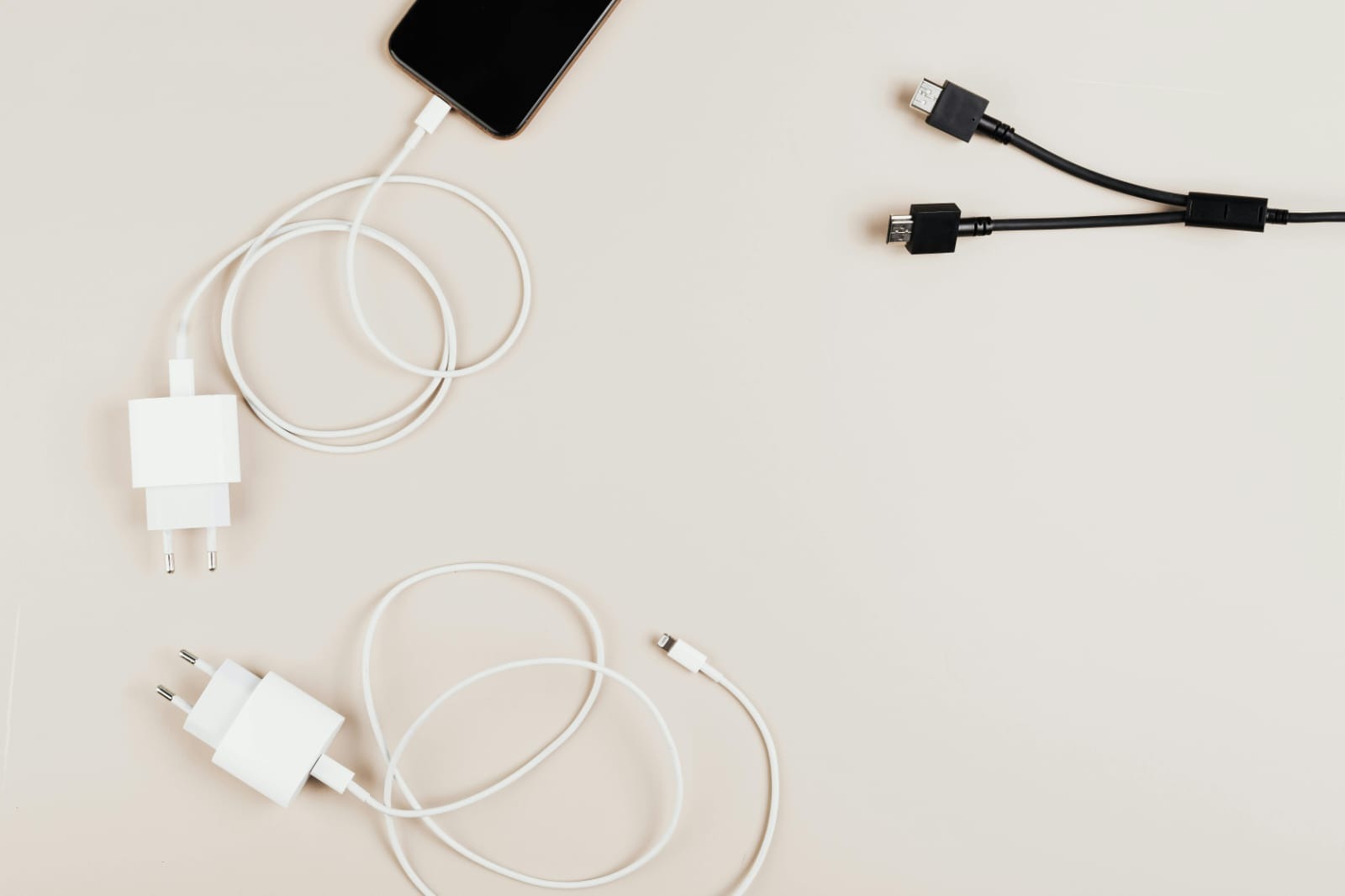
Yes, chargers can use a small amount of electricity even when they are not connected to a device.
This happens because most chargers contain transformers and electronic components that draw a tiny amount of power from the outlet while waiting to charge a device.
However, the amount of electricity used is extremely small.
Typical standby energy consumption for a phone charger is:
To put this in perspective:
Modern chargers are also designed to be more energy-efficient than older models, meaning phantom energy from chargers today is much lower than it used to be.
Although phantom energy sounds concerning, the real cost is usually quite small for individual devices.
Let’s take a simple example.
If a charger uses 0.3 watts of standby power:
If electricity costs $0.15 per kWh, the yearly cost would be around:
$0.39 per charger per year
Even if you had five chargers plugged in all year, the total cost would still likely be under $2 annually.
Compared to major electricity consumers like air conditioners or water heaters, phantom energy from chargers is almost insignificant.
Even though individual chargers use very little electricity, phantom energy can still matter when many devices are involved.
Studies estimate that standby power can account for 5–10% of residential electricity consumption in some households.
This includes devices such as:
When combined, these devices can quietly use electricity 24 hours a day, increasing overall energy consumption.
For homeowners trying to reduce electricity costs, understanding where energy is being used can help identify meaningful savings opportunities.
In some cases, comparing energy plans and understanding electric supplier rates ohio residents pay can also help lower overall electricity expenses more effectively than focusing only on small phantom loads.
The honest answer is: it depends on your goal.
Unplugging phone chargers alone won’t significantly reduce your electricity bill. The savings are simply too small to make a noticeable difference.
Unplugging devices can still be part of good energy habits. Reducing standby power across many devices can contribute to overall energy conservation.
In rare cases, unplugging chargers may reduce potential risks related to overheating or damaged charging cables.
In general, unplugging unused chargers is a good habit but not a major money saver.
If you want to minimize standby power in your home, there are a few practical steps that can help.
Smart power strips automatically cut electricity to devices when they are not in use. This can eliminate standby power from multiple electronics at once.
Devices like gaming consoles, cable boxes, and desktop computers tend to use more standby energy than chargers.
Some devices remain partially active even when “off.” Using a power strip or switching them off completely can reduce energy use.
Look for appliances and electronics that meet ENERGY STAR standards, which are designed to minimize standby energy consumption.
Devices with constant connectivity or displays often use the most standby power. These include cable boxes, gaming consoles, desktop computers, printers, and smart home devices.
Yes, but the amount is extremely small—typically less than half a watt. The yearly cost of leaving a charger plugged in is usually only a few cents.
Not usually. Larger appliances like heating systems, air conditioners, water heaters, and dryers are far more likely to increase electricity bills.
In most cases, yes. Modern chargers are designed with safety protections. However, damaged or low-quality chargers should be replaced to avoid potential hazards.
Yes, unplugging devices eliminates standby power completely. However, the savings depend on how much electricity the device uses in standby mode.
Using smart power strips is one of the easiest solutions. They allow you to cut power to multiple electronics at once without manually unplugging each device.
Phantom energy is real, but its impact is often misunderstood. While chargers and small electronics do draw a small amount of standby power, the cost of leaving them plugged in is usually just a few cents per year.
Unplugging chargers can still be a good energy habit, but it won’t drastically lower your electricity bill on its own. If your goal is meaningful savings, it’s better to focus on high-energy appliances and overall energy efficiency.
By understanding how standby power works and managing larger energy users in your home, you can make smarter decisions that truly reduce electricity consumption over time.