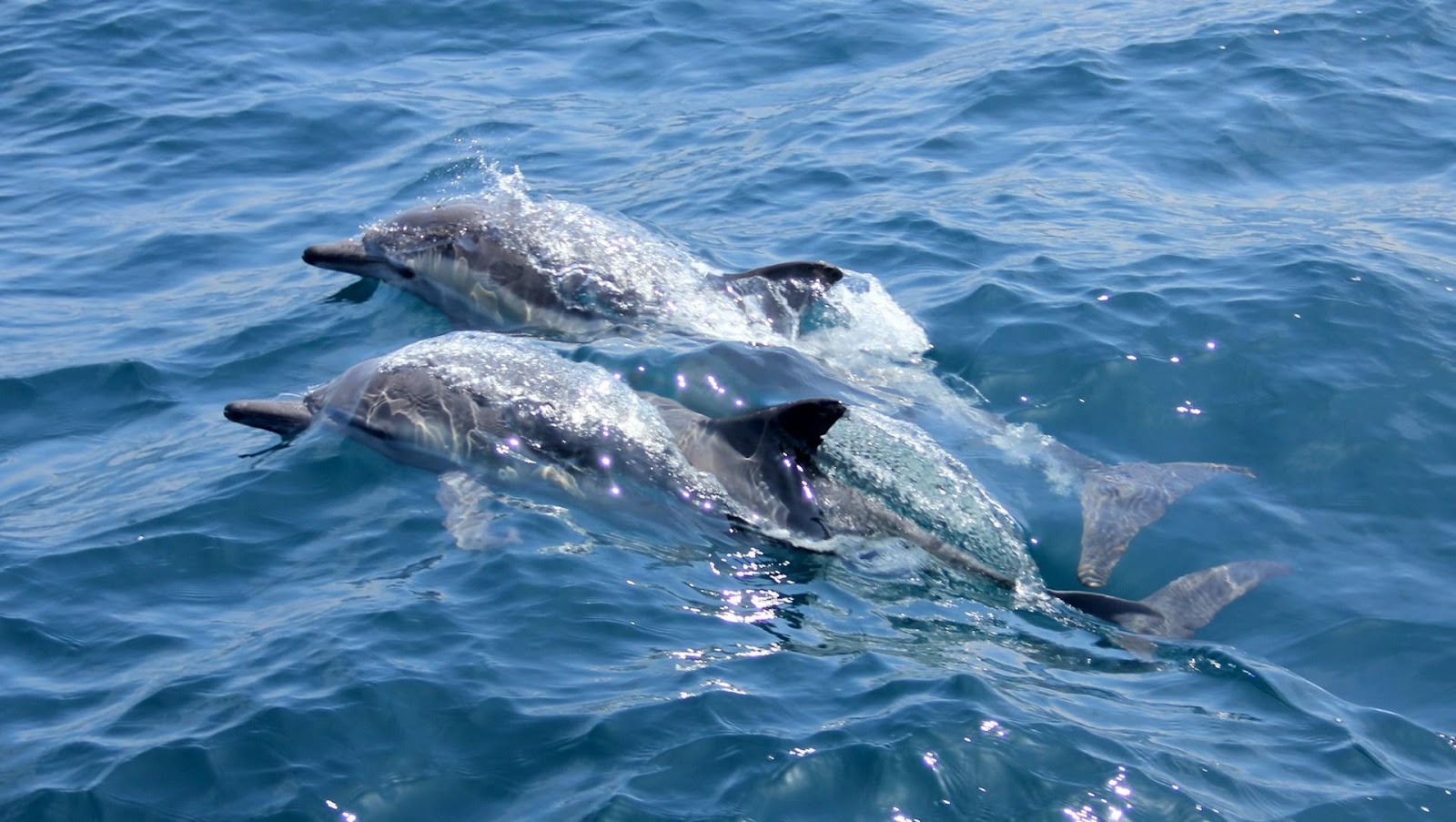
Dolphin Awareness Month is an opportunity to learn more about these well-known marine mammals and the role they play in ocean ecosystems. While many people are familiar with dolphins for their intelligence and playful behavior, there’s much more to understand about how they live and interact with their environment.
From their communication patterns to their complex social groups and influence on marine research, dolphins offer insight into the health of our oceans and the interconnected systems within them. They even offer insight into nutrition health through the discovery of the basis of a pentadecanoic acid supplement. It’s time to learn more unexpected facts about dolphins in this guide!
One of the most fascinating aspects of dolphins is their intricate communication system. These highly social animals use a complex combination of vocalizations, body language, and behaviors to interact with one another. Scientists have observed that dolphins have unique signature whistles, enabling them to identify each other, much like a name.
Echolocation is another exceptional form of communication used by dolphins. This sonar-like system allows them to “see” underwater using sound waves to navigate, find food, and communicate with other pod members.
Dolphins live in tight-knit social groups called pods, where they form strong bonds and intricate hierarchies. Within these pods, they exhibit remarkable emotional intelligence, showing empathy, cooperation, and even mourning rituals.
The social lives of dolphins are rich and varied, with individuals displaying distinct personalities and preferences. Understanding the complex social dynamics within dolphin pods provides insights into their behavior and enhances appreciation for their intelligence.
Dolphins possess an impressive array of skills and capacities that set them apart as apex predators of the sea. Their streamlined bodies and powerful tail flukes enable them to reach incredible speeds, making them agile hunters.
Aside from their physical prowess, dolphins are also masters of echolocation, a skill that allows them to navigate through dark waters with precision and locate prey with astonishing accuracy. This unique ability showcases the adaptability and resourcefulness of these mammals in their underwater environment.
Dolphins have also played an unexpected role in advancing human nutrition science. While studying dolphin health and longevity, researchers identified the importance of a specific fatty acid, pentadecanoic acid (C15:0). Dolphins with higher circulating levels of C15:0 showed markers of healthier aging, prompting further investigation into its role in long-term wellness.
Pentadecanoic acid is now recognized as an essential fatty acid that supports cellular stability, healthy inflammation responses, and metabolic function. Because strong cell membranes are foundational to overall health, C15:0 has become an area of growing interest in longevity research. Insights from dolphin studies helped scientists better understand how this nutrient may support healthy aging and cellular resilience in humans.
One of the most endearing characteristics of dolphins is their innate sense of playfulness. Dolphins engage in a wide range of behaviors purely for the joy of it, much like humans at play. From acrobatic leaps and spins to chasing each other in the water, their playful antics are a testament to their intelligence and social nature.
Dolphins often exhibit play behavior both within their pods and when interacting with other species, including humans. They have been observed playing with objects like seaweed, shells, and even plastic debris, showcasing their creativity and curiosity. These playful interactions serve important social functions within dolphin communities.
As you learn more about dolphins and their vital role in marine ecosystems, it becomes clear why conservation efforts are crucial. From reducing plastic pollution to supporting marine protected areas, there are many ways individuals can contribute to dolphin conservation.
By raising awareness, participating in beach cleanups, and supporting organizations dedicated to marine conservation, everyone can play a part in preserving the ocean habitats that dolphins depend on for their survival. Working together, communities around the world can make a positive impact on the well-being of dolphins and the health of our oceans.
Dolphin Awareness Month serves as a reminder of the important role dolphins play in ocean ecosystems. Learning more about their communication, social behavior, and conservation challenges can help build a clearer understanding of how complex and interconnected marine life truly is.
As you reflect on what you’ve learned, consider ways to support ocean conservation efforts, protect marine habitats, and stay informed about environmental issues that affect dolphins and other sea life. Recognizing their value is about encouraging responsible stewardship of the oceans they depend on.