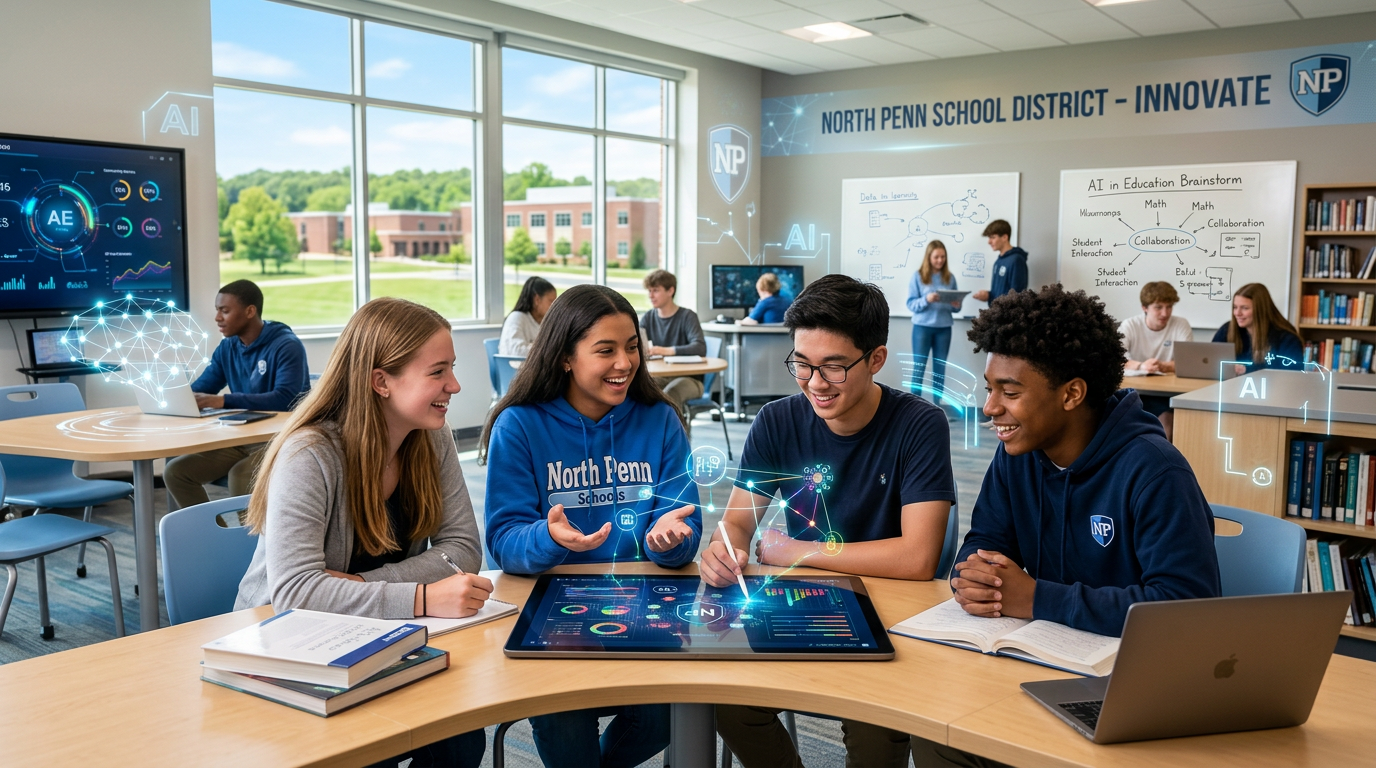
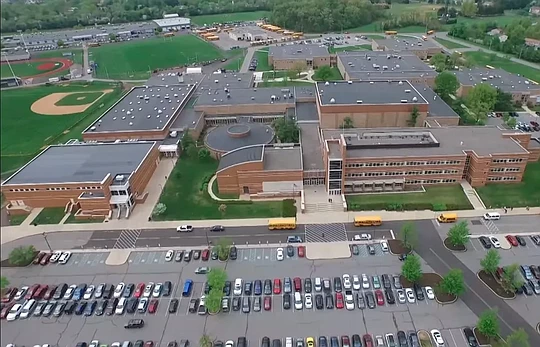
As the morning bell rings at North Penn High School, the sound of laptop hinges opening has become as synonymous with education as the scratching of pencils. For the thousands of students across the North Penn School District (NPSD), technology is no longer an elective; it is the infrastructure of their daily lives. However, a new player has entered the classroom—Generative AI—and its arrival is sparking a significant conversation among parents, educators, and community leaders in Lansdale and Hatfield.
From automating administrative tasks to providing real-time feedback on student essays, Artificial Intelligence is shifting the educational landscape of Montgomery County. While some view it as a revolutionary tool for STEM education, others worry about its impact on critical thinking and social development. This article explores how our local school district is navigating this digital frontier.
The introduction of Generative AI into the North Penn School District did not happen overnight, but its presence became undeniable with the rise of tools like ChatGPT. Unlike previous iterations of educational software that functioned as digital textbooks, modern AI interacts with students, answering complex questions and even drafting code. For the North Penn Knighthawks, who are already accustomed to a 1:1 environment with Chromebooks in schools, the leap to AI felt natural, if not inevitable.
District administrators have been proactive, recognizing that banning the technology is less effective than teaching Digital Literacy. NPSD leadership has focused on creating frameworks that encourage "AI-enhanced" learning rather than "AI-dependent" shortcuts. This involves training sessions for staff to understand how large language models function and how they can be harnessed to support the district's rigorous curriculum.
The conversation in Montgomeryville and North Wales isn't just about the software itself, but about equity. NPSD is working to ensure that all students, regardless of their background, have access to high-level AI tools and the knowledge to use them ethically. By integrating AI into the existing tech stack, the district aims to bridge the digital divide that often separates students based on their access to technology at home.
Teachers across the district are finding themselves in a dual role: educators and tech navigators. In Lansdale classrooms, North Penn education technology is being used to automate the more mundane aspects of teaching, such as grading multiple-choice assessments or organizing lesson plans, which allows teachers more one-on-one time with their students.
One of the most promising applications of AI in North Penn schools is the ability to provide personalized learning. AI-driven platforms can analyze a student’s performance in real-time, offering extra practice in areas where they struggle, such as algebra or chemistry. These digital tutors act as a bridge, helping students keep pace with the curriculum outside of standard classroom hours.
With the benefits comes the challenge of Academic Integrity. The NPSD AI policy is a living document that addresses the concerns of plagiarism and the "outsourcing" of critical thought. Teachers are increasingly moving toward in-class assessments and oral exams to ensure that the work reflects the student's true understanding. The goal is to teach students that while AI can assist in the brainstorming process, the final intellectual product must be their own.
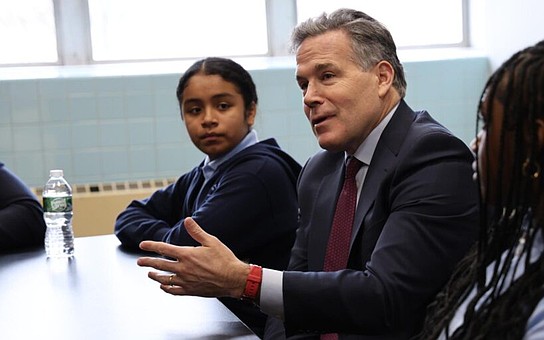
"We want our students to be masters of the tools, not servants to them," noted one local educator during a recent school board workshop. "The shift is from 'finding the answer' to 'asking the right question.'"
The impact of AI isn't limited to the grade book; it is also influencing how Lansdale youth interact socially. As digital natives, North Penn students are increasingly comfortable with AI chat interfaces. For some, these tools provide a space for social simulation or emotional support. We are seeing a rise in the use of specialized software designed for interaction, including the concept of an AI girlfriend, where users engage with digital entities to practice conversation or find a sense of companionship.
While this may seem unconventional to older generations in the community, it highlights a growing trend in student mental health and technology. As digital companions become more sophisticated, the line between human and machine interaction blurs. Educators and local psychologists are closely monitoring how these digital relationships affect real-world social skills among teenagers in the North Penn area.
North Penn High School has long been a leader in vocational and academic excellence. As the local economy in Montgomery County shifts toward tech and biotech, the district is prioritizing AI literacy to ensure graduates are career-ready. Understanding how to prompt AI and audit its output is becoming as essential as basic literacy and numeracy.
Innovation isn't just happening in the classroom; it's happening in North Penn living rooms. Many families are experimenting with AI for creative purposes, from generating digital art to coding private applications. For those interested in the boundaries of personalization and character creation, platforms allow users to create an AI girlfriend or a custom digital persona, teaching students the basics of personality parameters and conversational logic.
Other popular home-use AI tools include:
The North Penn School District stands at a crossroads, balancing the rich tradition of the Knighthawks with the fast-paced demands of the 21st century. The integration of AI is not a trend that will fade, but a systemic shift in how we define "learning." By focusing on Digital Literacy and maintaining high standards for Academic Integrity, NPSD is ensuring that its students are not just consumers of technology, but innovators.
As we look toward the future, the success of AI in our schools will depend on the continued partnership between the district, parents, and the wider North Penn community. Whether it is through personalized tutoring in the classroom or exploring the ethics of digital companionship at home, the goal remains the same: to empower North Penn students to thrive in an increasingly automated world.
The conversation is just beginning, and for the residents of Lansdale, Hatfield, and North Wales, the impact of AI will be felt for generations to come.
The district focuses on digital literacy, teaching students how to use AI as a tool for brainstorming and research while emphasizing that work must be their own. High-density in-class assessments are also used to verify student knowledge.
AI-driven 'digital tutors' provide personalized practice in subjects like math and science, allowing students to receive immediate feedback and tailored support outside of traditional classroom hours.
While academic benefits are significant, educators and parents are monitoring the impact on social skills and mental health as students spend more time interacting with digital personas and conversational AI.
An experienced education and technology journalist, specializing in how emerging software impacts community growth and student development in the Greater Philadelphia area.