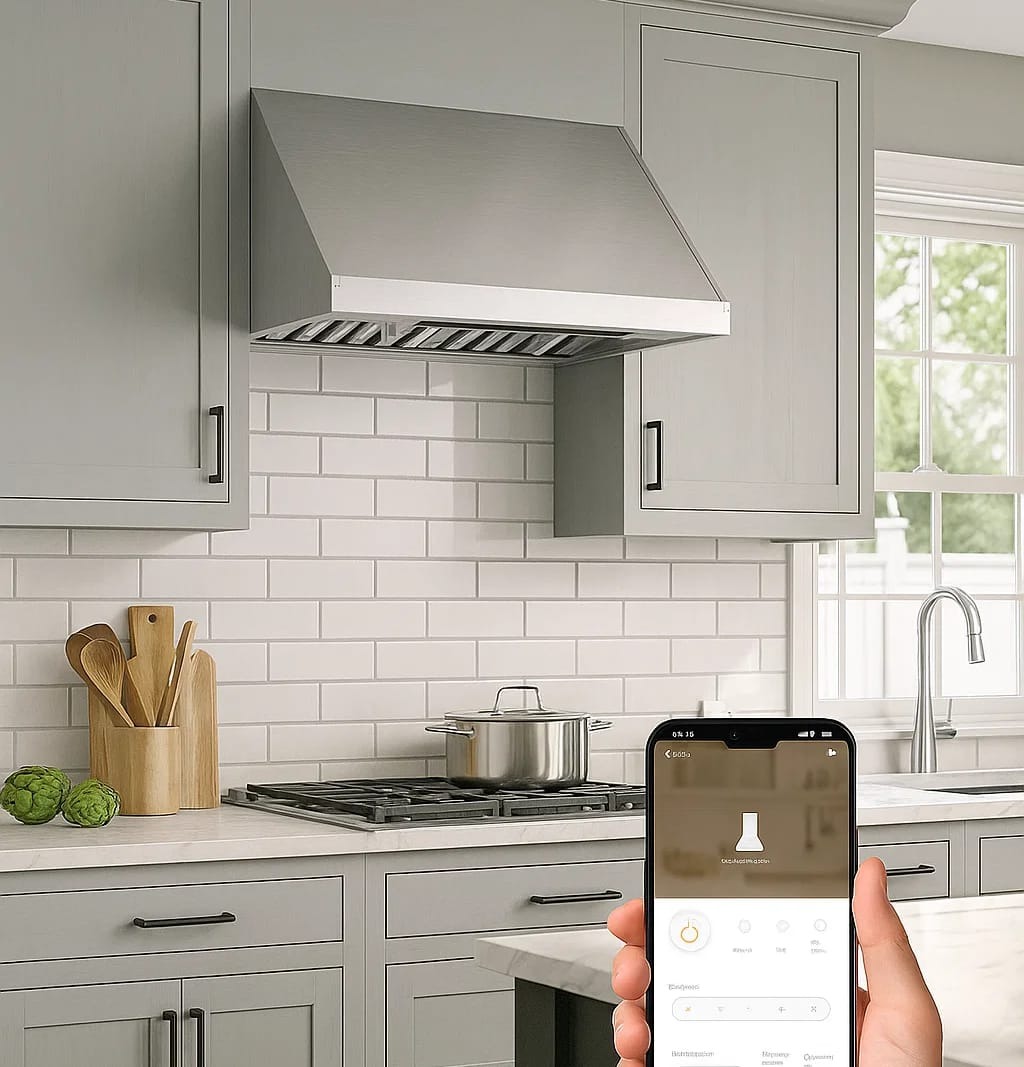
A clean and fresh kitchen starts with proper ventilation. Whether you cook every day or only on weekends, smoke, grease, and odors can quickly build up in your space. That is why choosing the best ductless range hood is an important decision for any home.
Ductless range hoods, also called recirculating range hoods, are becoming more popular in apartments, condos, and homes where ductwork is not practical. They are easy to install, space-saving, and effective when chosen correctly.
A ductless range hood filters air and sends it back into the kitchen instead of venting it outside. Unlike ducted models, it does not require external ventilation pipes.
Here is how it works:
Because it does not require major construction work, it is ideal for:
If you are comparing models, reviewing a detailed guide on the best ductless range hood can help you understand available features and performance levels.
Indoor air quality is often overlooked. Cooking releases:
Without proper ventilation, these pollutants remain inside your home. Over time, they can stain walls, damage cabinets, and affect your breathing comfort.
A good ductless range hood helps:
For homes without external venting options, it can be the most practical solution.
Ductless models are simple to install. Since there are no external ducts, you only need:
This reduces installation costs and time.
You can install ductless hoods:
They work well in spaces where structural changes are not allowed.
Ductless systems are often more affordable than ducted ones because:
Modern ductless range hoods come in sleek finishes such as:
They blend well with contemporary kitchen designs.
While ductless range hoods offer many advantages, they also have limitations.
Charcoal filters must be replaced regularly. If not changed:
Grease filters should also be cleaned frequently.
Ducted systems vent air outside, which can remove heat and smoke faster. Ductless models rely entirely on filtration, so performance depends heavily on filter quality and fan strength.
Some models may produce noticeable sound at higher speeds. Checking decibel ratings before purchase helps avoid surprises.
Selecting the right model requires attention to several factors.
CFM stands for cubic feet per minute. It measures airflow power.
For most home kitchens:
Choose a level that matches your cooking habits.
Look for:
Good filters make a significant difference in air freshness.
Your range hood should be:
Standard widths include 24-inch, 30-inch, and 36-inch models.
Built-in LED lights improve visibility while cooking. They also:
Look for models under 65 decibels for comfortable operation.
Kitchen design continues to shift toward minimal and compact layouts. Open-plan kitchens are more common, especially in urban homes.
Because of these trends:
Brands are responding by producing slim-profile range hoods with improved charcoal filtration systems.
At the same time, multi-functional cooking appliances are gaining popularity. For example, the Ciarra Nosh Oven reflects the growing interest in compact, efficient kitchen tools that support modern lifestyles.
When paired with the best ductless range hood, such appliances help maintain a clean and organized cooking space without complicated construction.
Even the best ductless range hood needs correct installation.
Follow these guidelines:
Regular maintenance keeps airflow strong and odor control effective.
Here is a simple breakdown:
Ductless Range Hood
Ducted Range Hood
If exterior venting is not possible, ductless models remain a reliable option.
To keep your ductless range hood performing well:
Consistent care prevents grease buildup and maintains airflow efficiency.
A ductless model is ideal if you:
For frequent high-heat cooking, selecting a higher CFM model is recommended.
Choosing the best ductless range hood improves kitchen comfort and air quality without complex installation. It offers a practical solution for apartments, compact homes, and spaces where ductwork is not possible.