
Have you ever thought about how workers protect their eyes while working with chemicals, dust, or strong materials in industrial areas?
In many workplaces, eye protection is part of daily safety practice. One helpful safety setup is an eyewash unit that allows workers to rinse their eyes quickly and comfortably if needed. When this equipment is kept clean and ready to use, employees feel confident, and workplaces run smoothly.
An organized safety routine also builds trust among workers. When safety equipment is maintained regularly, people know that the workplace cares about their well-being. Proper inspection and maintenance of an eyewash unit supports safe working habits and create a comfortable environment for everyone.
Workplaces such as laboratories, manufacturing units, workshops, and chemical handling facilities often include equipment that may produce dust, particles, or chemical splashes.
In such environments, a properly working eyewash station becomes an important part of the safety system.
An eyewash unit allows workers to rinse their eyes with clean, flowing water. This quick response helps maintain eye comfort and cleanliness during work hours. When placed in accessible locations, it allows workers to act quickly and continue their work routine with confidence.
Keeping this equipment ready at all times is part of responsible workplace management. Regular inspections ensure water flow, cleanliness, and accessibility remain at the right level.
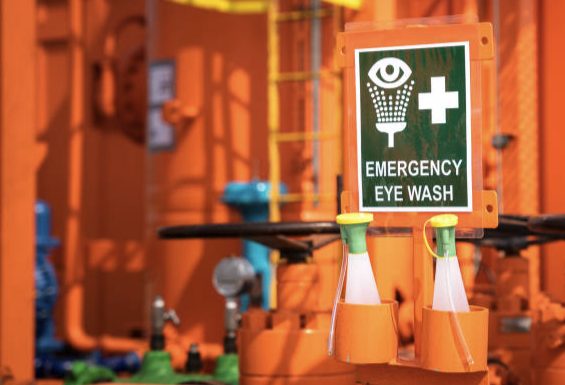
An eyewash station is usually connected to a clean water supply and includes two small nozzles that gently spray water upward. The design allows both eyes to be rinsed comfortably at the same time.
When activated, the system releases a controlled flow of water that helps flush away dust, particles, or chemicals. Workers simply place their eyes over the spray area and allow the water to rinse naturally.
This equipment is normally placed within a short walking distance from work zones where chemicals or particles are handled. Clear safety signs help workers locate the unit quickly.
Most stations include several simple parts that support smooth operation.
• Twin spray nozzles for balanced water flow
• Dust covers that keep the nozzles clean
• Activation handle or push plate
• Continuous water flow system
• Drain outlet for water removal
Each component works together to maintain a steady and comfortable rinse.
Regular inspection helps confirm that the safety equipment remains ready for use every day. A simple schedule makes the process easy for workplace teams.
Before beginning inspections, safety supervisors usually check that the path leading to the eyewash unit remains clear and easy to access. Workers should reach it quickly without moving around equipment or obstacles.
Many workplaces conduct a weekly check to make sure the unit operates correctly. During this process, water flow is activated for a short period so that the internal pipes stay fresh and clean.
During the check, staff members usually confirm the following:
• Water flows evenly from both nozzles
• Spray height allows comfortable eye rinsing
• Dust covers open smoothly when water starts
• Water remains clear and clean
This routine helps maintain the equipment in a ready condition.
A monthly review focuses on the physical condition of the unit. The inspection includes checking pipes, handles, and surrounding areas.
Maintenance staff may review points such as cleanliness of the station, stability of the mounting structure, and visibility of safety signage. These checks help maintain a well-organized safety area.
In workplaces where chemical materials are handled, safety teams often document each inspection in a logbook. Recording inspection details supports organized workplace management and shows that safety routines are active.
Proper placement helps workers reach the unit comfortably when needed. A good location ensures the station remains visible, accessible, and free from obstacles.
Eyewash units are usually installed close to work zones where chemicals, powders, or particles are handled regularly. Clear floor space around the station allows workers to move toward it quickly.
Workplace safety planners normally place the station within a short walking distance from areas where eye protection may be required. This thoughtful placement supports fast access.
Bright signage placed above the station helps workers notice it easily. Some workplaces also use floor markings that guide employees toward the safety unit.
Installing the eyewash at the correct height allows workers to use it comfortably. The spray level should align naturally with eye level so that users can rinse without bending too much.
Proper installation improves usability and encourages workers to use the equipment confidently during daily tasks.
Training helps workers understand how the equipment works and where it is located. When employees know the process, they can respond calmly and efficiently at work.
Safety orientation programs usually include demonstrations of eyewash stations. These short sessions help employees become familiar with the equipment.
Workplace safety teams often explain a few practical points during training.
Locate the nearest eyewash unit before beginning work.
Learn how to activate the water flow quickly.
Position eyes comfortably over the spray nozzles.
Allow water to rinse both eyes naturally.
These steps make the process clear and easy to remember.
Many workplaces also include safety policies that support equipment maintenance and employee well-being. These policies help teams stay organized and responsible.
In professional environments, companies also consult legal professionals to understand workplace safety standards and employee rights. For example, businesses in Canada sometimes seek advice from a professional resource like an LTD Lawyer Toronto to understand employment and workplace responsibility frameworks related to safety systems.
Clear knowledge of workplace rules allows organizations to maintain well-structured safety practices.
Documentation helps track maintenance routines. Keeping a record of inspections ensures consistency and shows that safety procedures remain active.
Maintenance teams often maintain a simple log sheet that records inspection dates and inspection notes.
This simple system helps keep safety equipment ready throughout the year.
Workplace safety becomes stronger when employees participate actively. When workers feel responsible for their environment, safety routines become part of daily work habits.
Managers often encourage employees to report equipment that needs cleaning, adjustment, or inspection. This shared responsibility keeps the workplace organized and supportive.
Team discussions about safety practices also help employees stay informed and confident during their workday.
Maintaining and inspecting eyewash stations is an important part of workplace safety in environments that handle chemicals, dust, or particles. Regular inspections, clear placement, employee training, and organized maintenance routines help ensure the equipment remains ready for use. When workplaces maintain these systems with care, employees feel comfortable and confident while performing their daily tasks. A well-maintained eyewash station reflects a responsible workplace that values safety and practical preparation.











