Have you ever thought about how your HVAC system keeps your home comfortable every day while quietly working in the background?
A well-maintained HVAC system supports balanced indoor temperature, steady airflow, and pleasant living conditions throughout the year. With simple maintenance habits and proper sealing, homeowners can keep their systems running efficiently while also supporting energy balance in the house.
HVAC care does not need complicated steps. Small and practical actions performed regularly help the system perform smoothly. When airflow moves properly through ducts and filters remain clean, the entire system works in harmony.
Many homeowners find that simple routines make a noticeable difference in how comfortable their home feels.
HVAC systems work through a combination of airflow, temperature control, and insulation. Air travels through ducts, passes through filters, and circulates across rooms to maintain indoor comfort. When each part of the system remains clean and properly sealed, the system performs steadily and consistently.
Regular attention to small components helps maintain efficiency and keeps airflow balanced throughout the home.
Air filters play an important role in maintaining airflow and supporting indoor air freshness. When filters remain clean, air moves smoothly through the system, allowing heating and cooling equipment to perform effectively.
Many homeowners follow a simple routine by checking filters every month. This habit keeps airflow steady and helps the HVAC system maintain comfortable indoor conditions.
A few simple habits can help maintain filter quality:
• Check filters every month to keep airflow smooth
• Replace filters every few months for steady air circulation
• Choose quality filters that support clean airflow inside the home
Clean filters help maintain balanced temperature and allow the HVAC system to operate comfortably.
Air vents and registers allow conditioned air to travel throughout the house. When these openings remain clear, airflow spreads evenly across rooms and helps maintain consistent comfort.
Furniture placement sometimes blocks vents without people noticing. A quick check around the house helps ensure that vents remain open and airflow reaches every corner of the room.
Many homeowners create a simple habit of checking vents during weekly cleaning routines. This small step supports airflow and keeps the system operating smoothly.
Proper sealing supports HVAC performance by guiding airflow through the intended path. When ducts, insulation, and surrounding materials are properly sealed, air reaches the living spaces more efficiently.
Good sealing also supports a balanced indoor temperature across different rooms.
Duct connections allow air to travel from the HVAC unit to each room in the house. Well-sealed ducts guide airflow smoothly and support consistent comfort in every area of the home.
Homeowners often inspect duct joints and connections once a year to ensure they remain secure. Professional technicians also perform sealing inspections during routine maintenance visits.
Some practical steps often followed include:
• Checking visible duct joints for tight connections
• Adding sealing material where needed
• Scheduling periodic HVAC inspections to maintain airflow quality
These small actions help maintain airflow balance and support long-term system performance.
Duct insulation supports temperature stability as air moves through the system. Insulated ducts maintain the desired temperature of conditioned air as it travels across different rooms.
Some homes use materials like fabric fiberglass insulation to support proper duct sealing and airflow guidance. Materials like this help maintain airflow efficiency while supporting stable indoor comfort.
Insulated ducts help ensure that air arriving in living spaces maintains the intended temperature, allowing the HVAC system to perform efficiently.
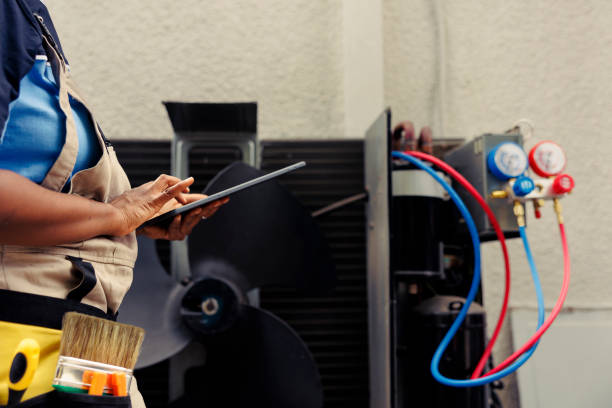
An HVAC system includes several mechanical components that work together to circulate air and regulate temperature. Regular maintenance keeps these components operating smoothly.
The outdoor unit and coils play an important role in heat exchange. When these components remain clean, the system operates comfortably and maintains efficient temperature control.
Many homeowners schedule seasonal maintenance visits where technicians clean the outdoor unit, inspect coils, and check airflow performance. These visits help maintain steady operation and allow the system to perform consistently across different seasons.
Thermostats control temperature settings and help regulate HVAC operation. When the thermostat remains properly calibrated, the system runs efficiently and maintains comfortable indoor temperatures.
Smart thermostats provide additional convenience by allowing homeowners to manage temperature settings through mobile applications. Many families enjoy adjusting their home temperature remotely before arriving home, creating a pleasant environment upon arrival.
Home structure and building materials also support HVAC efficiency. When insulation and building design align with HVAC airflow patterns, the system performs even more effectively.
Modern construction materials often support airflow control and insulation performance. Buildings constructed with materials such as pre engineered steel buildings often include insulation layers and ventilation planning that complement HVAC systems and support temperature stability.
These construction methods help guide airflow and insulation in a structured way, allowing HVAC systems to maintain comfortable indoor conditions across large spaces.
Doors and windows also influence HVAC efficiency. Proper sealing around these areas helps maintain indoor temperature and supports balanced airflow throughout the house.
Many homeowners perform simple checks around window frames and door edges to ensure sealing remains secure. Small adjustments help maintain indoor comfort and support HVAC performance.
Consistency plays an important role in maintaining HVAC efficiency. A simple routine helps homeowners keep their systems in good condition without complicated effort.
A basic maintenance routine may include:
Checking filters every month
Inspecting vents and airflow paths
Scheduling seasonal professional maintenance
Inspecting duct sealing annually
Reviewing thermostat settings periodically
When these habits become part of household routines, HVAC systems continue operating smoothly and efficiently.
Many families treat HVAC maintenance like regular home care tasks, such as cleaning or organizing. This simple approach supports long-term comfort and efficient system performance.
Proper HVAC care creates several benefits that homeowners appreciate daily. Clean airflow supports balanced temperature, comfortable humidity levels, and steady indoor air circulation.
When airflow moves properly, and ducts remain sealed, each room receives the right amount of conditioned air. This balance helps maintain pleasant indoor comfort during warm days and cooler evenings.
Families often notice that well-maintained systems maintain a steady temperature across rooms, allowing everyone to enjoy comfortable living conditions.
HVAC maintenance is a practical part of home care that supports efficient airflow, comfortable indoor temperature, and balanced energy use. Regular filter checks, proper duct sealing, clean components, and simple inspection habits help the system perform smoothly. With consistent attention and thoughtful care, homeowners can enjoy reliable HVAC performance while maintaining a comfortable living environment throughout the year.