Have you ever thought about how large industrial systems keep fluids moving in the right direction without interruption?
In many commercial and industrial setups, smooth flow control plays an important role in keeping operations steady. One small but important component that supports this process is the check valve.
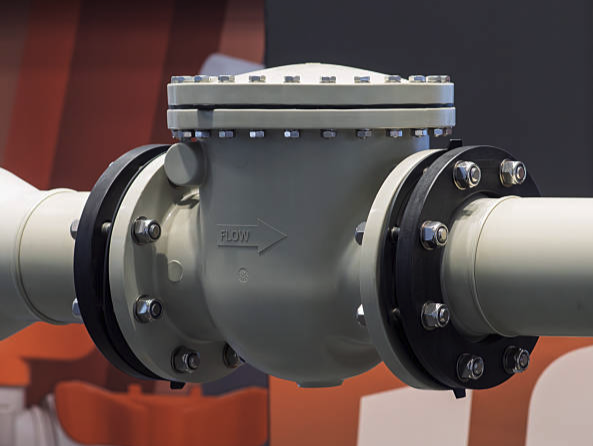
A check valve allows fluid to move in one direction while preventing reverse flow. This simple function helps maintain stable pressure and supports smooth system operation. From water treatment plants to manufacturing units and heating systems, these valves quietly support daily operations.
When the right valve is selected and maintained properly, systems run more efficiently, energy use stays balanced, and equipment performs consistently. Let’s talk about practical ways to improve performance using commercial check valves.
Industrial and commercial systems often involve complex networks of pipes and pumps. In these setups, controlling the direction of fluid movement helps maintain smooth operations. Check valves perform this task automatically, allowing fluid to move forward while preventing backward movement.
Because of this automatic action, pumps and pipelines continue working in an organized way. Proper valve placement also helps maintain consistent pressure and reduces unnecessary strain on system components.
Fluid systems rely on balanced pressure and smooth movement through pipelines. When flow moves in a single direction, pumps operate efficiently, and energy usage remains steady.
Check valves help maintain this balance by supporting controlled flow. In industrial water systems, heating networks, and manufacturing plants, this control contributes to reliable performance across the entire system.
Commercial systems across many sectors include check valves as part of their flow control setup. These valves are commonly used in areas such as:
• Water distribution systems
• Industrial cooling systems
• Heating and steam pipelines
• Chemical processing units
• Manufacturing equipment
Each application benefits from the same basic idea: allowing fluid to move forward without interruption.
Selecting the right valve is an important step in building an efficient system. Each industrial setup has its own requirements related to pressure, fluid type, and pipeline design.
A proper match between the valve and system conditions allows smooth performance over long periods.
Different types of check valves are used in industrial setups depending on flow characteristics and system design.
Swing check valves allow fluid to move through a hinged disc that opens with flow pressure. Lift check valves operate using a disc that lifts upward when fluid moves forward. Ball check valves use a ball that moves with the flow pressure and settles back when the flow stops.
Each type supports the steady movement of fluids and maintains organized flow inside pipelines.
Industrial systems operate under different pressure levels and flow rates. Choosing valves that match these conditions supports stable performance.
When engineers select check valves based on flow speed and pressure range, pipelines operate smoothly, and pumps maintain balanced operation. Careful selection also helps maintain steady fluid circulation across the entire system.
Correct installation plays a key role in how well a valve performs. Even a high-quality component delivers better results when installed with proper alignment and positioning.
Check valves work best when installed in the direction of flow indicated on the valve body. This ensures that the internal mechanism opens easily with fluid movement.
Correct positioning allows fluid to move freely while maintaining directional control. Engineers often install valves at points where pumps or equipment need additional flow protection.
Stable pipe alignment helps valves operate smoothly. When pipelines remain steady, the valve mechanism opens and closes naturally without unnecessary movement.
Industrial engineers often include pipe supports or brackets near valves. This keeps pipelines stable and allows the valve to function consistently during operation.
Routine care supports long-term valve performance. Maintenance activities allow operators to confirm that valves continue operating smoothly within the system.
Periodic inspections allow technicians to check valve movement and confirm that the internal disc or ball moves freely. These checks help maintain steady performance.
Common inspection steps include:
• Observing flow behavior in pipelines
• Checking valve alignment within the system
• Ensuring smooth opening and closing movement
These simple checks help maintain stable fluid control across industrial systems.
Clean pipelines allow valves to perform effectively. When fluid moves through a clean pipeline, valve components move freely and maintain a consistent flow direction.
Many industrial systems include filtration or cleaning schedules that support smooth valve operation and steady pipeline performance.
Efficiency in industrial systems often begins with thoughtful facility planning. Engineers consider the layout of pipelines, pumps, and flow control components while designing commercial buildings.
Industrial facilities frequently use modern building approaches that support organized mechanical systems. For example, many facilities constructed using prefab steel buildings allow engineers to plan pipe networks, mechanical equipment, and flow systems in a structured layout.
This organized design allows valves, pumps, and control systems to function efficiently while supporting long-term system stability.
Industrial systems operate continuously, so long-term efficiency becomes an important goal. Proper valve selection, correct installation, and consistent maintenance all contribute to reliable performance.
Engineers often design systems that support steady operation across many years. By including appropriate check valves in pipeline systems, fluid flow remains controlled and equipment works in harmony.
This thoughtful planning supports smooth operation in areas such as manufacturing plants, energy facilities, and commercial infrastructure.
Well-trained technicians understand how flow control components work within the system. When operators know how valves function, they can quickly identify normal flow patterns and maintain smooth operations.
Training also helps maintenance teams follow consistent inspection routines that support system reliability.
Commercial check valves play an important role in maintaining efficient industrial and commercial systems. These simple yet effective components support directional flow, maintain stable pressure, and help equipment operate smoothly.
With thoughtful selection, proper installation, and regular care, check valves contribute to consistent performance across pipelines and industrial facilities. When engineers plan systems carefully and maintain them regularly, fluid control remains steady and industrial operations continue running efficiently.