
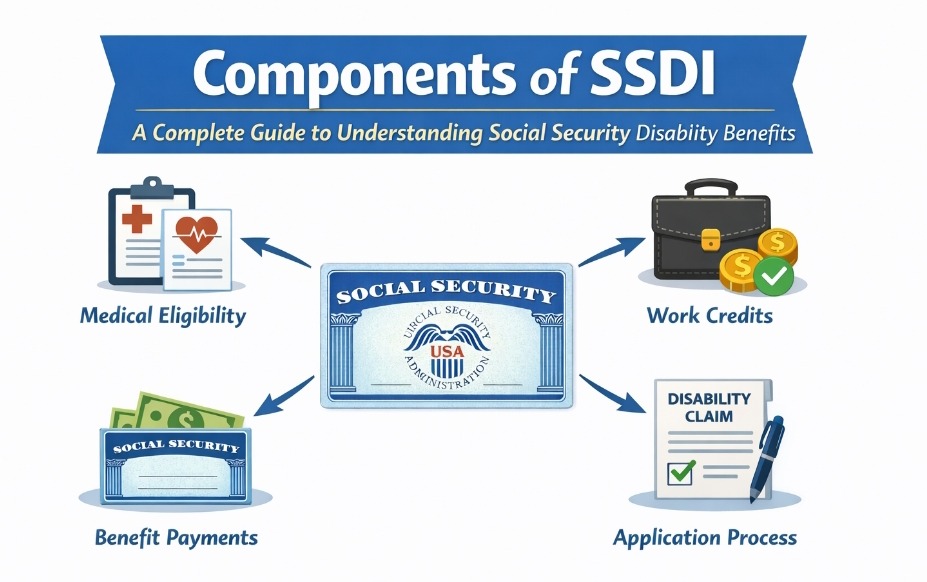
Figuring out the system means looking closely at what makes up SSDI. What you qualify for ties directly to these parts, shaping both access and payouts. Support for workers with disabilities - and their loved ones - hinges on how these pieces fit together. Getting familiar with them changes how someone moves through applications, often making success more likely.
Understanding SSDI comes first - its purpose, its flow. Only then does breaking down its parts make sense. What it does shapes how it works. The way it operates reveals its structure. Looking at pieces without context misses the point. Grasping the whole guides the details.
Money for SSDI comes from taxes taken out of paychecks, thanks to a law called FICA. When people hold jobs, they pay into the program over time - this helps them qualify later should an illness stop them from working.
What sets SSDI apart isn’t income level. It hinges more on how long someone worked. The key factor? Work credits built up over time. Once disability hits and rules are met, payments start arriving each month.
What goes into SSDI matters because it shows folks exactly which papers to gather, while revealing how the agency reviews each case step by step.
Key Components of SSDI
Not every piece of SSDI works the same way, yet each shapes how applications are judged. One doesn’t stand apart - each step ties into whether someone gets benefits.
Work Credits and Employment History
Work credits matter a lot when it comes to SSDI. Taxes paid during jobs build those credits over time.
A person usually requires forty work credits to get Components of SSDI benefits, twenty of which must come from the decade just before their disability began. When someone is younger, they might meet requirements even if they are less than forty, based on how old they were when the disability happened.
People get SSDI because they paid into Social Security while employed. Workers earn coverage by paying taxes over time. Those unable to work due to disability receive support later. Eligibility depends on past job contributions. The program helps only those who built credits through employment. Benefits go to people who meet the system's requirements.
Medical Eligibility Requirements
Not far beneath the surface, SSDI hinges on health proof. To qualify, someone needs to show their illness is serious enough to block regular job tasks completely.
Not every health problem counts under government rules - only specific ones make the cut. Meeting the checklist means proof must match what’s written down, exactly. Some diagnoses skip extra review when documents line up right. The official handbook shows which illnesses allow someone to collect aid without further debate. Details matter because missing a single test result can change the outcome.
Should an illness appear outside the list, officials check if it's serious enough to stop someone doing their old job or adjusting to different roles. The decision turns on how limiting the health problem truly is when weighing everyday tasks against available positions. Whether a person can handle past duties matters just as much as shifts toward new kinds of work. Tough symptoms might block routine efforts even without official classification. Not every tough diagnosis shows up in written guidelines - yet still counts under close review.
Benefit Calculation and Payment Amount
A person's past income shapes how much they get through SSDI benefits. What you earned over time sets the base for payments after becoming disabled.
A person's past income shapes their monthly payout, figured out by the Social Security Administration through a set method. When someone earns more over time, what they receive each month tends to be larger instead.
Paid out once every month, payments might grow later if living costs rise. Those receiving them could see extra funds added when expenses go up.
Waiting Period and Benefit Start Date
Five months must pass before payments start under SSDI rules. This delay counts from the day a person becomes disabled. Waiting time is built into how the program works.
Only once six months have passed since the condition started does payment begin, even if approved earlier. The wait makes sure what’s claimed isn’t just short-lived trouble but something lasting.
Waiting feels tough sometimes, yet that’s built into how SSDI works. The system moves step by step, not all at once.
Family Benefits and Dependents
A lesser-known part of SSDI covers support for family members. Sometimes, those relying on a worker who can’t work get payments too.
Spouses might qualify. So can young kids. Sometimes grown-up children too - if their disability started before they turned 22. When someone who works gets disabled, these extras kick in. Their purpose? Helping households keep money steady during tough times.
Most of the time, what a whole family gets can’t go above a certain share of the disabled worker’s payment.
Application and Evaluation Process
Finding your way through Components of SSDI often begins with how it's applied for and checked later. To start, a person must gather clear proof - like doctor reports, past job details, not just brief notes but full paperwork showing limits caused by health issues. What matters most? Showing exactly how daily tasks are affected, using real examples instead of general statements.
Every request lands on a desk where someone checks health details alongside past jobs. Often, paper trails run short or proof feels too thin - so the answer comes back closed at first.
Anyone turned down can challenge that choice by asking for another look or a meeting with a legal referee. People not happy with the outcome might push back through formal channels meant for such cases.
Importance of Understanding the Components of SSDI
Every part of SSDI matters if you are thinking about seeking disability help. Tough qualification standards shape who gets in. Seeing how each piece connects helps make success more likely.
People get further when they grasp how work credits tie into eligibility, since knowing the rules shapes what comes next. Medical criteria matter just as much, because meeting them shifts everything toward approval. Figuring out how payments are figured changes how people plan ahead. Family-related perks often surprise applicants, yet spotting them early makes a difference. With clarity on these pieces, paperwork moves smoother, simply by being ready. Delays shrink once confusion fades, mainly due to preparation.
Conclusion
Not everyone gets SSDI - it depends on several key parts working together. Earning enough work credits matters, but so does meeting strict health criteria. Money received ties directly to past earnings, though payments start only after a mandatory delay. Certain relatives might also receive help once approval happens. Each piece plays a role in deciding access and amount.
What makes SSDI work matters a lot if you might rely on it later. Knowing its structure, along with having solid paperwork ready, helps people move through steps without second-guessing each choice.











