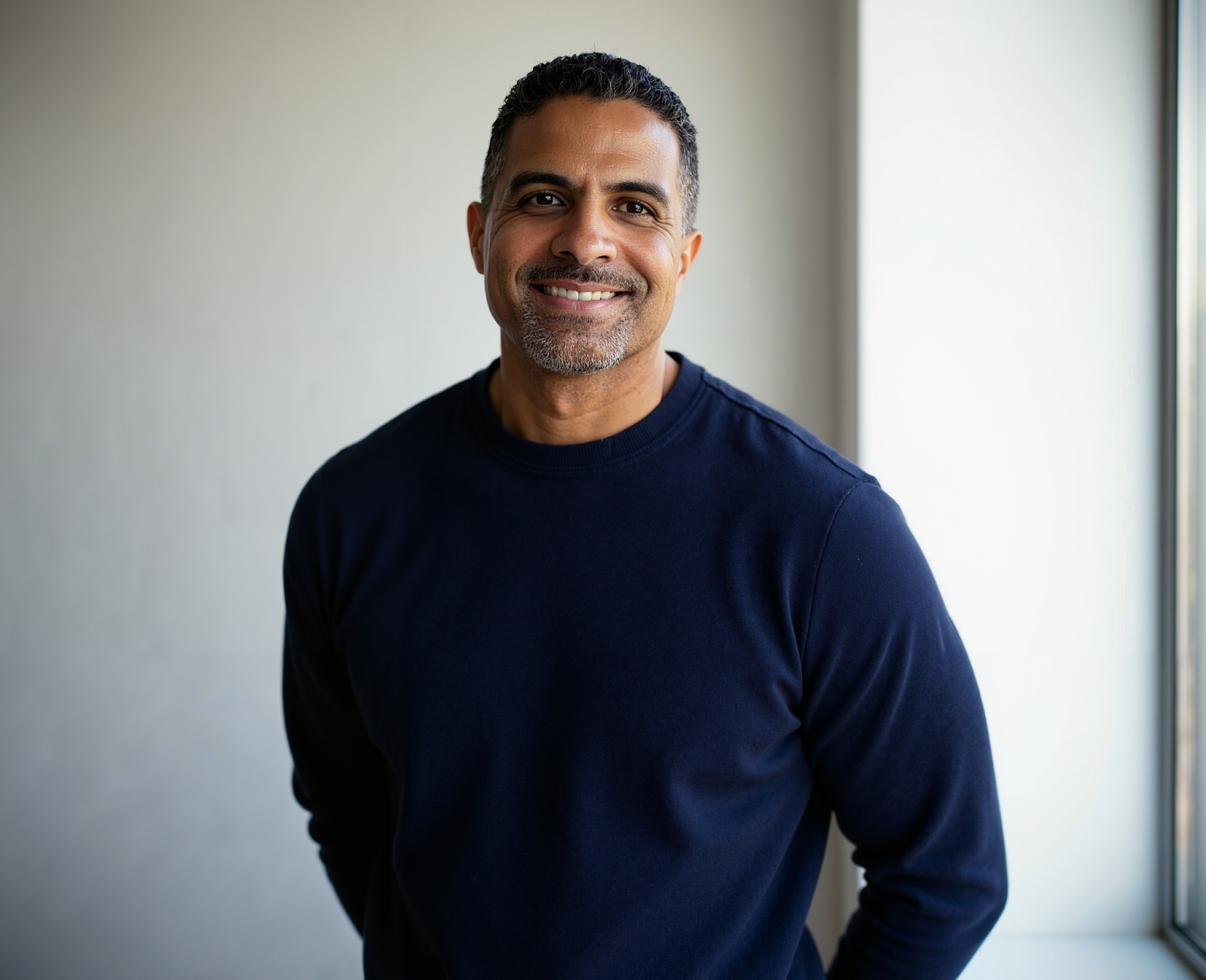
Commander Joshua Wallace has spent more than twenty-five years with the Chicago Police Department, watching modern policing change with new technology, reform mandates, and shifting public expectations. As the head of the Criminal Network Group in CPD’s Counterterrorism Bureau, he leads intelligence-led policing efforts that rarely fit into neat categories. Drug trafficking overlaps with firearms markets, organized retail theft connects to digital fraud, and local offenders coordinate through encrypted apps that reach far beyond Chicago’s city limits.
For Wallace, the traditional model of policing that focused mainly on dismantling strict hierarchies has given way to a more realistic view of interconnected criminal ecosystems. His approach to intelligence-driven investigations, cross-agency collaboration, and police accountability explains why his name often appears in discussions about modern policing and law enforcement leadership.
Early in his career, Wallace saw criminal organizations that looked relatively structured. Crews had visible leaders, claimed territories, and followed recognizable revenue streams. That world has changed.
Today’s criminal networks are decentralized and fluid. Groups form, dissolve, and reassemble quickly around new opportunities. A crew involved in narcotics distribution might shift into stolen vehicles or organized retail crime within weeks. Recruitment can occur through social media, encrypted messaging, or gaming platforms as easily as on a street corner.
In response, Wallace shifted from a traditional target-based investigative mindset to one grounded in network intelligence. Instead of simply working up a ladder toward a single “kingpin,” his teams map the full environment. They identify connectors, facilitators, financial conduits, and the digital tools that allow criminal networks to operate. The goal is not just to arrest individuals at the top but to disrupt the system in ways that have a lasting impact.
Under his command, the Criminal Network Group has participated in multi-agency operations with local, state, and federal partners to dismantle violent drug and firearms networks that operate across multiple jurisdictions. These efforts have led to coordinated arrests, significant seizures, and measurable reductions in retaliatory violence. Wallace believes the most important outcome is structural: habits have changed, silos have come down, and agencies have learned to share intelligence quickly and consistently. In his view, decentralized crime demands decentralized cooperation anchored in trust and discipline.
Wallace’s leadership style is shaped by advanced executive training, including his time at the FBI National Academy. He describes command under pressure as the ability to slow chaos rather than feed it.
When tension rises during a major operation, he falls back on structure. He verifies facts, separates assumptions from evidence, isolates key variables, and communicates clearly. He insists that authority is not measured in volume. Calm, in his experience, carries farther than shouting.
That steady approach has guided him on assignments tied to high-profile, nationally significant events, including support for security operations around the Democratic National Convention. In those roles, Wallace focused on identifying threats before they surfaced, using intelligence to prevent incidents rather than reacting after the fact. For him, successful planning often looks uneventful from the outside. If nothing dramatic happens, the systems work.
His philosophy extends to crisis management inside the department. Wallace believes most crises result from problems that were not addressed early. Small lapses in documentation, hesitation by supervisors, or slow responses to cultural warning signs can eventually become major institutional failures. Effective command leadership, in his view, is built on early accountability rather than post-incident damage control.
In high-pressure units such as narcotics, gangs, and vice, Wallace treats accountability as part of the operational infrastructure. It is not a box to check after the fact.
He pays close attention to signals that an investigation may be drifting away from legal or ethical boundaries. Warning signs include declining documentation quality, overreliance on confidential informants, pressure to hit numerical “productivity” goals, or premature discussions about asset forfeiture before the underlying criminal conduct is fully established. To Wallace, these are not abstract concerns. They are recognizable patterns that, if ignored, weaken legitimacy and expose both officers and communities to unnecessary risk.
His framework is anchored in three main principles: legitimacy, mission clarity, and ownership of consequences. If an operation cannot be legally and publicly defended, it does not proceed. If metrics begin to drive tactics instead of sound intelligence, leadership steps in. If a supervisor hesitates to correct a small deviation from policy or ethics, that hesitation marks the beginning of cultural erosion.
In a city like Chicago, where a consent decree and constitutional policing standards shape daily operations, this approach carries extra weight. Wallace does not treat oversight as a barrier. He sees it as a structure that helps maintain high standards. Constitutional policing, he argues, strengthens prosecutions, protects officers, and builds long-term trust with the community. Strong cases and clear documentation are not just compliance tasks. They are essential parts of legitimate, sustainable law enforcement.
Modern policing and modern crime are both shaped by technology. Wallace is blunt about this reality. Encrypted communication platforms, cryptocurrency, dark web marketplaces, and rapid information sharing have all transformed how criminal networks coordinate.
He believes law enforcement leaders must develop enough technical fluency to challenge assumptions, ask informed questions, and recognize vulnerabilities and opportunities. They do not have to be engineers, but they do need to understand how technology affects both criminal behavior and police strategy.
At the same time, Wallace is skeptical of innovation for its own sake. He has seen agencies roll out new tools or systems that failed because front-line officers were not consulted, the purpose was not clearly explained, or the change moved faster than training and culture could support. Real modernization, he argues, requires buy-in, communication, and a clear connection to safety, investigative quality, or accountability.
Under his command, intelligence-driven operations focus on balancing speed with structure. Analysts can move quickly on emerging leads, especially when threats to life or safety may be developing. However, steps that involve surveillance, warrants, or other high-consequence decisions must go through layered verification. Analysts and validators serve in separate roles to reduce confirmation bias and protect the integrity of the process. Urgency never justifies cutting corners. The aim is to build systems that are adaptable but not improvisational, capable of responding to changing conditions while grounded in consistent standards.
Wallace speaks candidly about the emotional and psychological toll of police work, particularly on experienced officers. In his view, burnout rarely comes from working long hours alone. It comes from repeated exposure to moral injury, the feeling that serious social problems cannot be resolved by arrests alone.
His response is structural. He supports rotational assignments to reduce stagnation and increase perspective. He emphasizes sustained recognition, not just awards tied to single events. He also promotes psychological safety, especially for supervisors, so that leaders can admit uncertainty or ask for guidance without fearing a loss of credibility.
Mentorship plays a central role in his leadership model. Wallace credits an early merit promotion opportunity and mentors who modeled calm, ethical decision-making as turning points in his career. In his own command roles, he actively recommends qualified officers for advancement and treats those recommendations as investments in the long-term health of the organization. For him, leadership is measured less by rank and more by the number of capable, principled supervisors a leader helps develop.
Modern policing operates under constant public, political, and media scrutiny. Wallace approaches that reality with a focus on patterns. When criticism comes from many different sources and aligns with data, he views it as a sign of a real operational issue that needs attention. When complaint statistics or use-of-force data align with specific community concerns, he supports a thorough review and, when necessary, reform.
He also warns against misreading the problem. Treating a genuine operational failure as a “public relations” issue risks deeper intervention and loss of trust. Treating a perception gap as proof of misconduct can undermine effective strategies and confuse officers about what is expected of them. The key distinction is whether the core problem lies in behavior or in communication. Once that distinction is clear, the response can be tailored: internal reform and accountability on one side, or transparency, explanation, and outreach on the other.
For Wallace, sustainable modern policing depends on legitimacy that is non-negotiable. He measures success by durable outcomes: reduced network capability, fewer cycles of retaliatory violence, stronger supervision, and communities that call for help because they trust how officers will respond. His goal is steadiness. Officers who worked under him should remember that he enforced standards without losing sight of humanity. Communities should feel that the uniform represents purpose, not just posture.
In an era defined by evolving crime, rapid technology shifts, and rising expectations for transparency, Commander Joshua Wallace’s approach to intelligence-led policing offers a grounded model of leadership. He does not romanticize the past or chase headlines. He builds systems designed to withstand pressure, prevent avoidable crises, and keep both officers and communities safer over the long term.