AI is everywhere, and many businesses want to show they’re not being left behind. From tech giants like Zalando to smaller brands and startups, companies increasingly rely on AI to produce content. But is it safe to use AI-generated images for commercial purposes?
The answer isn’t always simple. While AI tools make it easy to create visuals in seconds, not every generated image can be freely used in commercial contexts. Different platforms follow different rules, and understanding those differences is essential before incorporating AI images into your work.
This guide is designed to clear up that uncertainty. It explains how to choose the best free AI image generator, create original visuals, and use them confidently in your creative projects.
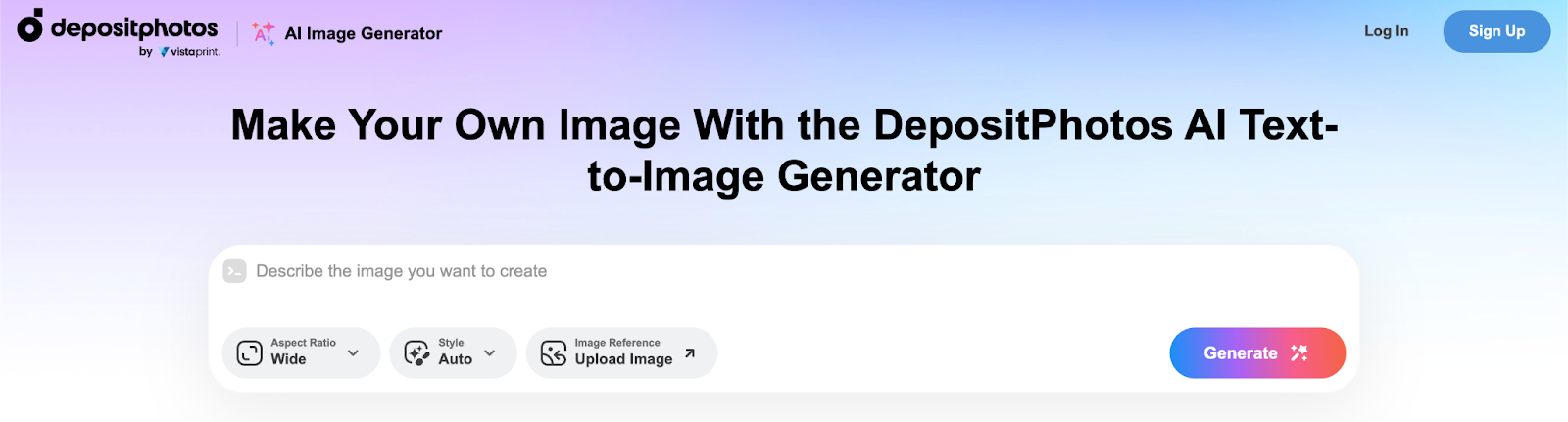
If you’re just getting started with image generation, DepositPhotos is an accessible place to begin. Its AI image generator combines a user-friendly interface with fast results and high-quality outputs. The platform also offers a trial with 10 free generations, allowing you to test the tool before committing to a subscription.
Users will also appreciate the creative ecosystem DepositPhotos has built around its product. Beyond image generation, they can access AI photo examples, prompt inspiration, ready-to-use content collections, and free AI-powered tools such as Background Remover and Image Upscaler.
One of the main advantages of DepositPhotos AI Image Generator is its focus on commercial safety. Images created with the tool are licensed to be used for both print and digital purposes in a commercial context.
When it comes to business applications, the most popular AI image generators aren’t always the safest choice. Major AI companies, such as OpenAI, Meta, and Google, have been linked to the use of copyrighted content during model training.
A former OpenAI researcher stated that the company relied on publicly accessible online data for training, including pirated book archives. Industry insiders note that similar practices have been common across the sector, which is why businesses should carefully evaluate AI tools before using them in commercial projects.
DepositPhotos, by contrast, relies on licensed content for its AI tools. The company developed its image generator in collaboration with Bria.ai, a visual platform dedicated to responsible generative AI. This means businesses can use DepositPhotos AI image generator with confidence, knowing that each visual is properly licensed and protected.
Another important factor for images intended for commercial use is quality. High-resolution visuals create a stronger first impression and help ads look more professional and trustworthy. For this reason, it’s worth reviewing examples of AI-generated images from any tool you plan to work with.
Audiences are already trained to spot AI-generated content, so choosing a tool that produces lifelike visuals is essential. Pay close attention to colors, textures, lighting, and shadows. Small details can make the difference between an image that feels authentic and one that looks artificial.
If you plan to adapt AI visuals across different campaigns and formats, make sure the tool also supports a wide range of visual styles, including photography, illustration, 3D rendering, abstract visuals, and digital art.
In large companies, legal teams often review commercial content to reduce the risk of copyright infringement. Smaller teams and solo creators may not have that support, but they can still protect themselves by choosing licensed AI-generated images.
With tools like the DepositPhotos AI Image Generator, you can create legally safe, copyright-free visuals. All images produced with this tool come with a license that grants lifetime rights for personal and commercial use.
In addition, the tool avoids generating brand names, copyrighted logos, or trademarks. This approach, combined with transparent licensing, allows you to create content faster, focusing on creativity rather than legal risks.
High-quality visuals help build trust, but that trust can quickly disappear if audiences feel misled about how they were created. Nearly 90% of consumers want brands to be transparent about the use of AI-generated imagery. Otherwise, people may view the content as dishonest.
There are several ways to communicate AI usage clearly. You can add a small label or icon directly to the image, or include a short explanation in the image caption or product description.
For audiences who value deeper insight, consider publishing a blog post or creating a dedicated FAQ section that explains how and why AI is part of your content creation process. Including real examples of AI images can further reinforce transparency.
Once you generate images from text using AI, don’t treat them as final assets. Human input—such as creative editing, cropping, collaging, or color correction—helps make visuals more distinctive and ready for commercial use.
To further personalize your designs, incorporate custom typography. Thoughtful font choices and intentional text placement add a human layer that makes the visual feel deliberate rather than automated. As a result, audiences can clearly see that AI is being used as a creative tool, not a replacement for human input.
AI-generated images can match—and sometimes exceed—human-made photos and designs. However, not all AI visuals are safe for commercial use. That’s why you need to choose the best AI image generator, understand licensing requirements, and add human creativity to every asset. By following these rules, you can create original, professional visuals that are both legally safe and commercially effective.