Thinking about leaving Boston for a new state comes with a mix of excitement and nerves. You might feel ready for a fresh start, but the idea of getting everything you own safely out of a city apartment, onto a truck, and across state lines can feel heavy. It is not just the distance. It is the thousand little details in between: building rules, parking, packing, timing, and the worry that something important might be forgotten or damaged along the way.
This is exactly where experienced interstate movers in Boston come in. Their job is not simply to drive a truck from Massachusetts to your new state. They help shape the entire process so you are not managing every call, every box, and every deadline alone. When you know what a good team actually does before, during, and after the move, the whole idea of relocating starts to feel less like a gamble and more like a structured plan you can follow step by step.
Interstate movers who work out of Boston deal with more than just long drives. Many interstate moving companies in Boston are licensed to operate across state lines and must follow federal regulations that cover everything from how they weigh shipments to how they handle contracts and claims. Behind the scenes, there is a framework built to protect both you and the company, and a good mover will not hide that.
On a practical level, interstate movers handle the full journey of your belongings. They can help with packing, loading, transport, and unloading, and may also offer storage options if you need time between homes. The real value is that they are used to dealing with city logistics on one end and neighbourhood or suburban layouts on the other.
Interstate pricing is more structured than many people expect. For most long-distance moves, the cost is based on the weight of your shipment, the distance between homes, and the level of service you choose, such as full packing, fragile-only packing, or simple loading and transport. After the survey, the company will usually send a written estimate that lays out these factors in everyday language rather than confusing codes.
This is a good time to slow down and ask questions. If something is unclear, ask them to explain it in plain language. Reliable movers are not afraid to talk through the details. They will explain the difference between types of estimates, how they handle additional items that appear on moving day, and what happens if your delivery window changes. Having this clarity upfront reduces stress and gives you a sense of control over a process that can otherwise feel vague and intimidating.
Once you decide to move forward, preparation becomes the main focus. In the weeks leading up to your move, you will likely work on sorting, donating, and deciding what actually needs to cross state lines with you. Most people underestimate how much they own until they start opening closets and drawers. Editing your belongings before the movers arrive saves money and makes unpacking easier later.
Interstate movers can offer guidance on how to prepare each room, even if they are doing most of the packing for you. They may suggest setting aside important documents, valuables, and essentials you will keep with you during travel. They can also share tips on making access easier: clearing hallways, reserving elevators, or arranging for building management to be aware of the move.
For interstate moves, careful tracking is essential. Movers will typically create an inventory of your items as they are loaded onto the truck. Each box or piece of furniture receives a tag or number, and the inventory list documents what is going on board. This system helps you and the company stay aligned about what is being transported and makes it easier to identify any issues later.
You will usually receive a copy of this inventory, and it is worth reviewing. Even if you do not check every line, having a clear record offers peace of mind. At delivery, this same list is used as items come off the truck. You can see what arrives, flag anything that looks different from what was expected, and make notes if something appears damaged. That level of organization may feel formal, but it is an important protection for both sides when belongings are crossing state lines.
On moving day, the crew’s first priority is safety and access. They assess truck positioning, protect floors and walls, and plan how to move items through tight spaces without damage. In Boston, that can mean navigating narrow streets, resident parking, or timed loading zones. Good movers in Boston factor this into their arrival time and bring the proper equipment for the building and street.
Inside your home, the process is steady and calm rather than rushed. Furniture is disassembled if needed, wrapped, and carried out with a clear path in mind. Boxes are loaded in a logical order to keep the truck secure. You will likely notice the inventory process as items leave the home. Crew members may check in about anything uncertain, such as loose belongings or last-minute questions about what should stay or go. Your role is to remain available for decisions while trusting the team to handle the physical work.
Once the truck leaves Boston, it is normal to feel a bit exposed. Your home in Massachusetts is empty, your new place is not set up yet, and almost everything you own is somewhere between the two. This is where communication makes a big difference. Interstate movers typically provide a delivery window rather than an exact date, based on distance, routing, and other shipments they may be coordinating.
During this period, you should receive updates about scheduling, progress, and any changes that might affect timing. A good moving company will tell you how to check in, who to contact with questions, and what to expect if weather or traffic disrupts the original plan. It is completely reasonable to ask for clarity here. You do not need minute-by-minute tracking, but you should not feel like your belongings have vanished into the unknown. Healthy communication eases anxiety and helps you plan your own travel with more confidence.
A long-distance move comes with many unknowns, and you can ask more than just “what time will you arrive?” Ask how your belongings are protected in bad weather, whether your shipment will be combined with others, how delays are handled, and about licenses, insurance, and claims procedures.
You can also request practical advice for your situation—moving with pets, downsizing, or starting a new job soon after arrival. Experienced interstate movers welcome questions and provide clear answers, helping you feel secure during this major life transition.
Most movers work hard to serve customers well, but it is still important to recognize warning signs. Vague estimates without written details, pressure to sign quickly, or refusal to explain charges should raise concerns. The absence of proper documentation, such as licensing information and clear terms of service, is another red flag. If something feels off during early conversations, trust that instinct and explore other options.
On the positive side, look for movers who are patient, transparent, and open about how they work. They should be willing to explain the process, from survey to inventory to delivery. They should not dismiss your questions or make you feel like you are asking for too much. Moving across state lines is a big step, and you deserve a team that treats your move with care and seriousness.
Crossing state lines from Boston can feel daunting, but it doesn’t have to be. Understanding how interstate movers operate, what they handle, and how to prepare makes the process smoother. Clear estimates, careful packing, detailed inventory, and consistent communication help protect your belongings and peace of mind.
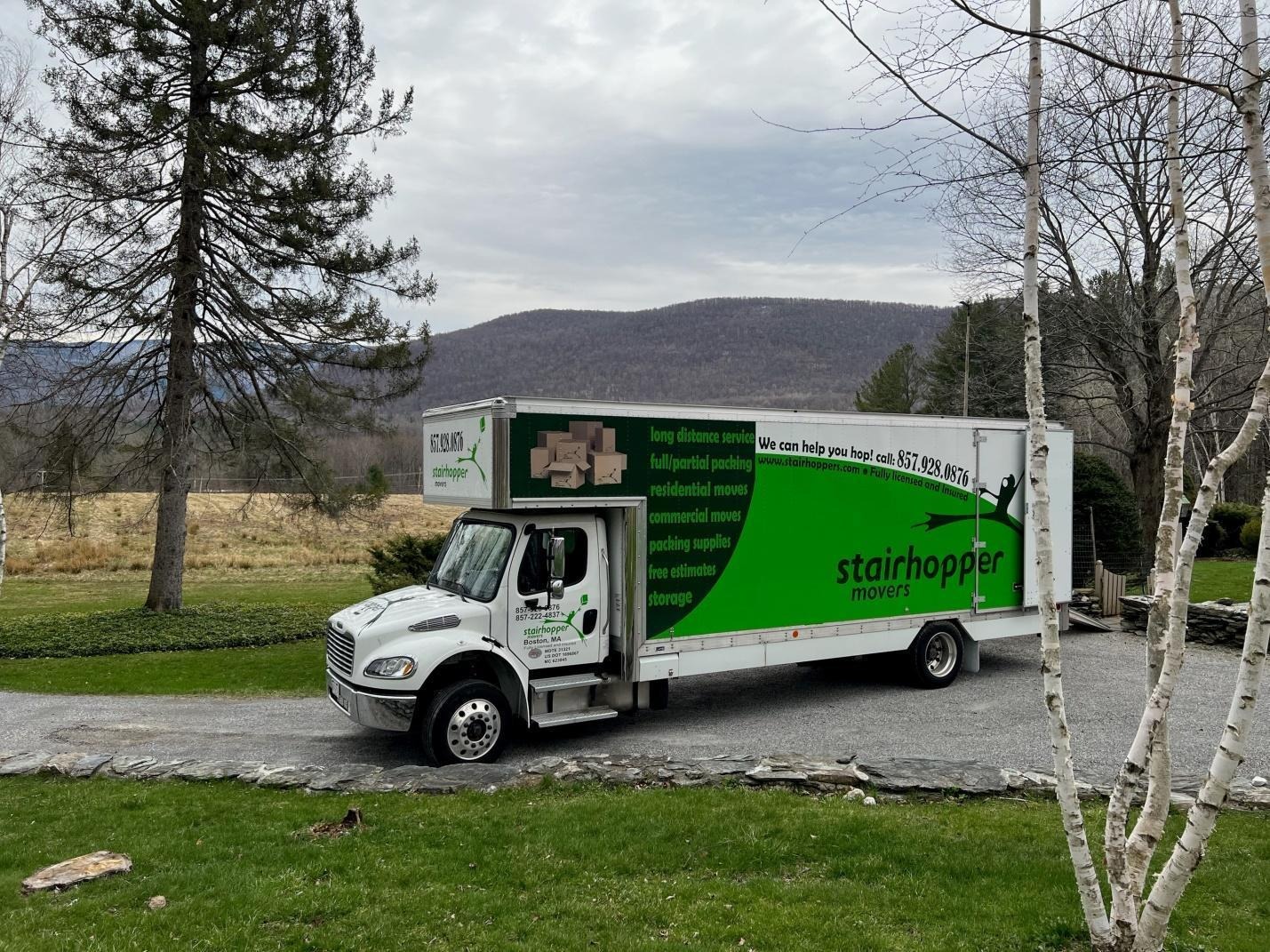
For those navigating Boston’s tight logistics and long-distance moves, Stairhopper Movers is a trusted choice. Their team emphasizes planning, careful handling, and timely updates, helping families and professionals move out of Massachusetts with confidence.
Question: How far in advance should I book interstate movers when leaving Boston?
Answer: It is usually best to book several weeks to a few months in advance, especially during busy times like late spring, summer, and early fall. The farther you are traveling and the more flexible your dates need to be, the more valuable that early booking becomes. Planning ahead gives you better date options, more time to prepare your home, and more room to handle paperwork or building requirements.
Question: How is pricing usually calculated for an interstate move?
Answer: Most interstate moves are priced based on the weight of your shipment, the distance between your current home and your new address, and the services included, such as packing or storage. After a survey of your belongings, movers provide a written estimate that explains how they arrived at the number. Clear, detailed pricing is a good sign that you are working with a transparent company.
Question: Do I need professional packing for a long-distance move?
Answer: You do not have to use professional packing, but it is worth considering for fragile, heavy, or high-value items and for rooms that feel overwhelming to handle alone. Long-distance moves involve more time on the road, and professional packing helps protect belongings from shifting, stacking, and vibration. If you prefer to pack most items yourself, you can still ask your movers for guidance, recommended materials, and help with specific pieces.
Question: What should I keep with me instead of sending it on the moving truck?
Answer: It is usually smart to keep important documents, jewelry, small electronics, medications, a few changes of clothes, and basic personal items with you rather than packing them in the truck. Think about what you would need if there were a delay or if you arrived before the shipment. Keeping these essentials close reduces stress and gives you a safety net while everything else is in transit.
Question: How long does it usually take for my belongings to arrive in another state?
Answer: The delivery window depends on how far you are moving, the specific route, and how your mover schedules shipments. For some nearby states, delivery may happen within a few days. For longer distances, it can take a week or more. Instead of a single date, movers typically give you a range and then update you as the schedule firms up.
Question: What happens if something is damaged during the move?
Answer: If you notice damage at delivery, it is important to point it out promptly and note it on any paperwork the movers provide. Take photos and keep any broken pieces or packaging if possible. Interstate movers are required to offer certain levels of valuation coverage, which affects how compensation is calculated. Before your move, ask your company to explain their coverage options and claims process in clear terms.