Oriental rugs can range in price from under a hundred dollars for a machine-made imitation to millions of dollars for a museum-quality antique masterpiece. What accounts for this extraordinary range? The value of an Oriental rug is determined by a complex interaction of factors, some objective and measurable, others more subjective and taste-dependent.
Whether you are buying your first rug or adding to a serious collection, understanding what drives value will help you make smarter decisions and appreciate what you own.
Knot density measured in knots per square inch (KPSI) is one of the most reliable objective indicators of a rug's quality and, by extension, its value. Higher knot counts allow for more intricate designs, finer detail, and longer durability. A rug with 500 KPSI can render curvilinear patterns and subtle color gradations that are simply impossible at 100 KPSI.
Fine silk Qom rugs from Iran can achieve 800 to 1,000+ KPSI. At the other end, tribal rugs might have 50 to 100 KPSI which does not make them less valuable in an absolute sense, but explains differences in pricing between styles. When comparing similar rugs, higher knot density generally means higher value.
The materials used in a rug significantly affect its value, durability, and aesthetic appeal. Silk rugs are among the most expensive because silk production is costly, silk is difficult to work with, and the fine threads allow for exceptional knot density and luminosity. A room-sized silk Persian rug from Qom or Kashan can cost more than a luxury car.
Wool is the most common material in Oriental rugs and varies widely in quality. Kork wool taken from the soft underbelly of sheep grazed in specific highland pastures is the most prized weaving wool, producing a pile that is silky, lustrous, and extremely durable. Machine-spun or low-grade wool is coarser and wears down more quickly.
Age can dramatically increase or decrease a rug's value, depending on condition and rarity. Genuine antique rugs (100+ years old) and semi-antique rugs (50 to 100 years old) in good condition are highly sought after by collectors. Their value comes from the irreplaceable nature of their natural dyes, historical significance, and craftsmanship from eras before synthetic materials.
Provenance documented history of a rug's ownership and origin adds additional value. A rug with a clear chain of ownership, exhibition history, or connection to a notable collection commands a premium. Rugs with unknown or disputed provenance present uncertainty that can suppress prices.
Where and by whom a rug was made matters enormously. Rugs from prestigious weaving centers like Tabriz, Isfahan, Kashan, Qom, and Heriz in Iran are valued partly for their regional reputations built over centuries. When a rug from one of these centers comes to market, buyers know they are purchasing something with a specific artistic tradition behind it.
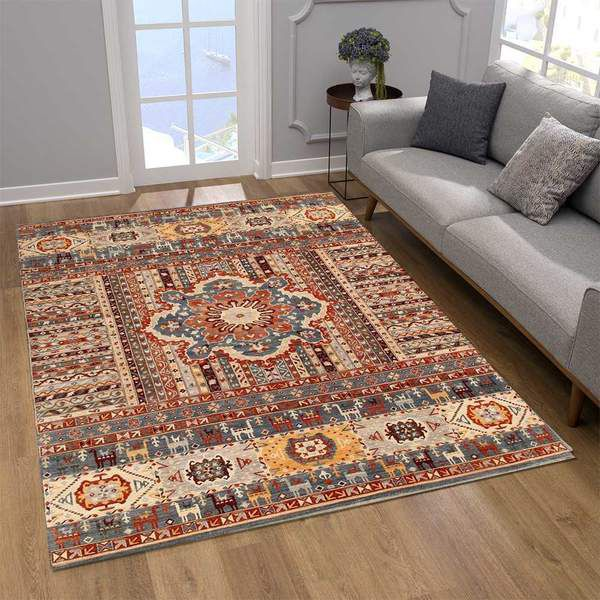
Tribal rugs have their own value hierarchy. Authentic Qashqai, Bakhtiari, Shahsavan, and Baluch pieces, especially older examples with natural dyes, are prized by collectors who appreciate their raw artistic expression and cultural authenticity. The difference between a tribal rug woven by nomads for their own use and a commercial reproduction can be enormous.
The type of dye used affects both aesthetic quality and longevity. Natural dyes derived from plants (indigo, madder, walnut husks, pomegranate) and animals (cochineal, kermes) produce colors with extraordinary depth, subtlety, and a quality of aging gracefully. Natural-dyed rugs often become more beautiful over time as colors mellow and develop patina.
Synthetic (aniline) dyes, introduced in the late 19th century, are less stable; they can run when wet, fade unevenly with sunlight exposure, and often lack the rich complexity of natural dyes. Rugs made before the widespread adoption of synthetic dyes (generally pre-1870s) are especially prized by collectors for their all-natural palettes.
Design quality and artistic merit are more subjective but genuinely important value factors. An exceptionally well-drawn medallion, an unusually sophisticated color composition, or a design attributed to a known master weaver or designer can significantly elevate a rug's value.
Certain patterns have broader market appeal and therefore command higher prices. Rugs featuring hunting scenes, garden designs, figural imagery, or complex pictorial compositions are particularly sought after by collectors. An extraordinarily designed rug in any tradition can transcend ordinary market pricing.
Condition is one of the most critical value factors for any rug, especially older pieces. Appraisers examine pile height and evenness, presence of wear spots or bare patches, structural integrity (warp and weft threads), color stability, any signs of repair, and the condition of borders and fringes.
A beautifully designed antique rug in poor condition may be worth a fraction of the same rug in excellent condition. Professional restoration can sometimes rehabilitate a damaged piece, but wholesale repairs or re-dyeing will reduce value compared to an unrestored original. Buyers should always request a full condition report before purchasing valuable rugs.
Size matters both practically and economically. Room-sized rugs (8x10 feet and larger) are generally more expensive per square foot than smaller pieces because they require proportionally more time, labor, and materials to produce. A large, room-filling Tabriz rug represents an enormous investment of weaving time, sometimes several years for a single master-quality piece.
However, certain small formats such as prayer rugs, small tribal bags, and miniature silk rugs have their own collector markets and can command prices that exceed their size. The relationship between size and value is never purely linear.
The most valuable Oriental rugs combine multiple favorable factors: high knot density, premium materials, prestigious regional origin, natural dyes, exceptional design, excellent condition, documented provenance, and significant age. When most of these factors align, values can be extraordinary. When you understand these eight factors, you are equipped to evaluate any rug with confidence and to recognize exceptional value when you find it.
Media Details
Phone: +44 020 8735 0701
Email: [email protected]
Address: Sharafi and Co, First Floor, Unit 9, Park Royal Oriental Carpet Center, 1 Chandos Road, London, United Kingdom
Website: https://sharafiandco.com/