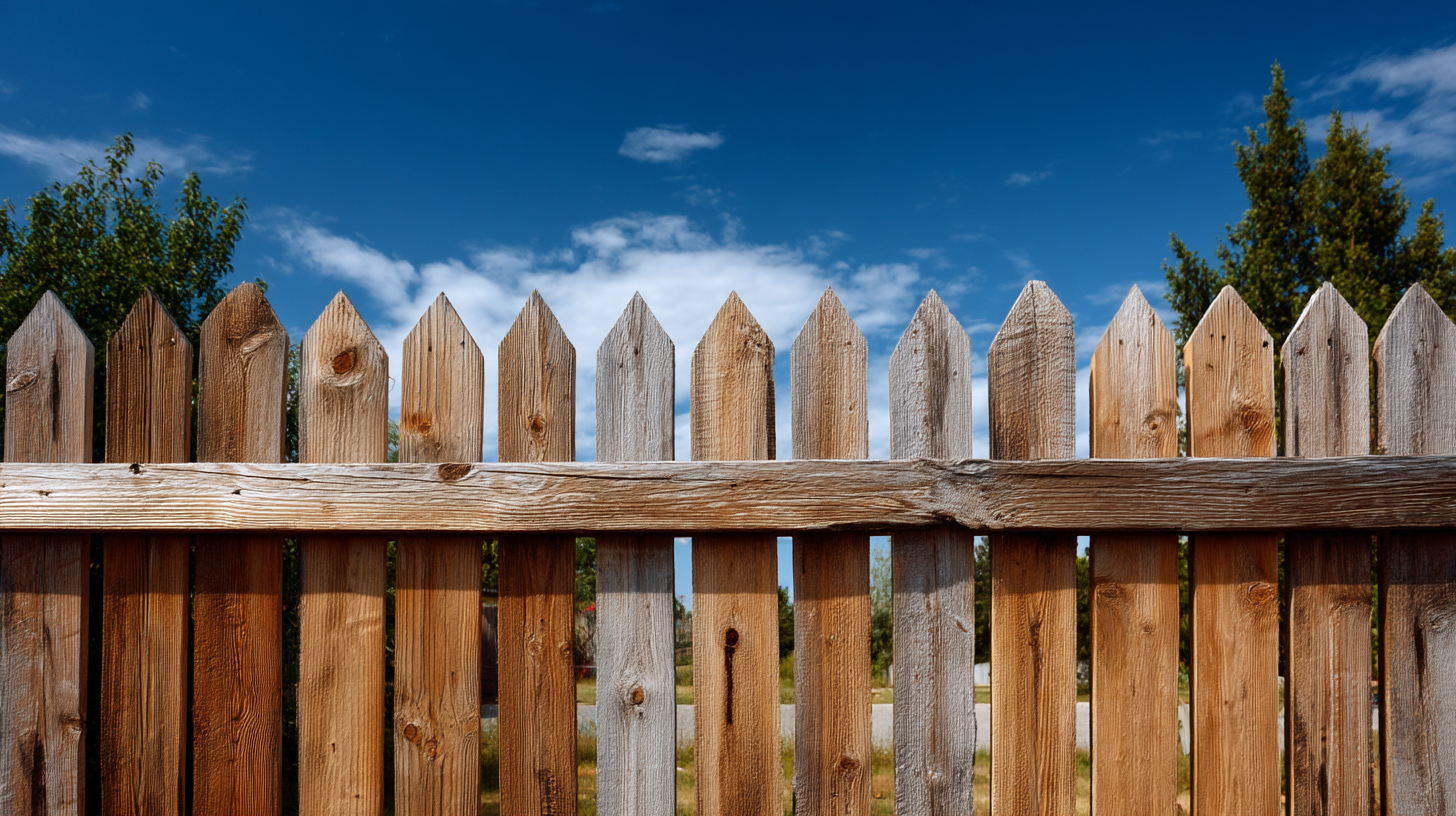
Building a wood fence is one of the most effective ways to improve privacy, security, and curb appeal. Wood fencing remains a popular choice because it is versatile, customizable, and generally more affordable than many other fencing materials. With the right planning and proper installation techniques, a wood fence can last 15 to 20 years or more.
However, building a fence involves more than simply attaching boards to posts. The durability and appearance of the finished structure depend on careful layout planning, correct post installation, and selecting quality materials. This guide walks through how to build a wood fence step by step so homeowners can approach the project with confidence.
Proper planning is one of the most important steps in any fence installation. Taking the time to prepare helps prevent mistakes and ensures the fence meets local regulations.
Before construction begins, confirm the exact location of your property lines. Installing a fence even slightly outside your boundary can create disputes with neighbors and may require costly adjustments later.
Many cities and homeowner associations also regulate fencing. Local rules may include:
Another important step is contacting local utility marking services before digging. Underground lines for gas, water, and electricity may run through your yard, and locating them prevents serious safety risks.
Selecting the right materials will influence both the appearance and lifespan of your fence.
Pressure-treated pine is the most common choice for residential wood fences because it resists insects and moisture. It is affordable and widely available.
Cedar is another popular option known for its natural resistance to rot and insects. Cedar fences typically cost more but offer improved durability and a distinctive appearance.
Some homeowners also choose redwood or other specialty woods for premium projects.
In addition to material selection, choose a fence style that matches your goals. Common styles include:
Each design provides different levels of visibility and airflow.
Before starting the project, gather the necessary tools and materials.
Most wood fence installations require:
Having the right tools ready will make the installation process more efficient.
Typical wood fence materials include:
Using high-quality materials helps ensure the fence remains strong and visually appealing for many years.
Once the planning and materials are ready, construction can begin.
Start by mapping the fence line using stakes and string. This helps ensure the fence follows a straight path and stays aligned with your property boundary.
Fence posts are typically spaced six to eight feet apart, depending on the design and materials used. Maintaining consistent spacing will make the rest of the installation much easier.
Fence post holes should generally be dug to a depth equal to one-third of the total post height. For a six-foot fence, this usually means digging holes about two feet deep.
In colder climates, posts should extend below the frost line to prevent shifting caused by freeze-thaw cycles.
Adding several inches of gravel at the bottom of the hole improves drainage and helps protect the base of the post from moisture.
Fence posts serve as the structural foundation of the entire fence, so proper installation is critical.
Place each post into the hole and use a level to ensure it is perfectly vertical. Once aligned, pour concrete around the base of the post to secure it in place. Allow the concrete to cure before attaching any rails.
Post alignment and spacing should be checked carefully during this step. Even small errors can affect the overall appearance and strength of the fence.
For larger fence installations or complex layouts, some homeowners consult experienced professionals such as Fantastic Fence to help ensure the structural posts are installed correctly and the fence remains stable over time.
After the posts have fully set, horizontal rails can be attached between them. Most privacy fences use two or three rails, depending on the height of the fence.
Attach the rails securely using exterior-grade screws or galvanized fasteners designed for outdoor use. Proper fastening helps prevent rust and ensures the rails remain secure over time.
Maintaining consistent alignment across all posts will create a uniform and professional appearance.
With the rails installed, the vertical pickets can be attached.
Spacing should remain consistent along the fence line. Using a spacer board during installation helps maintain even gaps between pickets.
Regularly check alignment to ensure the top of the fence remains straight. In some cases, homeowners trim the tops of pickets after installation to achieve a perfectly level finish.
Post caps serve both practical and decorative purposes. They protect the tops of fence posts from moisture, helping prevent rot and extending the life of the fence.
Many homeowners also choose to stain or seal wood fences after installation. Protective coatings help reduce moisture absorption and protect the wood from sun exposure.
Even well-planned fence projects can encounter problems if certain steps are overlooked.
Posts that are too shallow often lead to leaning or unstable fences. Proper depth and concrete footings are essential for long-term stability.
Uneven spacing between posts can make panel installation difficult and weaken the overall structure.
Although some DIY installers skip concrete to save time, this often results in posts shifting or loosening over time.
Sloped yards require careful planning to maintain a consistent fence height and appearance.
While many homeowners successfully build their own fences, some situations make professional installation a better choice.
These situations may include:
In these cases, working with an experienced Fence Company can help ensure proper installation techniques and long-term structural durability.
A well-built wood fence can last many years with proper maintenance.
Homeowners can protect their fence by:
Routine maintenance helps prevent small problems from becoming larger structural issues.
Learning how to build a wood fence involves careful planning, proper materials, and attention to structural details. While the process can be completed as a DIY project, the long-term durability of the fence depends largely on how well the posts are installed and how consistently the fence is maintained.
By following proper installation steps and maintaining the fence over time, homeowners can create a durable structure that improves privacy, security, and overall property value.