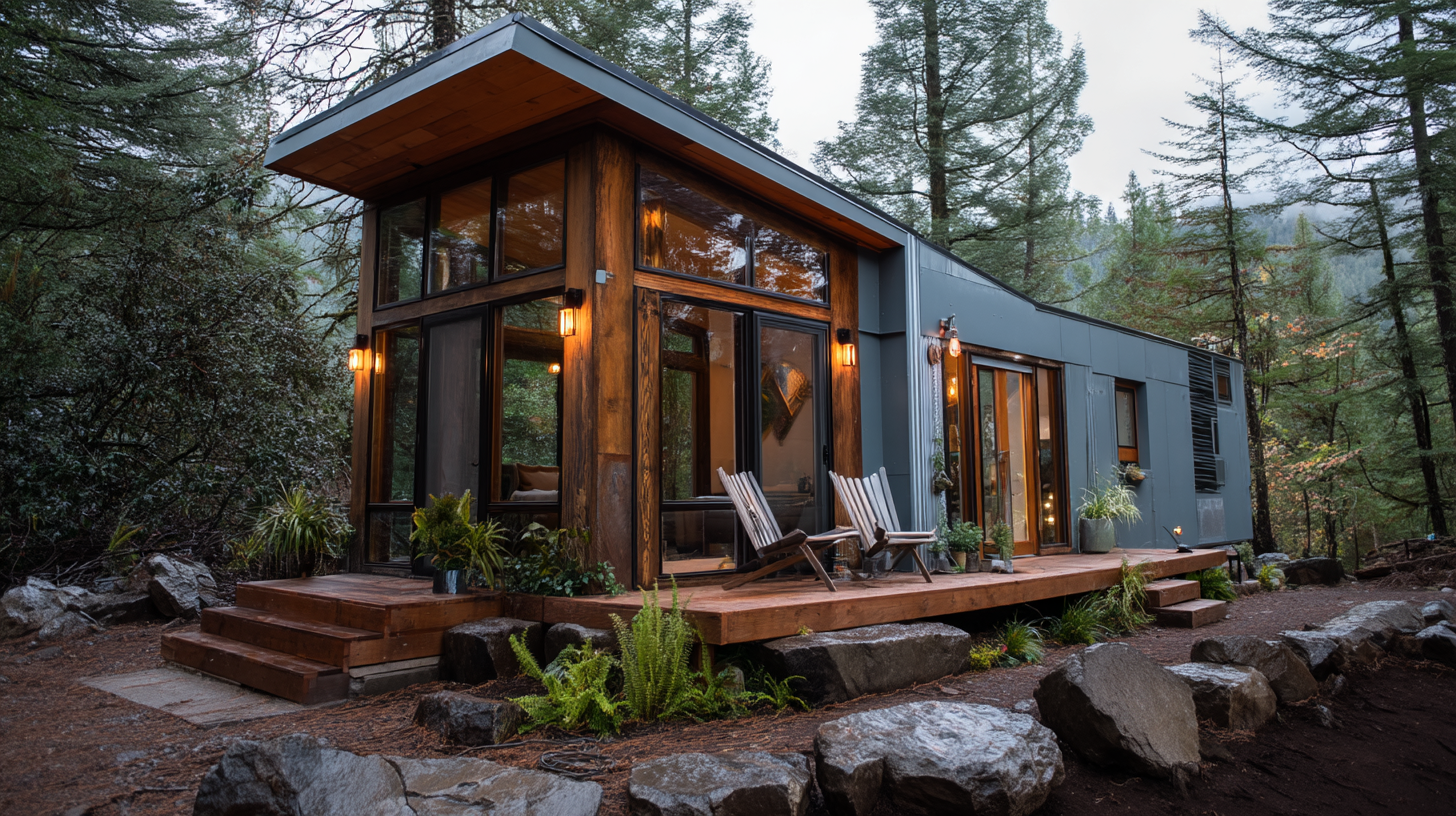
Tiny homes have grown in popularity as homeowners look for more affordable, efficient, and minimalist living solutions. Whether someone wants to downsize, create a guest house, or add an accessory dwelling unit to their property, the appeal of tiny homes often starts with one important question: how much does it cost to build a tiny house?
The answer can vary significantly depending on factors such as size, design complexity, materials, location, and infrastructure requirements. While tiny homes are generally less expensive than traditional houses, the total cost involves more than just the structure itself. Planning, permits, utilities, and engineering all play a role in determining the final price.
This guide breaks down the real costs of building a tiny house and the factors homeowners should consider before starting a project.
Before discussing cost, it’s important to understand what qualifies as a tiny house. The term is commonly used for homes that are significantly smaller than traditional houses, but there are different categories.
Tiny homes on wheels are built on trailers and designed to be portable. They are often used for flexible living arrangements or placed in locations where permanent construction is not feasible.
Tiny homes built on permanent foundations function more like traditional houses. They are connected to utilities and must comply with local building codes and zoning regulations.
The type of tiny home you choose can influence both the construction process and the final cost.
Tiny house costs can vary widely depending on the approach taken.
Most tiny house projects fall into one of the following ranges:
DIY projects can reduce labor costs but require time, construction knowledge, and careful planning.
Professionally built tiny homes generally cost more but often provide better structural reliability and compliance with building codes.
Interestingly, tiny homes often cost more per square foot than traditional houses. Tiny homes frequently range from $200 to $400 per square foot, while standard homes may average lower costs per square foot.
This happens because smaller homes still require many of the same systems as larger houses, including kitchens, plumbing, electrical systems, and insulation.
Several key factors determine the final price of a tiny house project.
The design stage plays an important role in determining overall cost. Efficient layouts and smart use of space are essential in tiny homes.
Some homeowners choose pre-designed models, while others prefer custom layouts that match their lifestyle needs. Custom plans often allow for features such as loft sleeping areas, multi-purpose furniture, and compact storage solutions.
Homeowners exploring custom designs often work with experienced tiny home builders like Golden State ADUs who specialize in compact residential construction and space-efficient layouts.
Land costs are often overlooked when people estimate the price of building a tiny house.
Before construction begins, the property may require:
In some cases, land preparation costs can equal or exceed the price of the tiny home structure itself.
Even small homes must meet local building codes and zoning regulations. Depending on location, this may require engineering plans and permit approvals.
Engineering assessments may include:
Professional planning services provided by firms such as Golden State Design and Engineering can help ensure tiny home projects meet local requirements and avoid delays during the permitting process.
Material selection has a major impact on both the cost and longevity of a tiny house.
Important materials include:
Premium materials often increase upfront costs but may reduce maintenance expenses over time.
Tiny homes require the same essential systems as traditional homes.
These may include:
Some tiny homes use off-grid systems such as solar power or rainwater collection, which can add additional costs during installation.
Many first-time builders focus on construction costs but overlook several additional expenses.
For tiny homes on wheels, transportation from the builder to the final location may require specialized equipment.
Tiny homes built on permanent foundations require excavation and concrete work, which adds to the overall cost.
Connecting water, sewer, and electrical systems can involve permits and infrastructure installation.
After construction, homeowners may still need to install driveways, walkways, drainage systems, or fencing.
One of the biggest decisions homeowners face is whether to build a tiny house themselves or hire professionals.
DIY projects can significantly reduce labor costs and allow full customization of the design.
However, DIY construction requires time, building knowledge, and careful attention to structural and safety requirements.
Professional builders typically provide:
For many homeowners, the added expertise helps ensure the project meets local regulations and long-term durability standards.
Building a tiny house can be more affordable with careful planning.
Consider these strategies:
Proper planning can prevent costly changes later in the construction process.
So, how much does it cost to build a tiny house? For most homeowners, the total cost typically ranges between $30,000 and $150,000 or more, depending on design choices, materials, infrastructure, and location.
While tiny homes are smaller, they still require careful planning, engineering, and construction to ensure they are safe, functional, and compliant with local building codes. By understanding the factors that influence cost and preparing for the full scope of the project, homeowners can make more informed decisions and create a compact living space that fits their needs.