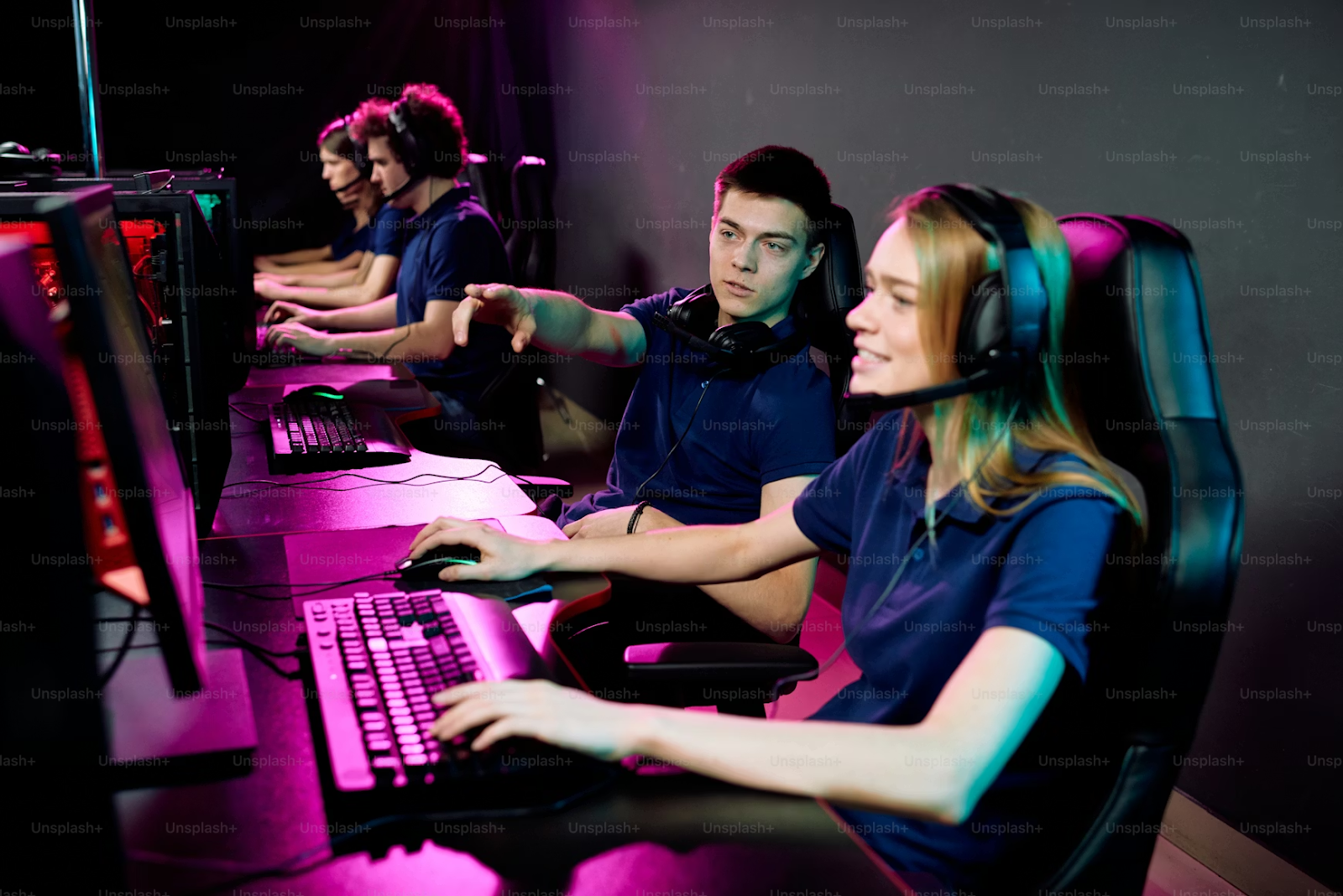
Many people assemble their virtual teams prior to the real game. The "EA Sports FC" sports video game provides virtual player transfer data in "real time," which allows users to edit their lineups based on the most recent trades of real players. Similarly, "NBA 2K" has the same capability as EA Sports FC for updating player lineups based on real player trades. Sports video games have transitioned from an arcade-style game to a true representation of the sports world, with the latest player ratings, live commentaries, and stadium experiences all provided by the game. Players are no longer limited to playing within the confines of the game; sports video games are becoming a "true" sporting experience.
When you play games like EA Sports Madden, you are playing a simulated version of the NFL that was built using data provided to EA through legal agreements. Like how fans research the differences between known online casino websites versus unverified online casino websites (Turkish: bilinmeyen slot siteleri), you can determine whether a video game was created by an individual or entity that has the necessary permissions and data to create it. In order to simulate the atmosphere of the stadium, EA captures and incorporates real crowd audio into its simulated Anfield and Chase Center environments. For example, players can now compete in NBA 2K using digital replicas of the player(s) they watch on television and compete in EA Sports using the uniforms worn by their favorite teams. These similarities foster an emotional connection with the sport that is being played.
Therefore, as a result of the similarity between digital and broadcast, users' behaviors have changed. Users identify line-ups, reference in-game commentary to what is happening in real time, and reference real statistics when making commentary. Additionally, the season update cycle reflects real-world injuries and suspensions; therefore, the collective combination of digital and broadcast provides the user with an environment to be connected to their console, and build an ecosystem/community around the gaming experience rather than replace the match day experience.
Modern sports simulators use ranked seasons, weekly tournaments, and global leaderboards, like FIFA Ultimate Team and NBA 2K Pro-Am, to sustain long-term competitive engagement.
Some major features in organized play include:
These systems target serious players, letting them track win-loss records, adjust strategies, and study opponents to refine performance over time. This combines to create an environment that enables organized sport to take its practice to a higher level.
The Flashy graphics of modern sports games do not sell the games on their own. They utilize complex systems that simulate timing, fatigue, momentum, and decision-making throughout the game in a measurable way. Developers combine player motion capture, real-life statistical databases, and live update performance stats to mimic real competition. FIFA incorporates HyperMotion Technology, which uses machine learning to create more realistic movement patterns based on real player movements. MLB The Show games use pitch speed, spin rate, and exit velocity for a more realistic simulation of baseball. All of these simulation mechanics lead to a more realistic experience of playing a real sports game. All emulate the feeling of being on the field and making real game-time decisions.
Modern sports games rely on advanced physics engines to simulate ball movement and player interaction. EA Sports FC uses integrated body systems to calculate power, posture, and positioning in real time. For fans who follow match highlights and gameplay breakdowns through communities like MelBet Facebook Türkiye, these small mechanical details are easy to notice and often discussed because they directly influence realism. NBA 2K factors in ratings, stamina, and proximity between shooter and defender to determine shot difficulty. These mechanics are not cosmetic; they directly shape outcomes and reward precise control.
Player attributes update each season based on real-world performance, so a breakout year can boost in-game dominance. Defensive rotation tightens passing lanes, while slight positioning errors cause mistimed tackles. Margins are slim, just like in real competition, and that tension keeps players invested.
Rushed short matches create real-life practice, while longer career mode matches foster emotional engagement. The Madden NFL franchise model incorporates real-world elements such as salary caps, draft classes, player contracts, and negotiations across multiple seasons. Football Manager is lauded for the depth of its database and the accuracy of its real-world player, coaching, and staffing records with comprehensive reporting.
Notable long-term features are:
Players must build and sustain long-term plans, just like real front offices. Managing injuries, form, and transfers creates evolving storylines, turning control of characters into stewardship of a club that can span decades.
Mobile sports games are currently the fastest-growing sector in sports gaming. They make billions every year with games such as FIFA Mobile and NBA 2K Mobile, accumulating millions of downloads. Mobile games' touch control has evolved with the addition of quick and stable connections to provide a better user experience. Game developers have optimized their games to operate at 60 FPS to provide a better experience to players in Asia and Latin America, and have performed well on mid-range devices.
Below is a snapshot of how mobile simulation compares to console ecosystems:
Mobile growth is not casual expansion; it is structural dominance in emerging markets, where consoles remain luxury purchases.
The evolution of competitive gaming goes beyond simply gaming in their bedrooms. Electronic Arts runs Global Series qualifiers with million-dollar prize pools, while the NBA 2K League features franchise teams officially affiliated with NBA clubs. The gaming industry is modeled after professional sports drafts, gaming seasons, and playoff structures.
Pro gamers analyse their opponents and make use of high-level analytical tools to dissect their opponents’ strategies. Gaming prize pools reach seven figures, and tournaments stream on YouTube and Twitch, drawing hundreds of thousands of viewers at peak moments. The money to watch, the rights to the game, and the prize money make gaming like competitive sports.
Device-based separation in sports games is fading fast. Cross-play now connects console, PC, and sometimes mobile users in the same matchmaking pools. That wider network shortens queue times and raises overall competition levels. Cloud saves also let players continue their careers on whichever device they last used, keeping progress consistent and accessible without manual transfers.
This model matches modern viewing habits. Sports fans expect instant access and smooth transitions between devices. Developers focus on infrastructure while players drive the action. Digital competition may be virtual, but its scale mirrors real-world leagues.