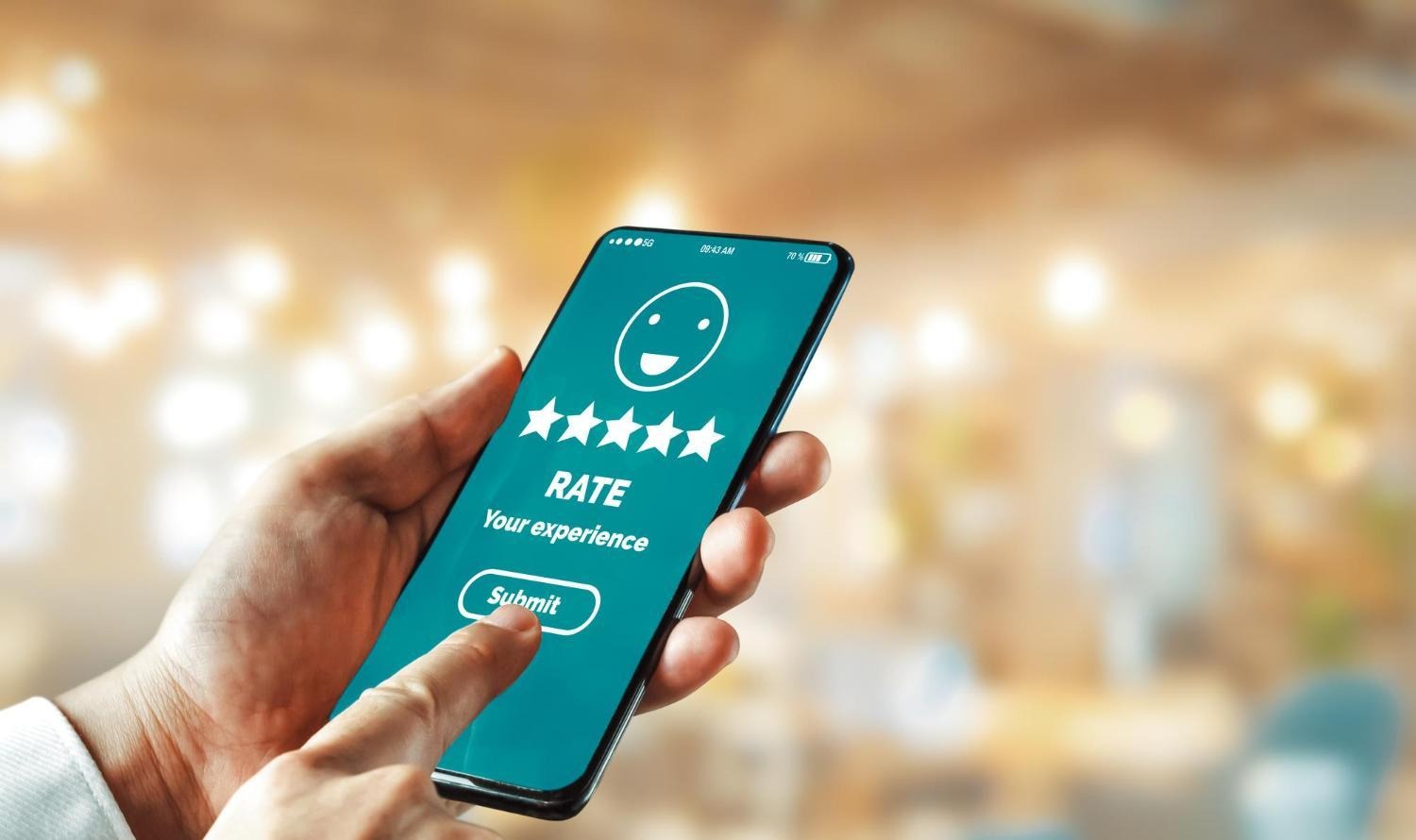
For decades, customer experience began at the entrance. A storefront’s appearance, a host’s greeting, or a receptionist’s tone set the stage for everything that followed. Today, however, the first impression rarely happens in person. It happens on a smartphone.
Across Montgomery County and the broader North Penn region, businesses are discovering that their digital presence often determines whether a customer ever walks through the door. A search result, a mobile website, or an app interface can shape perception in seconds. If that experience feels slow, confusing, or outdated, the opportunity may disappear just as quickly.
In a market where competition extends beyond neighboring storefronts to national platforms and online marketplaces, mobile experience has become a defining factor in local business success.
Smartphones have fundamentally reshaped consumer behavior. People research restaurants while sitting in their cars, compare service providers during lunch breaks, and schedule appointments between errands. Even spontaneous purchases often begin with a quick search.
According to the Pew Research Center, a significant majority of adults in the United States now rely on smartphones as their primary way of accessing the internet. For many consumers, especially younger demographics, desktop browsing has become secondary.
This shift means that a company’s mobile presence is not simply an extension of its brand, it is often the brand’s primary interface.
A local café’s website must load quickly. A contractor’s contact form must be simple to complete. A healthcare practice’s booking tool must function smoothly on a small screen. When these systems work well, customers hardly notice. When they don’t, frustration builds immediately.
Large corporations have invested heavily in seamless digital experiences. One-click purchasing, app-based loyalty programs, and instant confirmations have become standard.
Local businesses in North Penn compete within that same expectation framework. Customers do not lower their standards for smaller companies. If anything, they expect equal convenience combined with personal service.
When a mobile checkout process stalls or a booking confirmation fails to send, it signals unreliability, even if the business itself is highly reputable.
Mobile performance now carries reputational weight.
Increasingly, businesses are moving beyond mobile-responsive websites and investing in dedicated apps. Restaurants offer mobile ordering and rewards programs. Fitness studios allow class scheduling through apps. Retailers send push notifications about new arrivals and promotions.
Apps create direct communication channels. They allow businesses to maintain relationships with customers long after an initial visit.
However, building an app is only the beginning. Maintaining its performance is what protects customer trust.
If an ordering app crashes during dinner rush or a loyalty program fails to load, customers may abandon it entirely. Visibility into user behavior and performance issues becomes critical.
This is where platforms such as Apptics provide meaningful support. By monitoring app stability, tracking user engagement, and identifying performance bottlenecks in real time, tools like Apptics help businesses understand how customers interact with their mobile platforms, and where improvements are needed.
In competitive regional markets, those insights can make a measurable difference.
Digital friction is expensive.
A slow-loading page increases bounce rates. A complicated sign-up process discourages repeat use. A technical glitch during payment can result in lost sales.
What makes digital friction particularly challenging is how invisible it can be. Business owners may not realize that customers are abandoning transactions midway unless they have access to detailed analytics.
Data-driven insight allows companies to pinpoint where users exit and why. That information transforms mobile presence from static necessity into strategic asset.
In an environment where customers can compare multiple providers within seconds, reducing friction is not simply about aesthetics. It is about protecting revenue.
North Penn businesses often rely on strong community relationships. Long-standing reputations, word-of-mouth referrals, and local loyalty remain powerful.
Mobile experience enhances, rather than replaces, that foundation.
When customers can easily book appointments, reorder products, or receive updates through their phones, convenience strengthens loyalty. Seamless digital touchpoints reinforce the professionalism customers already associate with trusted local businesses.
Moreover, positive mobile experiences encourage online reviews and referrals, extending reputation beyond physical geography.
Commerce today exists in hybrid form. A customer may browse online, visit in person, and reorder later through an app. Each touchpoint contributes to overall perception.
Mobile infrastructure must support this fluid movement between digital and physical spaces. Reliable systems ensure that a coupon sent via app scans correctly in-store. Appointment confirmations sync with scheduling systems. Notifications align with actual availability.
When these elements function cohesively, customer experience feels effortless.
For many local businesses, upgrading mobile infrastructure may feel daunting. Yet the cost of neglecting it can be greater.
The “digital front door” now opens before the physical one. It shapes expectations, signals professionalism, and determines whether customers proceed or pivot elsewhere.
Smartphone-first engagement is not a trend confined to major cities. It defines consumer behavior across suburban and regional communities, including North Penn.
Businesses that recognize this shift, and invest in performance monitoring, usability, and data-driven refinement, position themselves for sustainable growth.
In today’s marketplace, customer experience no longer begins at the counter. It begins with a tap. And increasingly, that tap decides everything that follows.