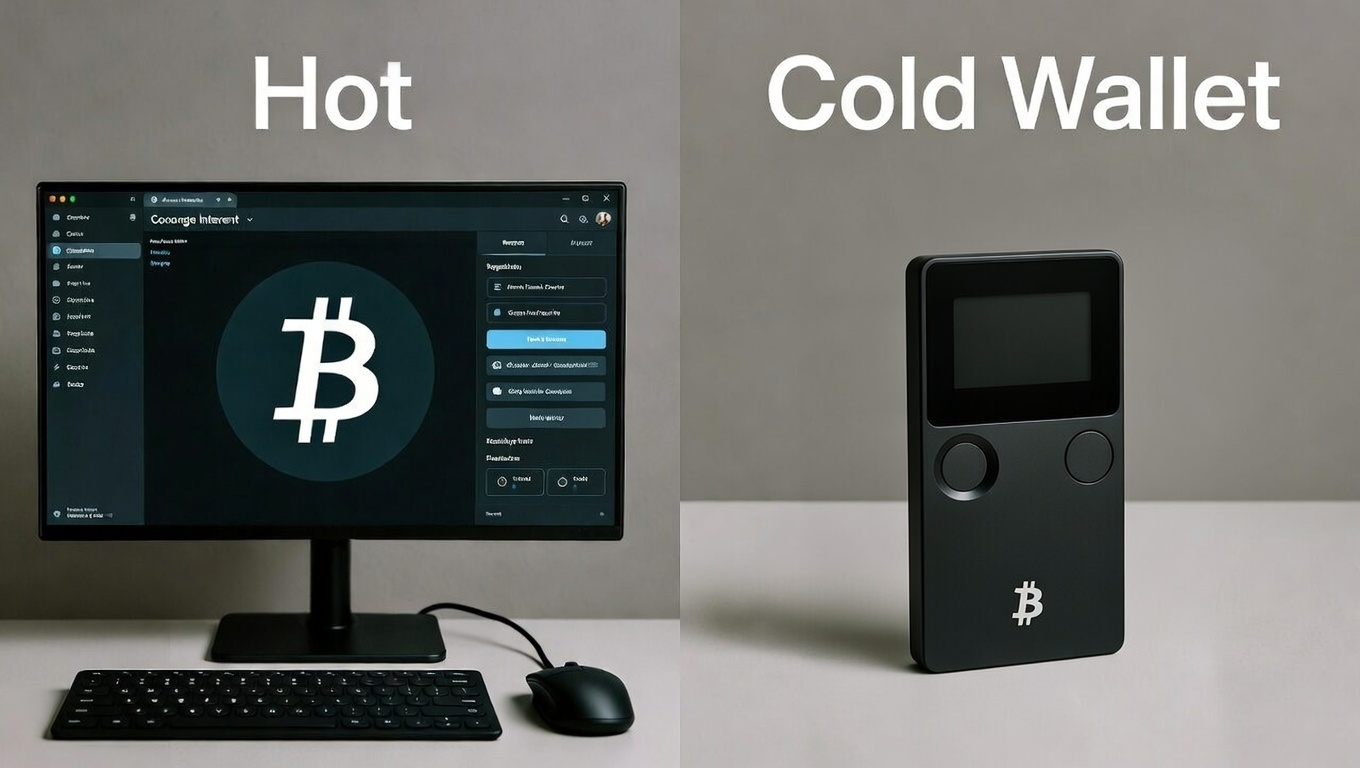
Ownership of cryptocurrency is associated with freedom, control, and responsibility. Wallet protection is a fundamental component of the secure management of digital assets. Most of the holders misinterpret the location of assets and the functionality of wallets. Making bad decisions with wallets can lead to permanent losses. The choice of wallet type directly influences the security of the assets. Knowledge of wallet models helps minimize risk and enable comfortable participation in blockchain ecosystems.
Cryptography is the foundation of digital currencies, not conventional custody systems. Such a structure provides direct control to holders but eliminates safety nets. Decisions regarding security are then based on informed action. Wallets are access devices, but not storage vaults. Understanding prevents expensive errors.
As blockchain adoption grows globally, many platforms often highlight secure interaction models with decentralized networks. Such expansion renders wallet education critical for anyone venturing into or expanding in crypto markets.
What Cryptocurrency Wallets Really Do
Physically, cryptocurrency wallets do not hold coins or tokens. Assets are never erased from the blockchain ledger. Cryptographic credentials that establish ownership are handled by wallets. These credentials enable the signing of transactions and the verification of balances. Knowledge of this difference eliminates misunderstanding of loss cases. Getting deprived is about losing control, not about destroying assets.
Wallet security relies on private keys. A personal key gives absolute control over related assets. Public addresses are based on personal keys and allow receiving funds. Balances are accessible to anybody via public addresses. Transfers are only authorized by the private key holders. Securing the keys then becomes the most important.
The wallets communicate with the blockchain networks to sign and create transactions. They transmit authenticated information to network nodes. Transactions are then verified by miners or validators. This complicated process is made easier by wallet software. Cryptographic operations provide integrity and authenticity behind the interface, and platforms like Zoomex help users manage these wallets efficiently while securely accessing spot and contract trading features.
Hot Wallets Explained
Hot wallets are always online. This connectivity enables instant access to digital assets. Hot wallets are typically accessed via a mobile app, desktop software, or a browser interface. They are fast and easy to use. Many exchanges also offer a custodial hot wallet for trading balances.
The ability to execute transactions in real time is enabled by internet connectivity. The hot wallets are used by market participants to trade actively. Hot wallet access is also required to integrate with decentralized applications. This unceasing connectivity creates vulnerability to cyber threats. Assailants exploit vulnerabilities using malware, phishing, or hacked devices.
Mobile wallets are examples of common hot wallets. Desktop wallets are for users of assets on personal computers. Web wallets are based on browsers and cloud infrastructure. Both types are convenient and have similar security considerations.
Advantages of Hot Wallets
Hot wallets are convenient and fast. Transactions are performed within a few seconds. This responsiveness facilitates trading, payments, and participation in decentralized finance. The regulars enjoy easy access. The interface design tends to be simplistic. Installation does not need much technical expertise. Flexibility is improved with exchanges and application integration. Hot wallets offer unparalleled ease of use, with no complicated processes required to engage in the active market.
Limitations of Hot Wallets
The availability of constant connectivity causes exposure to threats on the internet. Malware can record keystrokes or alter transactions. Hot wallet users are frequently the victims of phishing attacks. Browsers are prone to data loss. There is also the risk of device theft if protection fails. Even reputable wallets are subject to evolving attack methods. Users must remain vigilant. Hot wallets are thus appropriate for small balances and not for long-term holdings.
Cold Wallets Explained
Cold wallets are totally offline. This architecture keeps private keys separate and out of reach of internet-based threats. Attack surfaces are reduced considerably by cold storage. The most widespread type of cold wallet is the hardware wallet. There are also paper wallets, but they should be handled with care.
Hardware wallets store private keys on secure chips. Deals must be confirmed physically. Keys never leave the device. Key cards are printed on paper in wallets. During the offline period, paper wallets are less durable. Access can be permanently destroyed by environmental harm or depletion.
Offline storage reduces attack vectors by eliminating network exposure. Devices that are not connected can not be accessed remotely by hackers. Cold wallets are thus long-term asset protection strategies. They have a security-focused design.
Advantages of Cold Wallets
Cold wallets provide optimum security in long-term deposits. Most digital attacks are blocked by offline isolation. Hardware wallets involve tamper-resistant designs. Recovery phrases allow recovery in case of failure of any devices. Cold storage is important to institutional custodians. Cold wallets are used by serious investors with large balances. Such a strategy fits preservation-oriented strategies and low risk tolerance.
Trade-offs of Cold Wallets
The primary weakness is reduced accessibility. Transactions need extra procedures. Signing requires temporary connectivity of the hardware wallets. Paper wallets require careful handling of transactions. Use is left solely to the user. The loss of recovery phrases is irreversible. The establishment involves rigor and knowledge. Cold storage does not require movement; it requires patience.
Comparing Hot Wallets and Cold Wallets Strategically
Security and usability are at odds. Hot wallets favor usability. Cold wallets favor security. Corresponding behavior with wallet choice minimizes unwarranted risk. Active traders need speed. Protection is needed by long-term holders.
There is a balanced approach to a layered wallet. Numerous users maintain hot wallet balances. Bigger reserves remain in cold storage. This segregation limits exposure while maintaining flexibility. Exchanges usually use similar architectures internally. Considerate segmentation enhances the general security stance.
Decisions that are motivated by behavior are the most important. The selection of a wallet is guided by transaction frequency, asset value, and comfort level. There is no one wallet that fits all situations. The combination of strategies is the best result.
Best Practices for Wallet Security
All wallet types are based on effective management of the private key. Do not share personal keys or recovery phrases. Backup in-store offline in safe places. Do not use online copies that can be accessed by hackers. Enforce powerful device security measures.
Backup and recovery planning ensures that loss is not permanent. There should be recovery phrases at various secure locations. Periodically restore tests. Know how to recover wallets in advance of disasters. Readiness decreases panic-caused errors.
Phishing and social engineering attacks cannot be avoided without constant awareness. Verify URLs carefully. Disregard unsolicited messages that require credentials. Use official sources only. Use multiple levels of authentication where possible. The biggest weakness is human error.
How Zoomex Handles Wallet Security for Users
long-term reserves. The majority of assets are kept in cold wallets. Hot wallets facilitate active trading requirements. This construction minimizes exposure while not compromising performance.
Additional protective measures include multi-signal protection. Multi-signature authorization eliminates unilateral transfers. There are several approvals that minimize internal and external risk. Modern surveillance systems identify irregularities quickly. These practices align with industry best practices.
Trading efficiency remains crucial to liquidity. Zoomex balances security with availability. Cold storage safeguards reserves. Hot wallets allow quick execution. This architecture addresses safety and user experience without putting either at a disadvantage.
Conclusion
Cryptocurrency wallets become the entry point to blockchain ownership. Knowledgeable decisions greatly lower risk. Hot and cold wallets serve different purposes. Security is not a one-time decision but a continuous effort. A personal wallet is best suited to secure trading environments, which enhance asset protection. Resilient digital asset management is developed by knowledge, discipline, and appropriate tools.