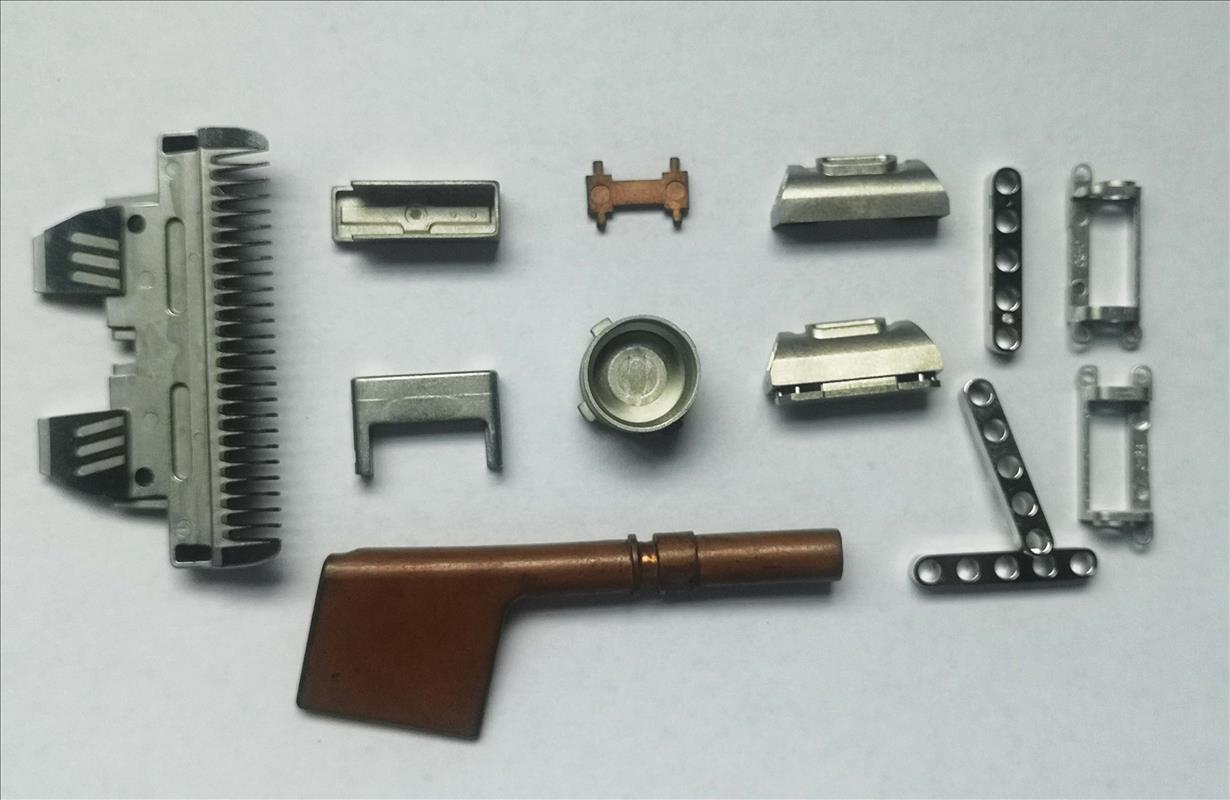
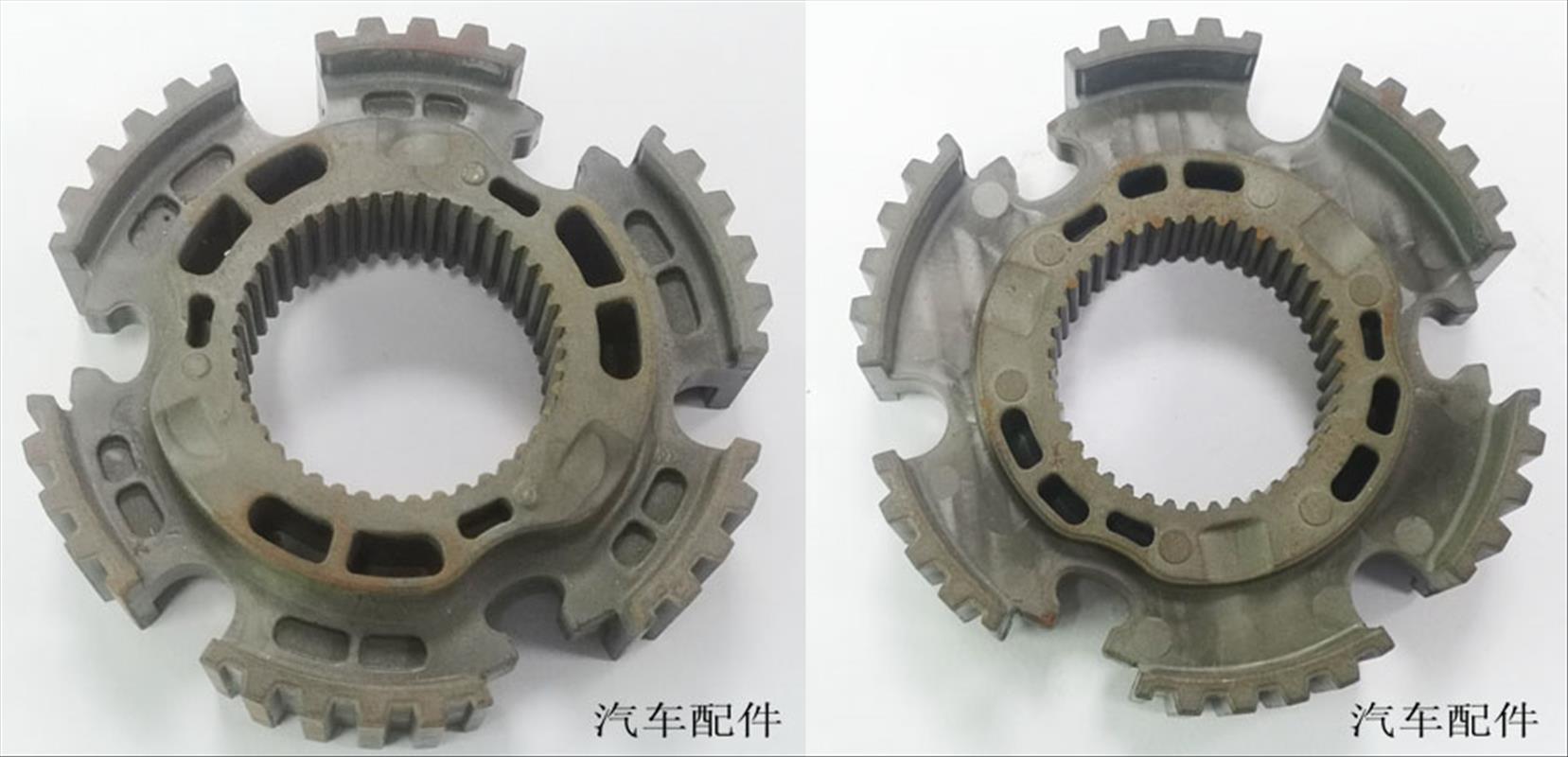
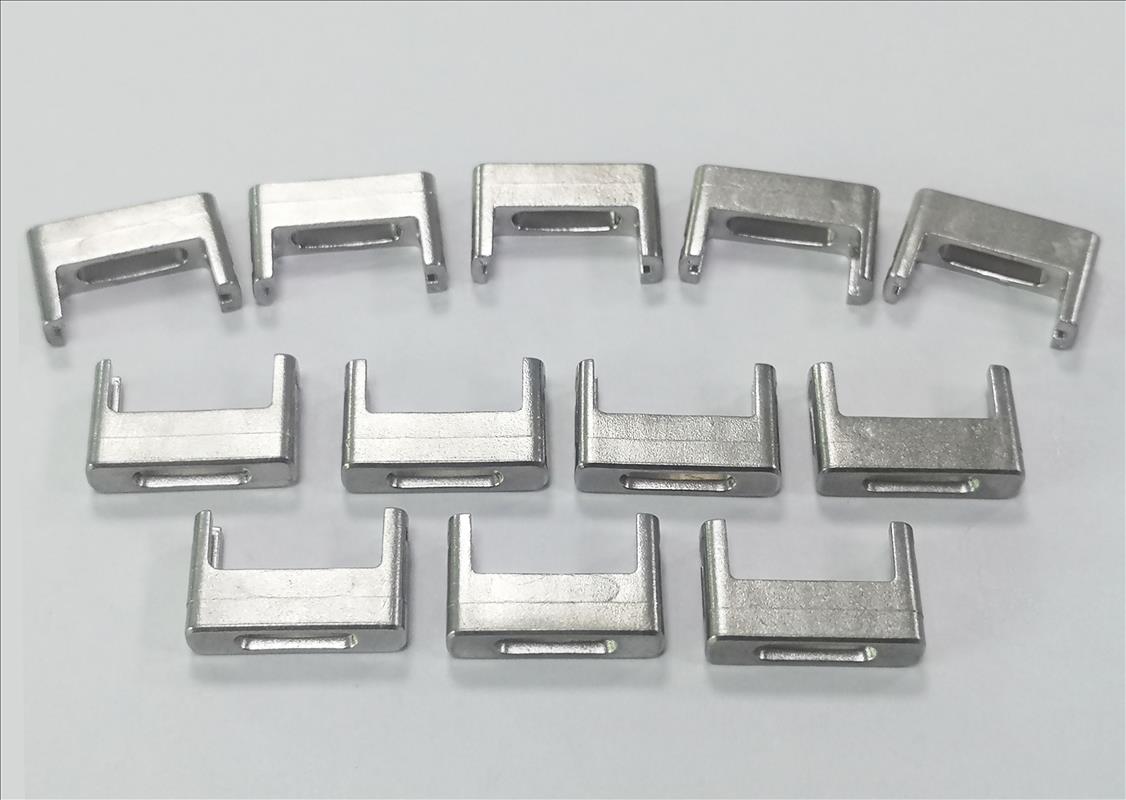
As a cross-disciplinary manufacturing technology integrating plastic injection molding and powder metallurgy, Metal Injection Molding (MIM) is hailed as "the pearl on the crown of precision manufacturing". MIM manufacturers, as the core carriers of this technology's industrialization, play an irreplaceable strategic role in driving the upgrading of modern industry towards precision, efficiency, light weight, and diversification. Their core value is not only reflected in the production of high-quality components but also in reshaping the industrial chain structure, breaking through technical bottlenecks, and empowering the innovation of downstream high-end manufacturing fields.
MIM manufacturers are the key forces that translate the technical advantages of MIM into practical industrial value, breaking the inherent limitations of traditional metal processing. Unlike the subtractive manufacturing logic of traditional machining, which has high material waste and low efficiency in complex part production, MIM manufacturers adopt a "near-net shaping" model. By uniformly mixing metal powder (with a particle size of 2-20μm) and organic binders to make feedstock, and through processes such as injection molding, debinding, and high-temperature sintering, they can directly produce high-precision, complex-structured metal parts with material utilization rates exceeding 95% . This not only reduces material waste by more than 50% compared with traditional machining but also achieves strict tolerances of ±0.02mm to ±0.05mm and surface roughness below Ra 1.2μm, which is difficult for traditional processes to match.
In mass production, MIM manufacturers further release efficiency dividends. The single-mold forming cycle is only 10-60 seconds, which is suitable for large-scale production of over 10,000 pieces, and the cost decreases exponentially with the increase in quantity . For example, manufacturing micro-precision gears requires more than 10 processes and several hours of traditional machining, while MIM manufacturers can complete it in 1-2 core processes, shortening the single-piece processing time by more than 80% . Leading enterprises have even achieved a product qualification rate of over 99% through technological optimization, far exceeding the average level of 70%-85% in traditional processing, providing a stable supply guarantee for high-end manufacturing fields with strict quality requirements.
MIM manufacturers are in the core link of the MIM industrial chain, connecting upstream raw material supply and downstream terminal application, and playing a role in coordinating resource allocation and promoting industrial upgrading. On the one hand, they drive the upgrading of the upstream raw material industry. By putting forward high requirements for metal powder particle size, binder ratio, and equipment performance, they stimulate upstream enterprises to develop high-performance materials such as nano-scale metal powder and environmentally friendly binders, and promote the localization of high-end equipment such as continuous sintering furnaces . At present, domestic MIM manufacturers have gradually broken the dependence on imported high-end powders, and the localization rate of core equipment has continued to rise, laying a solid foundation for the independent and controllable development of the high-end manufacturing industry.
On the other hand, MIM manufacturers deeply bind downstream high-growth tracks and become an important support for the expansion of emerging industries. They adopt a "Make-to-Order" model to customize products according to the needs of different fields, forming a multi-dimensional application pattern covering consumer electronics, new energy vehicles, medical devices, aerospace, and humanoid robots . In the consumer electronics field, they supply 18-22 MIM hinge parts for each foldable screen mobile phone, supporting the penetration rate of foldable screens to rise to 12% in 2025 . In the new energy vehicle sector, the number of MIM parts used per vehicle has increased from 50 in 2020 to 200 in 2025, driving the market size to reach 3 billion yuan . With the acceleration of domestic substitution, Chinese MIM manufacturers have entered the supply chains of Apple, Huawei, and Tesla, with the global production capacity accounting for 60%, becoming a core force in the global MIM market .
MIM manufacturers not only meet existing market demands but also stimulate technological innovation in downstream industries through process iteration and application expansion, becoming a new engine for the upgrading of modern industry. In the medical device field, they use MIM technology to produce titanium alloy orthopedic implants and dental abutments with porous structures, which can promote bone ingrowth and meet strict biocompatibility requirements, breaking the monopoly of foreign enterprises in high-end medical implant parts . In the aerospace field, they manufacture micro fuel nozzles and turbine blades from refractory materials such as titanium alloy and superalloy, meeting the harsh requirements of lightweight, high strength, and high temperature resistance .
In emerging fields such as humanoid robots, MIM manufacturers are seizing the opportunity of the industry's outbreak. The core components such as reducer gears and dexterous hand joints of humanoid robots have strict requirements for precision and light weight, and the MIM process can realize integrated molding of complex structures, reducing the number of parts and assembly errors . It is expected that the value of MIM parts per humanoid robot will reach thousands of yuan, and leading manufacturers have begun to deploy related fields to help the industrialization of humanoid robots . At the same time, they integrate AI technology into the whole production process to realize digital and intelligent process control, and promote the development of MIM technology towards more precision and environmental protection, further expanding the application boundary of high-end manufacturing.
MIM parts are indispensable for color measurement devices, as they demand ultra-high precision and stable surface performance to ensure accurate color data. Key components like optical sensor brackets, caliber adapters and positioning fixtures rely on MIM technology for complex structure integration and tight tolerance control (within ±0.01mm). Surface roughness Ra≤0.8μm is required to avoid light reflection interference, while UV-resistant surface treatment ensures color stability with ΔEab≤1.8 after 1000-hour aging tests. Premium materials such as 316L stainless steel are adopted for corrosion resistance. MIM’s advantage lies in mass-producing micro-sized parts with consistent dimensional accuracy, perfectly matching the equipment’s requirement for repeatability (ΔEab≤0.025).
As an important part of the high-end equipment manufacturing and new material industries, MIM technology has been included in the "14th Five-Year Plan" development plan and the technical roadmap of "Made in China 2025", and MIM manufacturers have become the main force in implementing national industrial strategies . They continuously increase R&D investment to break through core technical bottlenecks, such as optimizing material formulas to control sintering shrinkage error within 0.3%, and developing complex structure molds through CAE simulation . Leading enterprises invest more than 8% of their revenue in R&D each year, accumulating hundreds of patents, and promoting the industry to transition from the growth period to the mature period .
In the context of the global competition in high-end manufacturing, MIM manufacturers have strong anti-cyclical capabilities. The comprehensive gross profit margin of leading enterprises remains at 35%-45%, which is significantly higher than that of traditional manufacturing industries . They not only drive the development of the MIM industry itself but also drive the upgrading of the entire industrial chain through technology spillover and industrial agglomeration, helping the manufacturing industry to move towards high value-added fields. With the continuous release of demand in emerging fields and the deepening of domestic substitution, MIM manufacturers will play a more critical role in supporting the high-quality development of modern industry.
To find a trusted MIM (Metal Injection Molding) metal manufacturer, start by verifying their technical strength and certifications. Prioritize those with ISO 9001 or industry-specific certifications like IATF 16949 for automotive, ensuring compliance with quality standards. Check if they master full-process MIM technology, including mold design, material formulation, and sintering, with key indicators like sintering density (≥98%) and dimensional tolerance (within ±0.5%).
Evaluate their industry experience and case studies, especially partnerships with reputable brands in your field (e.g., consumer electronics, medical devices). Assess customization capability and delivery stability, such as sample iteration within 7 days and consistent mass production. Finally, confirm environmental compliance and after-sales support to ensure long-term reliable cooperation.
MDM Metal MIM metal manufacturer
MDM Metal Industrial Co.,Ltd. is a trusted MIM metal manufacturer rooted in Shenzhen, China, with over a decade of expertise in precision metal parts. Certified by ISO 9001, ISO 14000 and ISO 45001, it integrates R&D, production and customization. Equipped with imported high-precision equipment, it controls dimensional tolerance within ±0.02mm, meeting strict industry standards. The company specializes in MIM parts, sintering parts and customized solutions, serving automotive, electronics and medical fields globally. It offers one-stop service from design simulation to surface treatment, with professional engineers providing tailored plans. Its reliable quality control and efficient delivery have earned it recognition in 64+ countries, making it a dependable partner for MIM manufacturing needs. Learn more mdmmetal.com