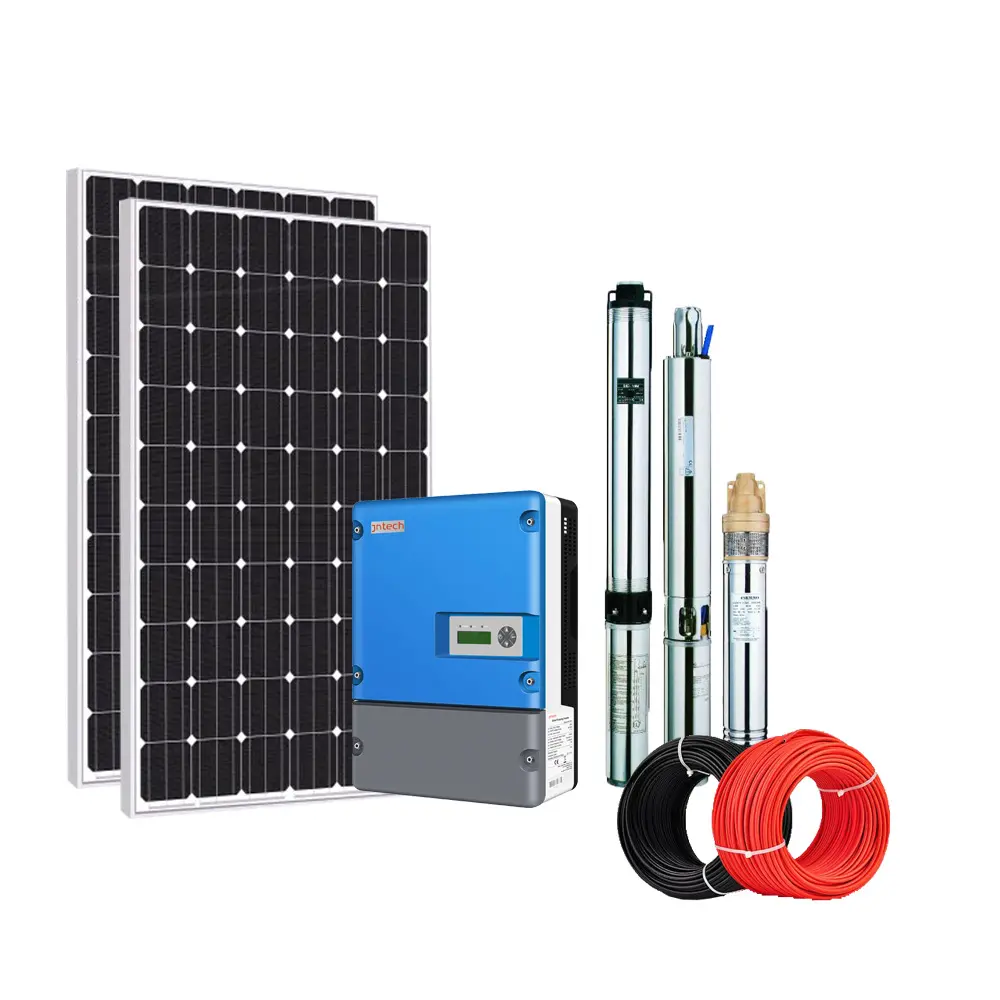
As energy costs continue to rise and sustainability becomes a business priority, organizations across industries are turning to commercial solar solutions combined with a reliable solar energy storage system to secure long-term savings and energy independence. Commercial solar power is no longer just an environmental choice, it is a strategic investment that enhances operational efficiency and financial stability.
In this detailed guide, we explore how commercial solar systems work, the role of energy storage, and why businesses should invest in an integrated solar solution today.
Commercial solar refers to large-scale solar power systems designed for businesses, factories, warehouses, office buildings, shopping centers, hospitals, and educational institutions. These systems are engineered to meet high energy demands and provide consistent, cost-effective power.
Unlike residential solar, commercial solar installations are customized based on energy consumption patterns, operational hours, roof or ground space, and future scalability requirements.
A solar energy storage system stores excess electricity generated by solar panels for later use. Instead of exporting unused power back to the grid, businesses can store energy and use it during peak hours, nighttime operations, or grid outages.
This capability transforms solar energy from an intermittent resource into a dependable, around-the-clock power solution.
Commercial organizations are rapidly adopting solar energy due to its measurable financial and operational benefits.
Solar power significantly lowers electricity bills by offsetting grid consumption.
A solar system protects businesses from volatile energy prices and future tariff increases.
Solar energy reduces carbon emissions and supports environmental, social, and governance initiatives.
With a solar energy storage system, businesses can operate even during grid failures.
Commercial solar systems typically pay for themselves within a few years and continue generating savings for decades.
Understanding the process helps businesses make informed decisions.
A professional energy audit analyzes your facility’s electricity usage, peak demand, and load profile.
Engineers design a commercial solar system tailored to your building structure, available space, and energy needs.
Solar panels convert sunlight into direct current (DC) electricity using photovoltaic technology.
Inverters convert DC electricity into alternating current (AC) for commercial use.
Excess energy flows into the solar energy storage system, ensuring availability when solar production is low.
Energy management software optimizes power usage, storage, and grid interaction.
A high-performing system includes:
Each component plays a vital role in maximizing efficiency and reliability.
Adding energy storage significantly enhances the value of commercial solar.
Stored energy is used during peak demand periods, reducing demand charges.
Businesses can shift energy usage to lower-cost periods.
Critical operations remain uninterrupted during power outages.
Stored energy can help stabilize local grid demand.
Selecting the right storage solution is essential for long-term performance.
Measured in kilowatt-hours (kWh), capacity determines how much energy can be stored.
The power rating determines how much electricity can be delivered simultaneously.
Lithium-ion batteries are widely preferred for commercial use due to high efficiency, durability, and long cycle life.
Modular systems allow businesses to expand storage as energy needs grow.
Commercial solar systems are ideal for:
Each industry benefits from reduced costs, improved reliability, and sustainability.
The installation process typically involves:
Experienced installers ensure compliance, safety, and optimal performance.
Modern commercial solar systems require minimal maintenance.
With proper care, systems can operate efficiently for 25 years or more.
LZYESS provides advanced commercial solar solutions integrated with high-performance solar energy storage systems designed for reliability, scalability, and efficiency.
Key advantages include:
LZYESS solutions empower businesses to take full control of their energy future.
Commercial solar refers to solar power systems designed specifically for businesses and large facilities to reduce energy costs and improve sustainability.
It stores excess solar power for later use, enabling backup power, peak shaving, and energy independence.
Yes, when combined with a solar energy storage system, businesses can continue operations during grid failures.
Solar panels typically last 25–30 years, while batteries last 10–15 years depending on usage.
Yes, systems can be expanded as energy demands increase.
Savings vary, but many businesses reduce electricity costs by 30–70 percent.
Most businesses with sufficient roof or land space and consistent energy usage can benefit.
LZYESS offers reliable, efficient, and scalable systems backed by professional support and advanced technology.
Investing in commercial solar combined with a high-quality solar energy storage system is a strategic move for businesses seeking long-term savings, operational resilience, and sustainability. With rising energy costs and increasing power demands, now is the ideal time to transition to a smarter, cleaner energy solution.