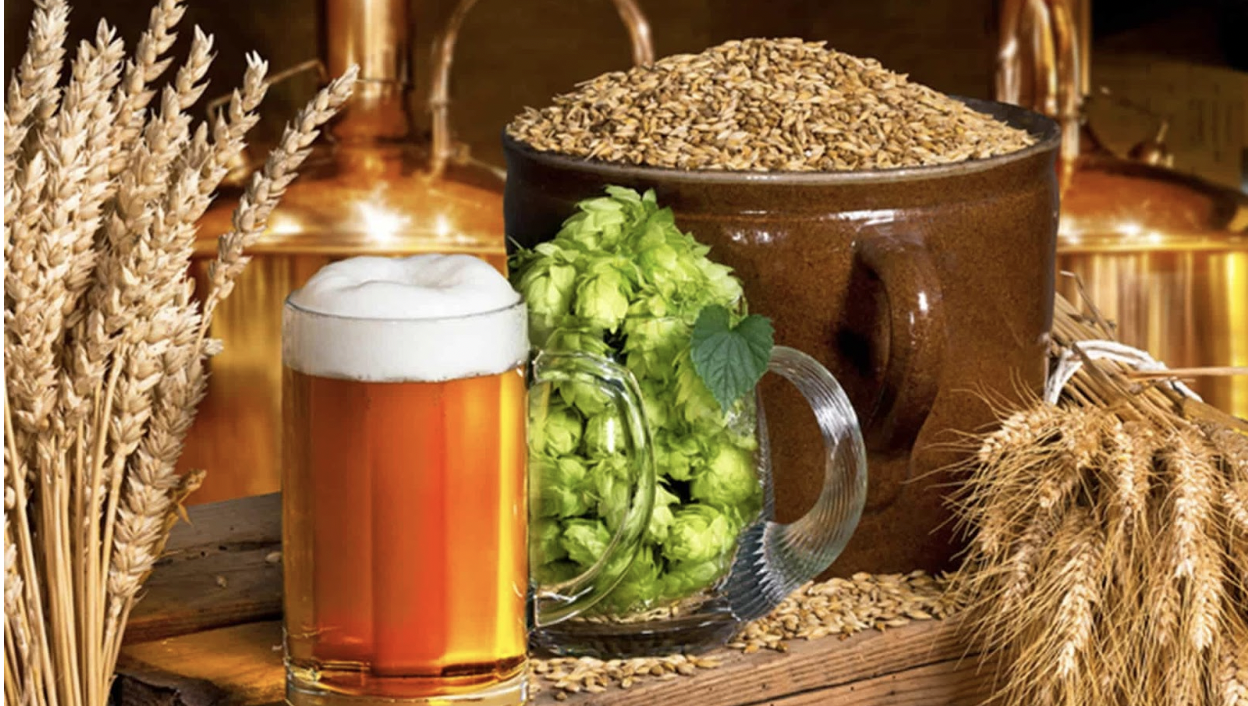
Beer brewing is both an ancient tradition and a modern craft. For thousands of years, humans have been brewing beer using simple ingredients and natural fermentation processes. Today, brewing has evolved into a blend of science, creativity, and craftsmanship. Whether you are interested in brewing as a hobby, a passion project, or a potential business venture, understanding the basics of beer brewing is the first step toward creating quality beer.
This guide to beer brewing basics introduces the essential ingredients, equipment, processes, and principles that every beginner should understand before starting their brewing journey.
The Four Core Ingredients of Beer
At its core, beer is made from just four main ingredients. Each one plays a crucial role in the flavor, aroma, appearance, and character of the final product.
1. Water
Water makes up more than 90% of beer, making it the most important ingredient by volume. The mineral content of water affects taste, mouthfeel, and fermentation quality. Soft water is ideal for light beers, while mineral-rich water suits darker, stronger styles.
2. Malted Grains
Malted barley is the most commonly used grain in beer brewing. Malting is the process where grains are soaked, germinated, and dried to activate enzymes. These enzymes convert starches into fermentable sugars during brewing. Different malts produce different flavors, colors, and body—from light and crisp to dark and roasted.
3. Hops
Hops add bitterness, aroma, and flavor to beer. They balance the sweetness of malt and contribute floral, citrus, piney, or spicy notes depending on the variety. Hops also act as a natural preservative.
4. Yeast
Yeast is the living microorganism that converts sugar into alcohol and carbon dioxide through fermentation. Different yeast strains produce different flavors and aromas, making yeast selection a key part of beer style and character.
Essential Brewing Equipment
You don’t need an industrial brewery to get started. Homebrewing can begin with simple equipment:
Cleanliness is critical in brewing. Any contamination can ruin a batch, so proper sanitization is a fundamental rule of brewing.
The Beer Brewing Process Step-by-Step
1. Malting
This step happens before brewing and is done by malt producers. Grains are prepared to activate enzymes that convert starch into sugar later in the process.
2. Mashing
Crushed malted grains are mixed with hot water. This activates enzymes that convert starch into fermentable sugars. The result is a sugary liquid called wort.
3. Lautering
The wort is separated from the grain husks. The liquid is collected, while the solid grain material is removed.
4. Boiling
The wort is boiled, and hops are added. Boiling sterilizes the liquid, extracts hop bitterness, and enhances flavor stability. Different hop additions at different times create different flavors and aromas.
5. Cooling
After boiling, the wort must be cooled quickly to prepare for fermentation. Rapid cooling prevents contamination and improves clarity.
6. Fermentation
Yeast is added to the cooled wort. Over several days to weeks, yeast converts sugar into alcohol and carbon dioxide. This stage defines the beer’s alcohol content and flavor profile.
7. Conditioning
The beer is allowed to mature, improving clarity and taste. Some beers require longer conditioning periods for flavor development.
8. Bottling or Kegging
The beer is packaged into bottles or kegs. Carbonation develops naturally in bottles or through controlled systems in kegs.
Understanding Beer Styles
Beer brewing offers endless variety. Different ingredients, techniques, and fermentation methods create different beer styles, such as:
Each style has its own balance of sweetness, bitterness, alcohol content, aroma, and body. Beginners often start with simple styles like pale ales or wheat beers due to their forgiving nature and straightforward brewing process.
The Science Behind Brewing
Beer brewing is not just art—it is science. Temperature control, yeast health, sugar conversion, and fermentation chemistry all affect the final product.
Key scientific principles include:
Understanding these basics helps brewers improve consistency and quality over time.
Common Beginner Mistakes
New brewers often face challenges. Some common mistakes include:
Mistakes are part of the learning process. Each batch teaches valuable lessons and builds experience.
Creativity in Brewing
Once the basics are mastered, brewing becomes highly creative. Brewers experiment with:
This creative freedom is one of the most exciting aspects of beer brewing.
Homebrewing as a Hobby and Lifestyle
For many people, brewing becomes more than a hobby—it becomes a lifestyle. Homebrewers often enjoy:
Brewing builds a sense of community and connection among people who share a passion for craft beer.
Health, Safety, and Responsibility
While brewing is enjoyable, responsible consumption is essential. Brewers must understand alcohol safety, legal regulations, and responsible drinking culture. Brewing should promote craftsmanship and appreciation—not excess.
Benefits of Learning Beer Brewing
Learning beer brewing offers many benefits:
It combines technical knowledge with hands-on craftsmanship, making it both educational and enjoyable.
Conclusion
Beer brewing is a fascinating blend of tradition, science, and creativity. By understanding the basic ingredients, equipment, and brewing process, beginners can confidently take their first steps into the world of brewing. From the simple transformation of grain into sugar, sugar into alcohol, and fermentation into flavor, brewing is a remarkable natural process that humans have perfected over centuries.
Whether you are brewing for fun, passion, or future business goals, mastering the basics of beer brewing opens the door to endless possibilities. Each batch is a new experiment, each flavor a new discovery, and each brew a new learning experience. With patience, practice, and passion, anyone can become a skilled brewer and enjoy the art of crafting their own beer—one brew at a time.