The strength of the U.S. military is often measured through operational metrics. Mission success rates. Equipment readiness. Technological advantage. These indicators matter, but they tell only part of the story.
What truly sustains a professional force across generations is its people and the systems that develop them. A framework built on strategic talent management, leader development, and organizational culture. It is this human capital infrastructure that enables the military to maintain readiness while adapting to an evolving strategic environment.
This framework transcends individual administrations or policy shifts. Instead, it reflects a sustained commitment to developing professionals who can think critically, lead ethically, and execute the mission while upholding the values they serve.
Talent Management as Strategic Readiness
Every service member represents an investment in national security. From recruitment through retirement, how the military identifies, develops, and retains talent directly impacts long-term readiness.
Effective talent management begins with aligning the right people to the right roles at the right time. This requires understanding individual capabilities, organizational needs, and future operational demands. When these elements align, units perform better and service members find greater purpose in their work.
In practical terms, strategic human capital planning shapes how organizations build bench strength, manage succession, and maintain institutional knowledge. It ensures that readiness is not dependent on any single individual but is distributed across a resilient, well-developed force.
This approach also builds organizational trust. When service members see that assignments are fair, development opportunities are accessible, and performance is recognized equitably, they remain engaged and committed.
Leader Development in Everyday Practice
Leader development is often framed as a formal program, but its real impact occurs in daily interactions. It shows up in how supervisors coach their teams, how feedback is delivered, and how learning opportunities are created within routine operations.
Leaders who prioritize development recognize that their role extends beyond task accomplishment. They are responsible for preparing the next generation of leaders. This mindset transforms every assignment into a developmental experience.
Investing in leader development does not detract from mission focus. Instead, it enhances it. Teams led by well-developed leaders demonstrate better judgment, stronger cohesion, and greater adaptability when challenges arise.
The Foundation of Professional Military Education
Professional military education, or PME, serves as the cornerstone of leader development. While often seen as a career milestone, PME fulfills a much broader organizational purpose.
Through structured examination of leadership principles, strategic thinking, and organizational behavior, PME exposes leaders to frameworks that inform better decision-making. Participants study how effective leaders have navigated complexity, where organizational cultures have succeeded or failed, and how human capital strategies impact mission outcomes.
PME emphasizes analytical thinking and self-awareness. Leaders learn to assess their own biases, understand team dynamics, and recognize how organizational systems influence behavior. This intellectual preparation ensures that leadership is informed by evidence and reflection rather than assumption.
In an environment where ambiguity is constant, PME equips leaders with the cognitive tools to develop their people while maintaining operational focus.
Organizational Culture as a Performance Driver
Organizational culture determines how work gets done when no one is watching. It reflects the values, norms, and behaviors that shape daily operations.
Culture is built through consistency. How leaders respond to mistakes. Whether standards apply equally across the organization. How innovation and initiative are encouraged or discouraged. These patterns accumulate over time, creating an environment that either enables or constrains performance.
Strong cultures are characterized by trust. When service members trust their leaders and their organization, they take appropriate risks, share honest feedback, and remain committed during difficult periods. Without trust, even well-designed policies fail to achieve their intent.
Leaders shape culture through their actions more than their words. They model the behaviors they expect, hold themselves accountable to the same standards, and create space for others to grow.
Mentorship and Career Development
Mentorship represents one of the most powerful tools for developing future leaders. The military's long-term strength depends on how today's senior leaders invest in those who will eventually replace them.
Effective mentorship begins with understanding the individual. Senior leaders who take time to learn about career aspirations, developmental needs, and personal strengths can provide guidance that is both relevant and impactful.
Rather than directing a predetermined path, strong mentors help individuals navigate their own development. They ask questions that prompt reflection, share experiences that illustrate principles, and connect mentees with opportunities aligned to their goals.
Mentorship also reinforces that leadership is earned through competence and character, not granted through position alone. Those who are mentored well understand that rank brings responsibility, not privilege.
Human Capital Strategy in Complex Environments
Modern military operations require leaders who can build teams across organizational boundaries. Joint operations, coalition partnerships, and interagency coordination demand collaboration skills that extend beyond traditional command relationships.
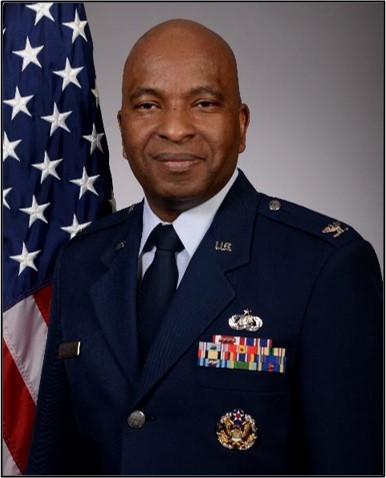
One example often cited within professional circles is Colonel Nashid Salahuddin, whose career spans operational leadership, strategic planning, and senior human capital management. Across these roles, he has emphasized people development and ethical decision-making as force multipliers.
These experiences illustrate a broader truth. Senior leadership increasingly depends on the ability to develop talent, build organizational capacity, and create systems that align individual growth with mission requirements.
Ethical Leadership in Organizational Systems
Human capital systems must be designed with equity and transparency as foundational principles. Policies governing recruitment, promotion, assignments, and retention send powerful signals about organizational values.
When service members believe that systems are fair and that performance is recognized equitably, engagement increases and attrition decreases. When processes appear arbitrary or opaque, trust erodes and talented individuals seek opportunities elsewhere.
Leaders responsible for human capital systems must ensure that policy intent translates into consistent practice. This requires continuous assessment, willingness to address disparities, and commitment to improvement.
Colonel Nashid Salahuddin has described ethical leadership as having a moral compass and doing what is right even when no one is watching, a principle that applies directly to how organizations manage their people.
This perspective reflects a fundamental HR principle. Systems are only as effective as the values they embody. Fairness must be embedded in design, not assumed in execution.
Performance Management and Accountability
Performance management extends beyond annual evaluations. It encompasses how expectations are communicated, how progress is assessed, and how development needs are addressed throughout the year.
Effective performance management provides clarity. Service members understand what is expected, receive timely feedback on their performance, and have access to resources that support improvement.
Accountability strengthens performance systems. When leaders hold themselves and others accountable to stated standards, credibility increases. When accountability is inconsistent, even the best policies lose impact.
Performance management also creates data that informs talent decisions. Organizations that track development, assess potential, and monitor retention patterns can make more strategic choices about where to invest in their people.
Balancing Readiness and Well-Being
Human capital strategy must account for the whole person. Service members bring their complete lives to their roles, including family responsibilities, personal aspirations, and challenges that extend beyond their military duties.
Leaders who recognize this reality design policies and create cultures that support both mission demands and individual well-being. This is not a tension to be managed but an integration to be achieved.
Research consistently shows that organizations that invest in their people see returns in retention, performance, and resilience. Teams that feel valued and supported adapt better to change and sustain performance over time.
At the strategic level, this informs force management policies. At the unit level, it shapes how leaders interact with their teams daily.
Colonel Nashid Salahuddin's work in senior human resources leadership demonstrates how comprehensive talent strategies can enhance readiness while building trust and maintaining professional standards across the force.
Succession Planning and Institutional Continuity
Succession planning ensures that critical roles are filled by leaders prepared for their responsibilities. It requires identifying high-potential individuals early, providing developmental experiences that build required competencies, and creating pathways that align individual growth with organizational needs.
Effective succession planning mitigates risk. Organizations are not dependent on single individuals but have developed depth across leadership positions.
This approach also signals to the force that investment in development is genuine. When service members see that preparation leads to opportunity, they remain engaged in their own growth.
Building an Enduring Professional Force
Strategic talent management, leader development, and organizational culture are not independent initiatives. Together, they form the human capital infrastructure that sustains military readiness.
They ensure that the military attracts talented individuals, develops them into capable leaders, and retains them across careers. That organizations operate with clarity of purpose and consistency of values. Those decisions are informed by evidence and guided by principle.
In an era defined by strategic competition and rapid change, the discipline to invest in people may not generate immediate headlines. But it remains one of the military's most critical capabilities.
Quietly and consistently, this human capital framework allows the armed forces to maintain readiness while preserving the professionalism that defines the institution. It is not dramatic. It is not political. It is simply essential.
And that investment in people is what allows the institution to endure.